
# U.S.%20Navy
Latest news and articles about U.S.%20Navy
Total: 55 articles found
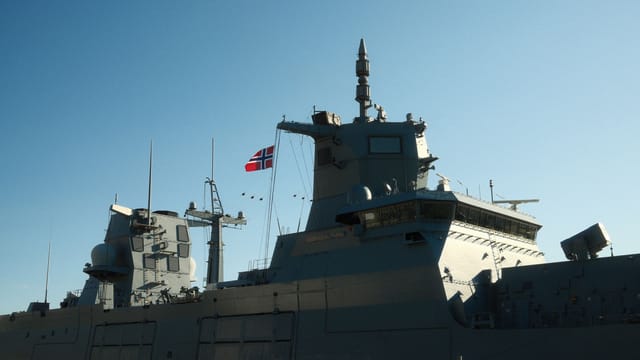
The Return of the Dreadnought: America’s 'Trump-class' Battleship and the New Era of Distributed Lethality
The U.S. Navy is planning a new 'Trump-class' battleship utilizing a distributed modular construction method across multiple domestic shipyards. This strategic pivot aims to resolve shipbuilding bottlenecks and introduce a more resilient, heavily armored surface combatant to the fleet.

The Glitch in the Narrative: Why a Retired Admiral’s Fox News Appearance Sparked Viral Paranoia
A Fox News interview with retired Vice Admiral Robert Harward went viral not for its content on Iran, but for conspiracy theories alleging he was wearing a mask. The incident highlights the growing public skepticism toward media authenticity in the age of deepfakes and digital manipulation.
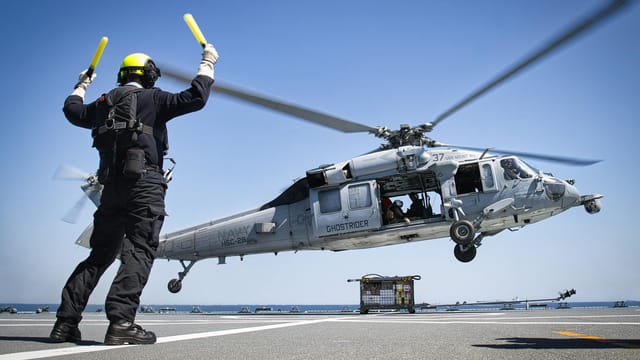
Hemispheric Posturing: The USS Nimitz Makes a Rare Turn Through the Caribbean
The USS Nimitz Carrier Strike Group's entry into the Caribbean marks a rare and significant deployment of a U.S. supercarrier to the Southern Command area. This maneuver highlights Washington's commitment to regional security and serves as a strategic reminder of American naval dominance in the Western Hemisphere.
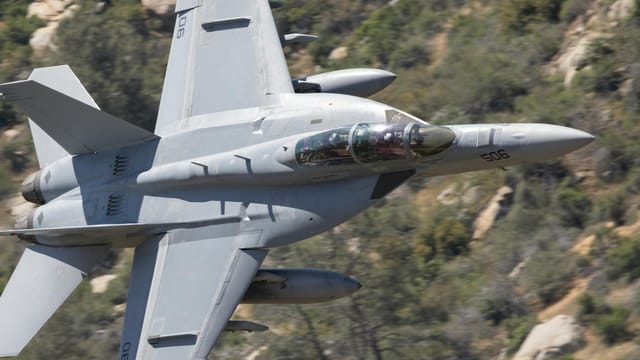
Electronic Warfare Risks: Navy 'Growler' Collision at Idaho Airshow Raises Readiness Concerns
Two U.S. Navy EA-18G Growler electronic warfare aircraft collided and crashed during an airshow at Mountain Home Air Force Base in Idaho. All crew members successfully ejected and are being evaluated, while the military begins an investigation into the cause of the high-value equipment loss.
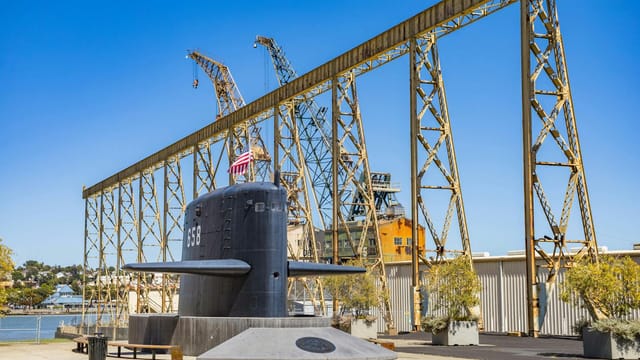
Signaling from the Depths: Why the U.S. Just Surfaced a Nuclear Submarine in Gibraltar
The U.S. Navy has made a rare public announcement regarding the arrival of an Ohio-class nuclear submarine in Gibraltar. This move is widely interpreted as a strategic signal to Iran and a show of force to NATO allies amid failing ceasefire negotiations.
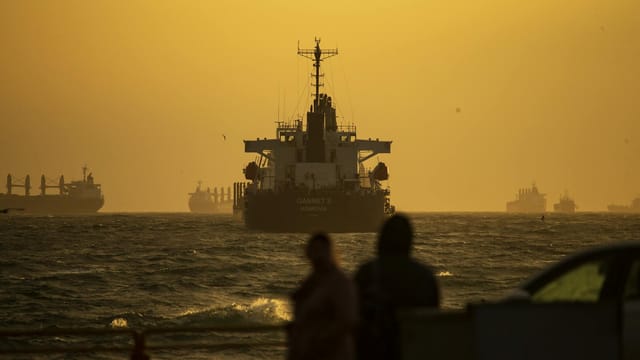
The Hormuz Gambit: Why America’s Three-Carrier Might Faces a Strategic Quagmire
A massive U.S. naval buildup in the Strait of Hormuz is being met with Iranian asymmetric tactics that exploit the geographic and political vulnerabilities of the American position. As domestic gas prices rise and critical political deadlines approach, the standoff is shifting from a military contest to a test of political and economic endurance.
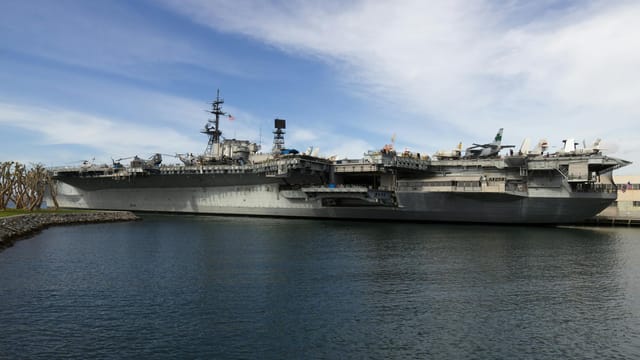
Pacific Sentinel: USS George Washington Returns to Sea Amid Regional Tensions
The nuclear-powered aircraft carrier USS George Washington has departed its homeport in Yokosuka, Japan, to begin sea trials following a maintenance period. This movement reaffirms the U.S. Navy's operational readiness and strategic commitment to the Indo-Pacific region.
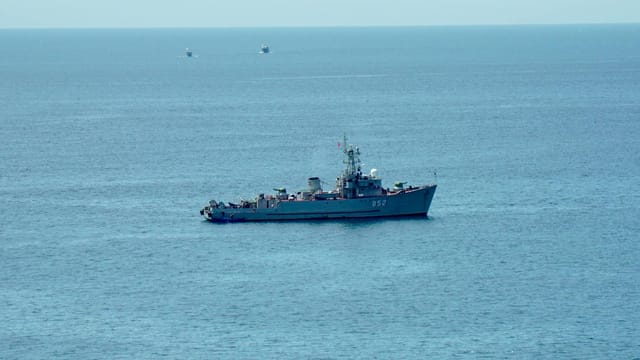
Brinkmanship in the Strait: IRGC Issues Direct Strike Warning to U.S. Regional Assets
The Iranian Revolutionary Guard Corps has issued a severe warning that any aggression toward Iranian vessels will result in strikes on U.S. targets. Tehran claims its drone and missile forces are already locked on targets and awaiting the order to engage.
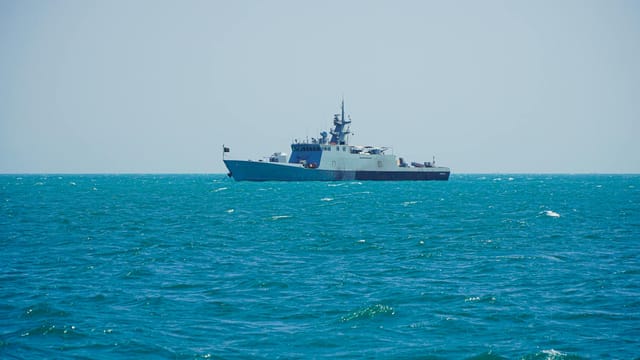
A New Order in the Strait: How a Tanker Attack Shifts Maritime Power Toward Beijing
An attack on a Chinese oil tanker in the Strait of Hormuz is being utilized by Beijing to challenge U.S. maritime dominance and Western financial control. By providing its own insurance and security frameworks, China is transitioning from a consumer of maritime safety to a primary arbiter of regional trade.
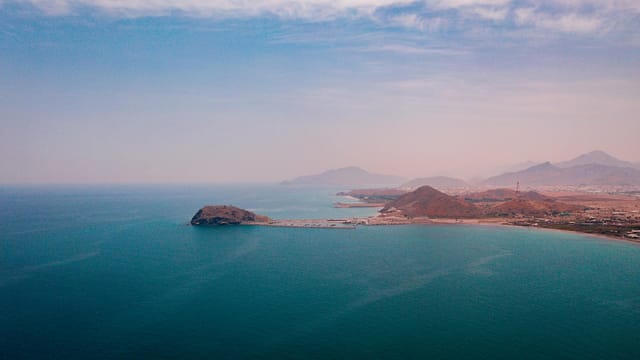
A Calculated Squeeze: Trump’s ‘Light Touch’ Strategy in the Persian Gulf Escalation
Following a sophisticated IRGC attack on U.S. warships, the Trump administration retaliated by bombing two major Iranian oil ports. Despite the escalation, both sides appear to be carefully calibrating their actions to avoid a full-scale war while maintaining a mutual blockade in the Strait of Hormuz.
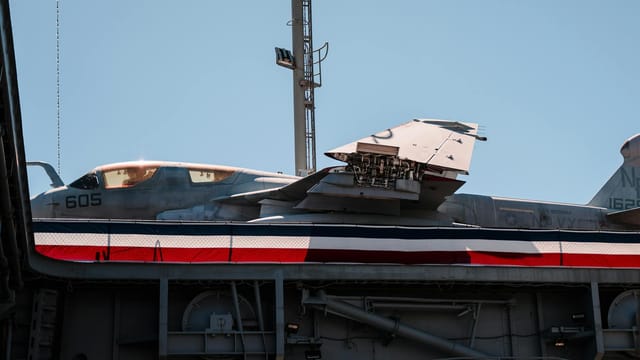
Rations and Readiness: The Hidden Toll of America’s Middle East Carrier Surge
Viral images of poor food quality on U.S. aircraft carriers have sparked concerns regarding the logistical strain of prolonged deployments in the Middle East. While the Navy denies shortages, the incident highlights the systemic fatigue and 'hidden costs' associated with maintaining a global maritime presence across multiple high-conflict theaters.
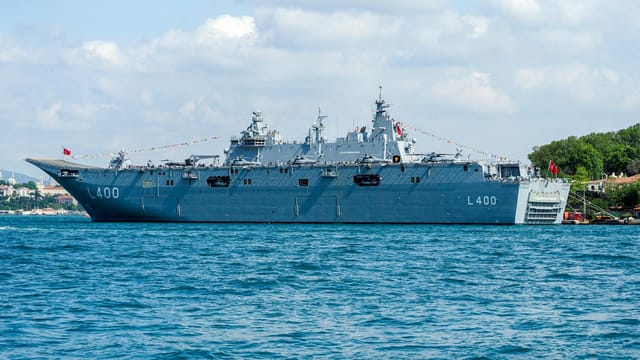
Tehran’s Visual Volley: Iran Escalates Maritime Brinkmanship with U.S. Destroyer Missile Footage
Iran has released footage of a missile launch targeting a U.S. destroyer, signaling a significant escalation in maritime tensions. The move serves as a strategic warning to Western forces and a domestic propaganda victory for Tehran.