
# U.S.-Iran%20Relations
Latest news and articles about U.S.-Iran%20Relations
Total: 58 articles found
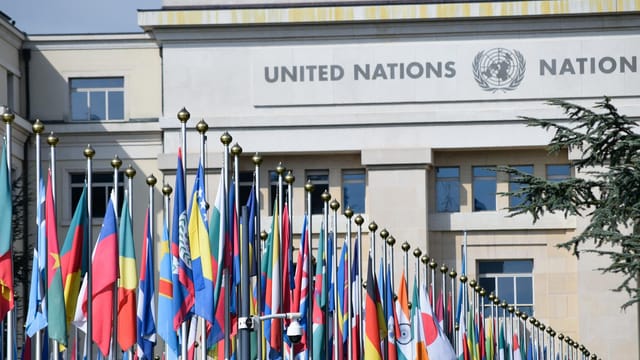
Diplomatic Gridlock and Border Alarms: The Fragile State of U.S.-Iran Relations
Negotiations between the United States and Iran have entered a period of uncertainty with the second round of talks currently unscheduled. In response to the growing regional tension, Pakistan has heightened its national security alert level to prepare for potential instability.
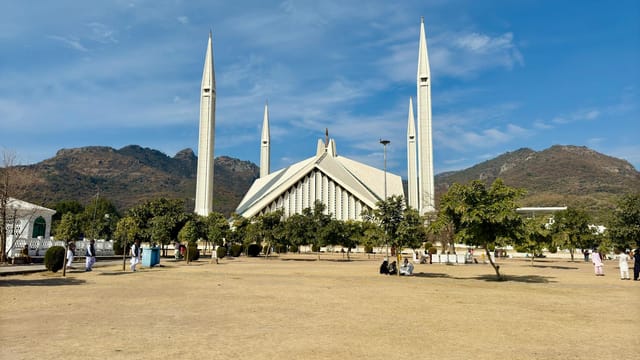
The Islamabad Conduit: Iran Designates Pakistan as the Sole Venue for U.S. Diplomacy
Iran has officially named Islamabad as the exclusive location for diplomatic negotiations with the United States, following a recent round of inconclusive but significant face-to-face talks. This move highlights Pakistan's emerging role as a critical mediator between the two adversaries, supported by high-level shuttle diplomacy from both the Pakistani government and military.

The Dual-Track Paradox: Washington and Tehran Pivot to a 'Fight While Talk' Doctrine
The U.S. and Iran appear poised to enter a new phase of negotiations defined by a 'fight-and-talk' strategy, where diplomatic efforts coexist with ongoing regional military and economic pressure. This model aims to manage friction rather than resolve it, as both nations seek to maintain leverage while avoiding a full-scale confrontation.

The Art of the Persian Deal: Washington and Tehran Edge Toward a Historic Framework Agreement
U.S. and Iranian negotiators are reportedly nearing a framework agreement to end their conflict, driven by a high-level American team including J.D. Vance and Jared Kushner. While Pakistan is playing a key role as a mediator, significant internal divisions in Tehran and disputes over 'red lines' still threaten the fragile progress. A ceasefire extension may be required to facilitate upcoming face-to-face talks.
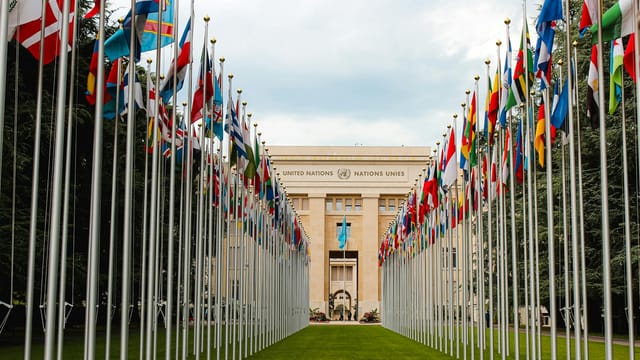
From Blockade to Brinkmanship: Trump Declares Iran War 'Over' as Diplomacy Shifts to Pakistan
President Trump has prematurely declared an end to hostilities with Iran despite a lack of formal agreement following failed talks on April 12. Negotiations are set to resume in Pakistan as the U.S. attempts to leverage regional diplomacy to finalize a deal amid a fragile ceasefire and continued tensions involving Israel and Lebanon.

Brinkmanship in Islamabad: Why the U.S.-Iran Ceasefire Faltered into a Naval Blockade
High-level negotiations in Islamabad between the U.S. and Iran have collapsed after only two days, leading the Trump administration to impose a naval blockade on Iranian ports. The failure stems from deep divisions over the inclusion of Lebanon in the ceasefire, control of the Strait of Hormuz, and the duration of future nuclear enrichment limits.

Digital Fog of War: Why Beijing is Debunking Rumors of a U.S. Invasion of Iran
Chinese state media has debunked viral social media footage claiming a massive U.S. military buildup near Iran, revealing the clips were actually from a 2023 California air show. The incident highlights the dangers of digital misinformation during sensitive ceasefire negotiations and marks an active effort by Beijing to manage regional narratives.

The Islamabad Impasse: Why 20 Hours of U.S.-Iran Talks Failed to Break the Cycle of Contempt
A high-stakes, 20-hour diplomatic marathon in Islamabad between U.S. and Iranian officials ended in deadlock due to a profound lack of mutual trust. Despite domestic pressures on the U.S. to stabilize oil prices, the two sides remain fundamentally divided over regional proxies, asset unfreezing, and military posture.
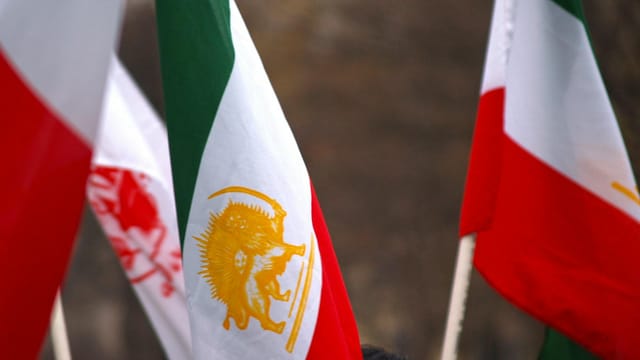
The Islamabad Gambit: Pezeshkian Pressures Washington Through Paris
Iranian President Pezeshkian told French President Macron that the success of the Islamabad negotiations depends on the U.S., while Macron called for an immediate ceasefire in Lebanon. The call highlights Iran's strategy of using European diplomacy to pressure Washington amid ongoing regional instability.

Standoff in the Strait: Tehran and Trump Clash Over Global Oil's Most Vital Chokepoint
Historic face-to-face negotiations between the U.S. and Iran in Islamabad have hit a stalemate over control of the Strait of Hormuz. While Iran demands transit fees and absolute control, the U.S. insists on joint management and is currently conducting mine-clearing operations in the region.
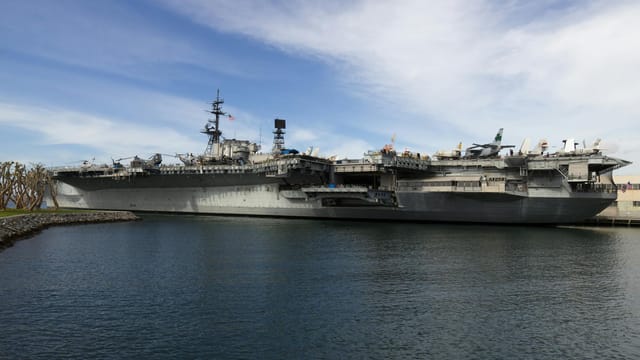
Carriers and Caravans: Washington’s Coercive Diplomacy Ahead of Islamabad Talks
The United States is deploying the USS George H.W. Bush carrier strike group to the Middle East as a strategic backdrop to upcoming diplomatic negotiations with Iran in Islamabad. This movement represents a classic application of coercive diplomacy, intended to maintain leverage and deter regional escalation while diplomatic channels are explored.
Brinkmanship in Islamabad: Trump’s ‘A-Team’ and Tehran’s Hardliners Square Off
High-level U.S. and Iranian delegations are meeting in Islamabad to negotiate a resolution to the Middle East crisis, facing deep divisions over nuclear enrichment rights and regional ceasefire terms. The talks are set against a backdrop of military threats and economic pressure from the Trump administration as a temporary ceasefire nears its expiration.