
# US%20Foreign%20Policy
Latest news and articles about US%20Foreign%20Policy
Total: 65 articles found

The Permanent Frontier: Israel Signals Long-Term Occupation of Southern Lebanon
Israeli Defense Minister Israel Katz has announced that the IDF will not withdraw from southern Lebanon's security zone, regardless of pressure from the United States. This decision blocks the return of 200,000 displaced Lebanese and threatens the stability of a fragile ceasefire while complicating US-led mediation efforts.
Trump’s Brinkmanship: A High-Stakes Ultimatum to Tehran over Lebanon
Donald Trump has issued a severe military threat to Iran, demanding an immediate end to its proxy activities in Lebanon. Citing a recent strike, he warned that failure to comply would result in even more forceful US military intervention.

Teetering on the Brink: Iran Blames Washington as a Fragile Lebanon Truce Takes Shape
Tehran has accused the United States of direct complicity in Israeli strikes against Lebanon, even as reports of a fragile ceasefire between Israel and Hezbollah begin to surface. While military operations may pause, Israel's insistence on maintaining a security zone in southern Lebanon suggests the underlying conflict remains far from a strategic resolution.

NATO 3.0: Washington Signals the End of the American Security Guarantee
U.S. Defense Secretary Pete Hegseth has signaled a major shift toward 'NATO 3.0,' demanding that European allies take the lead in their own defense as the U.S. prepares to reduce its military presence on the continent. The new strategy includes a massive 5% GDP spending target by 2035 and a scheduled drawdown of U.S. naval and air assets in Europe.

Trump’s 'Oil Peace': Why Economic Pragmatism Triumphed Over Escalation in Iran
President Trump defended his recent diplomatic agreement with Iran, claiming it was necessary to prevent a global recession caused by a potential closure of the Strait of Hormuz. While boasting of military success, the administration pivoted toward a memorandum of understanding to ensure the stability of global oil markets.

Jerusalem’s Defiance: Netanyahu Rejects Lebanon Provisions in Landmark US-Iran Accord
Prime Minister Benjamin Netanyahu has announced that Israel is not bound by the Lebanon-related clauses of the recent US-Iran agreement, confirming that the IDF will not withdraw from its current positions. This defiance highlights a major strategic gap between US diplomatic goals and Israeli security priorities, potentially undermining regional stabilization efforts.
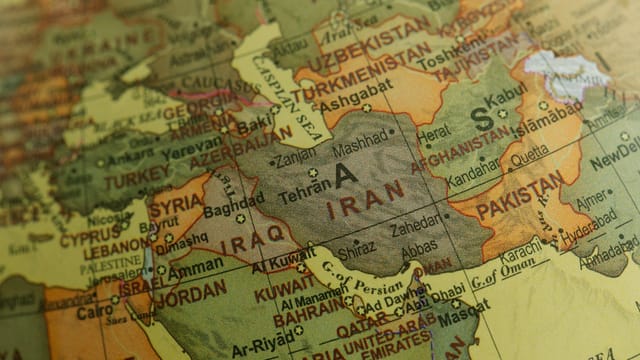
Defiance in the Levant: Israel Rejects US-Iran Framework on Lebanon
Prime Minister Netanyahu has declared that Israel is not bound by a US-Iran agreement regarding Lebanon, refusing to withdraw IDF troops from the northern border. The move highlights a major diplomatic rift with Washington and emphasizes Israel's preference for unilateral security measures over international diplomatic frameworks.
The Calculus of Constraint: Tehran’s Tactical De-escalation Amid Rising Stakes
Following a significant missile exchange on June 8, 2026, Iran has abruptly declared an end to its military operations against Israel. This strategic pause, influenced by US mediation, aims to prevent an all-out war that could threaten the survival of Iran's supreme leadership.

The Boy Who Cried Breakthrough: Trump’s Recurring Iran Promises Meet Domestic Discontent
President Trump has claimed for the 37th time that a deal with Iran is imminent, even as his approval rating hits a second-term low of 35%. The ongoing conflict and the resulting blockage of the Strait of Hormuz have caused US gas prices to spike, creating significant political and economic pressure on the administration.

Trump’s 'Peace for Prices' Ploy: Ending the Iran Conflict to Secure Midterm Gains
Donald Trump has pledged to rapidly conclude military engagement with Iran to combat high domestic prices ahead of the 2026 midterm elections. The strategy seeks to win over voters by linking foreign policy directly to consumer economic anxieties.

Trump Signals Iran Exit as Midterm Economic Pressures Mount
President Trump has pledged a rapid conclusion to the conflict with Iran, citing the need to lower domestic inflation and fertilizer costs ahead of the midterm elections. While claiming significant military success, he acknowledged that a formal deal remains pending but could be finalized shortly.
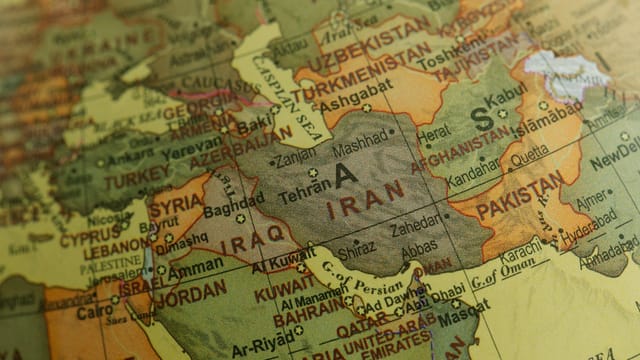
The Axis Tightens: Houthi Rhetoric Reinforces Iran’s Regional Shield
Yemen's Houthi rebels have issued a formal statement supporting Iran's right to defend its territory while criticizing Gulf nations for hosting US military bases. The group characterized Iran's military actions as essential for regional deterrence, specifically regarding the protection of Lebanon.