
# US%20Navy
Latest news and articles about US%20Navy
Total: 85 articles found

A Precarious Deterrence: US Carrier Abraham Lincoln Faces Growing Friction in the Arabian Sea
A sailor aboard the USS Abraham Lincoln was injured during operations in the Arabian Sea amid claims of missile attacks by Iranian forces. The carrier remains the centerpiece of U.S. deterrence against Iran, though frequent saturation attacks are forcing the strike group into a defensive posture.

Brinkmanship in the Gulf: Tehran Claims Missile Lock on USS Abraham Lincoln
Iran’s naval leadership has announced that the USS Abraham Lincoln is under constant missile surveillance and will be targeted if it enters strike range. Coupled with unverified claims of an actual missile launch, the statements represent a sharp escalation in Tehran’s efforts to challenge U.S. naval presence in the Persian Gulf and the Strait of Hormuz.
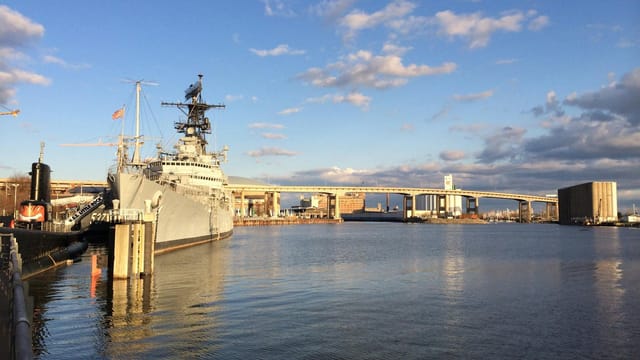
The Renhai-Class Ascendant: China’s Second Batch of Type 055 Destroyers Signals a Widening Naval Gap
The Chinese Navy has successfully transitioned into the second production batch of its Type 055 destroyers, highlighting a strategic rift between China's iterative naval growth and the United States' struggling procurement programs. As the DDG(X) remains a distant prospect for the U.S., the Renhai-class has established itself as a centerpiece of Chinese maritime deterrence.
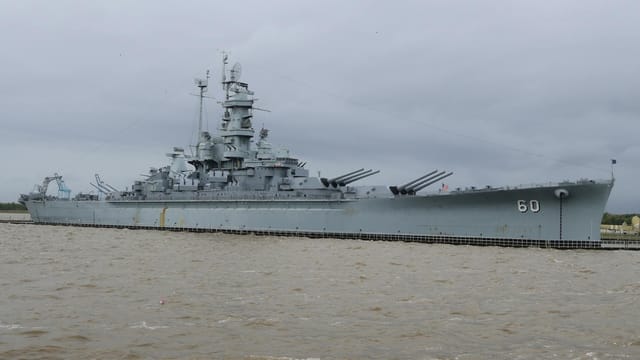
US Supercarrier Ford Heads to Crete for Repairs After Red Sea Fire, Underscoring Strain on Naval Presence
A fire aboard the U.S. aircraft carrier Gerald R. Ford on March 12 has forced the ship to dock at Souda Bay, Crete, for more than a week of repairs. The blaze injured three sailors, affected hundreds with smoke inhalation, and damaged dozens of compartments and sleeping berths, highlighting strains on carrier readiness after an extended 266-day deployment amid heightened regional tensions.

Strait Alert: How a Mine Threat Exposed Gaps in US Navy Mine‑Countermeasure Capability
A recent mining incident in the Strait of Hormuz exposed shortfalls in U.S. Navy mine‑countermeasure capabilities as ageing Avenger‑class minesweepers retire and unmanned systems remain few and largely unproven. The gap has operational and strategic consequences for freedom of navigation, energy markets, and allied confidence in Washington’s ability to keep key sea lanes open.

US Littoral Combat Ships in Malaysia Highlight a Middle East Mine‑Clearing Gap
Two US littoral combat ships have been sighted in Malaysia while the US shifts forces toward the Middle East, raising questions about available mine‑clearing capacity in CENTCOM’s region. The sighting underscores long‑standing limits in US mine‑countermeasure readiness and the strategic trade‑offs of competing demands across theaters.
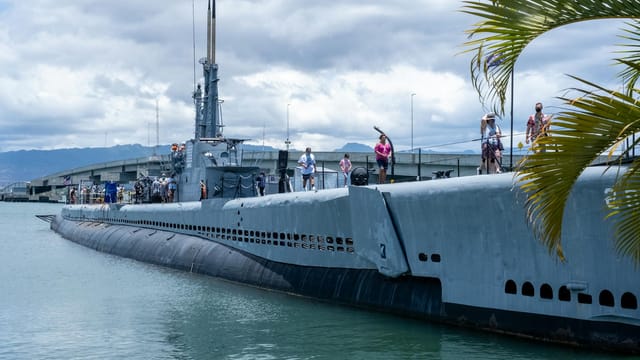
Fire Rages Aboard USS Gerald R. Ford for Over 30 Hours; Hundreds of Sailors Forced to Sleep on Floors Amid Extended Deployment
A laundry-room fire aboard the USS Gerald R. Ford burned for more than 30 hours before being controlled, damaging berthing areas and forcing over 600 sailors to sleep on floors and tables. The incident comes during an extended tenth month of deployment in the Red Sea and raises questions about strain on the carrier, crew welfare, and U.S. naval readiness.

A Risky Grab: Why a US Seizure of Kharg Island Could Deepen the Iran Conflict
The US movement of amphibious forces toward the Persian Gulf and discussions about seizing Kharg Island highlight a fraught strategic choice: a capture could disrupt Iran’s oil exports but would expose US forces to mines, missiles and drones and risk widening the conflict. Military analysts warn that holding Kharg would be difficult and costly, with broad implications for energy markets and regional stability.
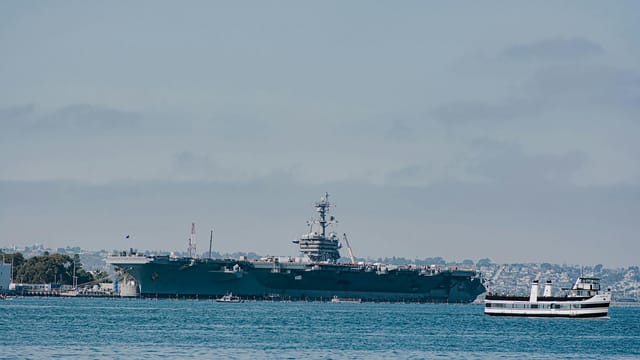
US Keeps Aging Carrier USS Nimitz in Service as Tensions with Iran Persist
The US Navy has extended the service life of the aircraft carrier USS Nimitz until March 2027, about ten months longer than planned. The decision preserves carrier presence during a period of heightened tensions with Iran but underscores strains in fleet management and modernization schedules.
Hormuz Choked: Shipping Collapses as ‘Shadow Fleet’ Fills Void After Strikes on Iran
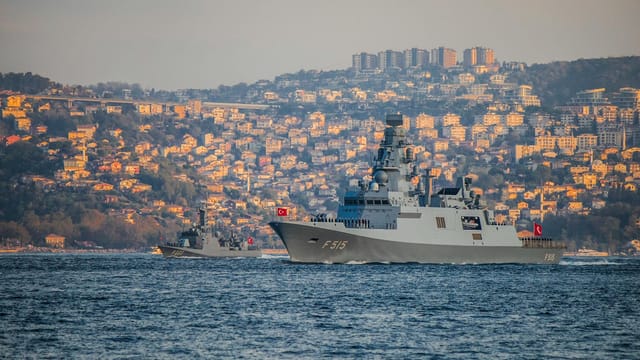
Transit through the Strait of Hormuz has collapsed in early March amid US–Israeli strikes on Iran, with just 77 vessels passing versus 1,229 last year. Most remaining transits involve ageing, uninsured ships linked to a "shadow fleet," raising energy-market risk and complicating sanctions enforcement and naval protection efforts.
Fire Aboard USS Gerald R. Ford in Red Sea Briefly Disrupts Carrier While on Iran-Linked Mission
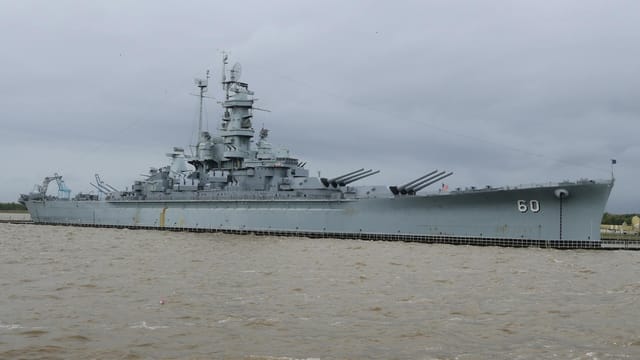
A laundry fire aboard the USS Gerald R. Ford in the Red Sea on 12 March was contained and left the carrier’s propulsion intact, but two sailors were injured and are being treated. The ship remains on station supporting operations related to Iran, and the incident spotlights readiness and reliability questions surrounding the high-profile Ford-class program.

Strait of Tensions: How China Weathered an Iran-Driven Oil Shock as Trump Seeks Credit
Despite rising attacks around the Strait of Hormuz, Chinese oil imports have largely continued, with roughly 11.7 million barrels of Iranian crude reported to have reached China after late February. The episode exposed limits to U.S. naval power in the narrow waterway, underscored China’s strategic energy buffers and left global markets braced for prolonged price volatility.