
# energy%20security
Latest news and articles about energy%20security
Total: 63 articles found
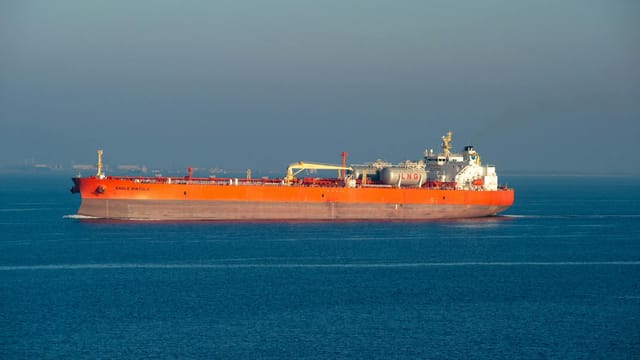
Four Hundred Million Barrels and Counting: Strategic Reserves Fail to Douse the Strait of Hormuz Crisis
Attacks on merchant vessels and threats to close the Strait of Hormuz have prompted an unprecedented coordinated release of 400 million barrels of strategic oil stocks, yet markets remain volatile. The incident exposes the limits of stock releases as a remedy and highlights the deeper intertwining of energy security and geopolitics, with implications for long-term market structure and energy transition.

Beijing Urges Restraint as Gulf Drone Attacks Threaten Asian Oil Shipments
China expressed deep concern over rising Middle East tensions, condemning indiscriminate attacks on civilians and non-military targets and urging an immediate halt to military actions and a return to dialogue. The statement follows Saudi claims that dozens of Iranian drones targeted tankers bound for Asian markets, highlighting risks to energy supplies and global trade.

China Steps Into the Fray: Shuttling Diplomacy Amid an Escalating Iran–Israel–US Clash
China has ramped up shuttle diplomacy as a widening Iran–Israel–US conflict drives humanitarian suffering and market shocks. Beijing’s ties across the region give it leverage to mediate, but domestic politics in Washington, Iran’s internal cohesion, the effectiveness of multilateral mediation and control of the Strait of Hormuz will determine whether de‑escalation is possible.

From “Short Strike” to Shore Landings: Signs the U.S. May Be Planning to Seize Iranian Gulf Islands
Public U.S. rhetoric about a short air campaign against Iran sits uneasily with military movements and warnings that suggest planning for amphibious or ground operations aimed at Iranian Gulf islands. Kharg Island, Iran’s main oil export hub, has emerged as a likely strategic target; its seizure would have major implications for energy markets and regional stability. If Washington moves from strikes to landings, the conflict risks becoming prolonged and much more disruptive to global shipping and supplies.

Panic Buying in India: Households Flock to Induction Stoves as LPG Fears Rise
Indian consumers are buying induction stoves and electric cookers en masse amid fears that Middle East conflict will disrupt LPG imports. The rush has caused stockouts online and strains on supplies for commercial users, raising broader questions about energy security, grid capacity and inequality.

Largest Ever SPR Release Fails to Calm Markets as Hormuz Risk Sends Oil Back Above $90
A coordinated release of 400 million barrels from IEA member strategic reserves failed to arrest a sharp rise in oil prices as renewed threats from Iran over the Strait of Hormuz injected a large risk premium. The IEA has downgraded its supply-growth forecast, and analysts warn that reserves can only delay, not replace, lost production while shipping through Hormuz remains at risk.

Largest Ever IEA Oil Release Fails to Calm Markets as Iran Threatens Strait of Hormuz and Japan Acts Alone
The IEA coordinated release of 400 million barrels — the largest ever — failed to reassure markets after renewed tensions over the Strait of Hormuz. Iran says it will allow some vessels transit but threatens to use the strait as leverage, while Japan has unilaterally released reserves, highlighting acute supply anxieties and limits to reserve deployments.

China’s Shuttle Diplomacy Intensifies as Four Variables Threaten to Deepen Middle East Crisis
As US-Israel strikes on Iran continue and Tehran expands retaliatory operations, China has intensified shuttle diplomacy to press for de-escalation. Four variables — oil-market shock, Iranian internal cohesion, the success of external mediation, and control of the Strait of Hormuz — will largely determine whether the conflict widens into a global crisis.

Strait of Tensions: How China Weathered an Iran-Driven Oil Shock as Trump Seeks Credit
Despite rising attacks around the Strait of Hormuz, Chinese oil imports have largely continued, with roughly 11.7 million barrels of Iranian crude reported to have reached China after late February. The episode exposed limits to U.S. naval power in the narrow waterway, underscored China’s strategic energy buffers and left global markets braced for prolonged price volatility.
Record IEA Oil Release Fails to Calm Markets as Strait Attacks Send Prices Above $100
A record 400 million-barrel IEA release and a large US drawdown failed to arrest a fresh oil-price surge after attacks near the Strait of Hormuz. Analysts say logistical limits on releases and the strategic importance of Hormuz mean markets will remain sensitive until shipping and regional production are reliably secured.

Oil, Markets and Missed Objectives: How a Sudden US–Israel Rethink Has Shaken Global Markets — and Rewarded Russia
Diplomatic backtracking by the US and Israel briefly calmed oil markets, only for Iranian mine-laying in the Strait of Hormuz to reignite price and market volatility. The shock has inflicted acute losses on South Korea’s stock market, forced Seoul into its first direct fuel-market intervention since 1997, and turbocharged Russian energy revenues as buyers like India exploit supply opportunities.

Iran’s IRGC Rejects Trump’s “Ceasefire” Suggestion, Warns Tehran Will Decide End of Hostilities
Iran’s IRGC dismissed President Trump’s suggestion that the conflict with Iran was ending, asserting Tehran will decide when hostilities stop. Tehran warned of heavier, longer-range missile launches and framed freedom of navigation in the Strait of Hormuz as contingent on other countries’ diplomatic posture toward the U.S. and Israel.