
# markets
Latest news and articles about markets
Total: 17 articles found

Oil's 28% Intraday Collapse in 24 Hours Exposes Fragile Geopolitics and Market Risks
A violent reversal in oil prices—WTI tumbling as much as 28% intraday after a prior spike—was driven by diplomatic signals and talk of coordinated reserve releases that drained speculative bets. The rout relieved short-term inflation and FX pressure but left structural concerns over Gulf shipping and potential production outages unresolved, keeping markets vulnerable to renewed shocks.
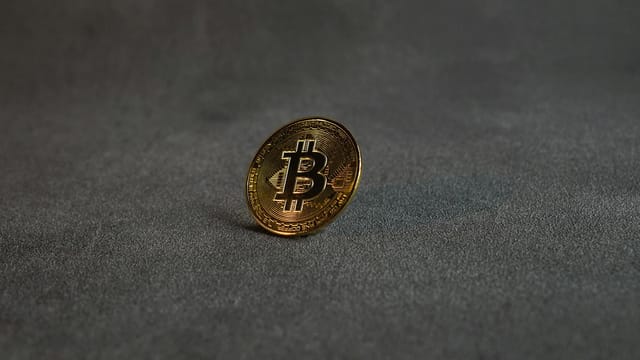
Bitcoin Breaks $69,000 as Markets Push Crypto Back Toward Late‑2021 Highs
Bitcoin rose above $69,000 on March 9, 2026, gaining 4.84% in a single day and pushing the asset back toward its late‑2021 price area. The advance reflects renewed institutional demand and elevated market liquidity, but also heightens volatility and regulatory risk for investors.

Gold Plunges Over $100 in a Day Despite Middle East Tensions — Markets Digest Mixed Signals
Gold fell more than $100 intraday on March 9, dropping below $5,100 an ounce even as tensions in the Middle East rose after Iran named Mojtaba Khamenei as supreme leader. The decline reflects short‑term technical selling and shifts in yields and the dollar, even as major banks raise longer‑term price targets for the metal.

Beijing Turns to Long-Term Debt and Family Subsidies to Repair Growth — Markets and Tech Watch Closely
Beijing plans to issue large volumes of ultra-long special sovereign bonds in 2026 to support major projects, shore up state banks and give local governments funding room, while lawmakers propose big increases in childcare subsidies financed by long-term bonds. The measures underline an active fiscal response to slowing growth but raise questions about future debt burdens, market reaction and the sustainability of bond-financed social spending.
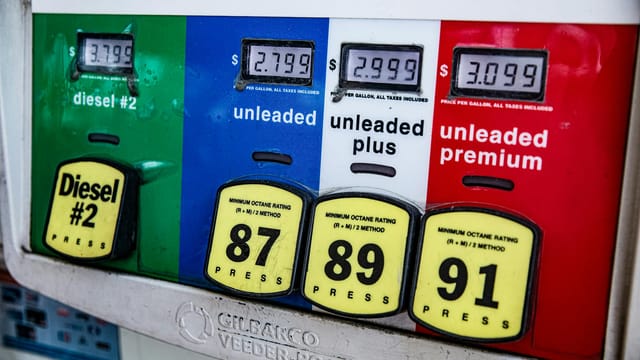
Middle East Escalation Sends Oil Soaring and Markets Reeling; China Watches Closely as Corporates Reshape Portfolios
Iran’s reported strikes on U.S. THAAD systems and accompanying regional violence have driven a sharp uptick in oil prices and broad market volatility. China is responding on multiple fronts: urging de-escalation diplomatically, adjusting trade and logistics routes, and seeing rapid corporate and capital reallocation at home as firms and state-linked buyers react to heightened risk.
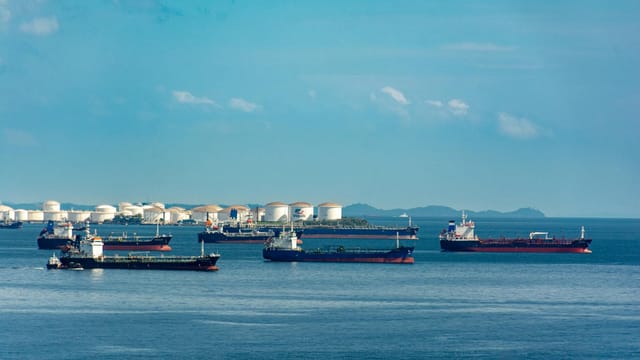
Middle East Flare-Up Sends Tanker Freight to Record High as Markets Trade Unevenly
Renewed Middle East tensions have driven oil prices up more than 6% and sent tanker rates to record highs, creating acute short-term disruption to crude logistics. Markets traded unevenly as investors weighed inflationary implications against selective risk-taking, while Beijing pressed for de-escalation and moved to cushion domestic industry through policy measures.
Drone Strike on U.S. Embassy in Riyadh Sends Oil and Gold Higher as Trump Warns of Retaliation
A drone attack on the U.S. embassy in Riyadh and U.S. signals of military retaliation triggered sharp moves in global markets on March 3, lifting oil, fuel, and precious metals. President Trump’s War Powers notice and his warning of imminent retaliation have increased the risk premium on Gulf supplies and heightened the prospect of further escalation.

Trump Hints at Easing Iran Sanctions; Markets Pare Oil Gains as Diplomacy Signals Emerge
Markets trimmed losses after reports that Iran and the United States may be reopening diplomatic channels and President Trump signaled he could lift sanctions if Iran's leadership became sufficiently pragmatic. Brent crude retreated from a 13% intraday spike to about a 4% gain as investors priced out some near-term escalation risk, though analysts cautioned that broader regional tensions keep volatility elevated.

Market Shock and Geopolitics: How the US‑Israel‑Iran Flare‑up Has Reoriented Risk Ahead of a Packed Week
Weekend strikes between the US, Israel and Iran jostled markets, pushing traders into low‑liquidity venues where crypto and commodity derivatives spiked. With key macro data, central‑bank policy expectations and major corporate and political events ahead, this week will test whether the shock becomes a lasting market regime change or a short‑lived risk premium.

China Economist: Middle East Shock Favors Gold and Defence Over Oil for Long‑Term Investors
Haitong economist Zhang Yidong argues that recent Persian Gulf violence reflects a deeper global power reordering and will drive a strategic revaluation of assets. While oil and tanker markets may spike on risk, gold and defence stocks offer stronger long‑term allocation value amid sustained geopolitical uncertainty.
Wall Street Opens Soft as GLP‑1 Makers Rally and a Generic Challenger Collapses
U.S. markets opened slightly lower as gains in GLP‑1 weight‑loss drug makers were offset by weakness in memory stocks. Novo Nordisk and Eli Lilly rose on continued enthusiasm for semaglutide‑class therapies, while Hims & Hers plunged after facing litigation over a generic version. Micron fell amid renewed pressure on cyclical tech names.

OpenClaw and the 'Agent' Era: When AI Starts Running Your Computer — and Hiring People
OpenClaw, an open‑source AI agent that can run on users' computers and remember long interactions, has catalysed a new ecosystem of agent services and marketplaces, while also triggering major security warnings and a sell‑off in software stocks worried about a structural threat to subscription models. The technology promises productivity gains but forces companies and regulators to confront novel cybersecurity, liability and economic questions.