
# nuclear%20talks
Latest news and articles about nuclear%20talks
Total: 43 articles found
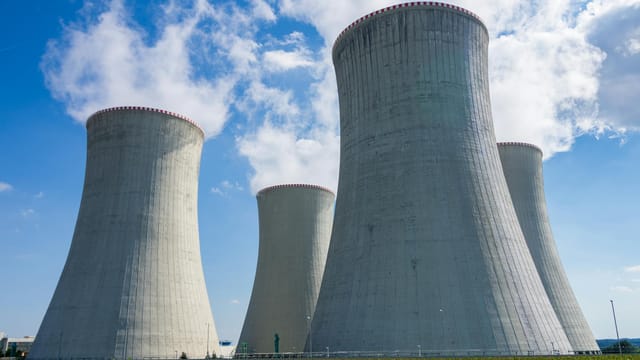
Talks in Muscat as Sanctions Bite: Fragile U.S.–Iran Dialogue Shadowed by Military Alerts
U.S.-Iran talks in Muscat produced a cautious diplomatic opening from Tehran even as Washington imposed new sanctions targeting Iran’s oil trade. Iran refused a precondition banning uranium enrichment and elevated its military to the highest alert; the meeting exposed a narrow, high-risk negotiating window where failure could quickly revert to coercion or military action.

Cautious Breakthrough in Muscat: Iran and U.S. Pause Indirect Nuclear Talks After 'Good' Opening
Iran and the United States held indirect nuclear talks in Muscat on February 6 that Tehran described as a constructive start. The session ended "temporarily" with agreement to continue discussions, but Iran insisted negotiations be confined to nuclear issues and rejected a precondition banning uranium enrichment.

Cautious Opening in Muscat: U.S. and Iran Hold High‑Risk Indirect Talks Under Military Shadow
U.S. and Iranian delegations met indirectly in Muscat for the first diplomatic contact since last year’s strikes; Tehran called the talks “positive” but both sides remain far apart on scope. Washington sought to discuss missiles and proxy networks as well as the nuclear file, demands Iran rejects as non‑negotiable. The meeting reduces immediate escalation risk but underlines deep mistrust and a high chance of miscalculation amid regional and domestic pressures.

Washington Presses Israel to Stand Down as US and Iran Return to the Table
The United States has asked Israel to avoid unilateral military action against Iran while American and Iranian officials meet in Muscat, reflecting Washington's concern that an Israeli strike could derail fragile nuclear talks. Israeli officials remain doubtful an agreement is possible, and the episode highlights the persistent risk that local military moves could trigger broader regional escalation.

Muscat Mediation Keeps U.S.–Iran Nuclear Dialogue Alive, But Substance Still Divides Them
Indirect talks in Muscat on 6 February mediated by Oman produced a limited breakthrough: Iran and the U.S. agreed to continue dialogue, though core terms remain disputed. The mediated format reflects deep mistrust but also a shared interest in avoiding escalation while technical and political obstacles are negotiated.

Divided and Armed: Iran’s Internal Rift Threatens to Sabotage a High‑Stakes U.S. Negotiation
Heightened U.S. military pressure in the Gulf meets deepening factional rivalry inside Iran, where hardliners and sidelined reformists clash over how to respond. With missile upgrades and February 6 negotiations looming, Tehran’s internal divisions may determine whether diplomacy holds or conflict erupts, carrying broad regional consequences.

Oman Plays Go-Between as Tehran Holds Last-Minute Talks Ahead of US Negotiations
Ahead of scheduled talks between Tehran and Washington, Iran’s foreign minister met with Oman’s top diplomat, highlighting Oman’s continued role as a mediator. The meeting signals preparatory diplomacy aimed at narrowing gaps and managing expectations, but entrenched domestic and regional constraints make a substantive breakthrough uncertain.

With Talks Set in Oman, Trump Warns of Military Strike if Iran Builds New Nuclear Sites
President Trump warned of military action if Iran builds new nuclear facilities as negotiations between the two countries were scheduled to begin in Muscat, Oman. The United States wants talks to cover missiles and regional activities, while Iran insists the agenda be confined to its nuclear programme and sanctions relief, creating a major sticking point that will test whether diplomacy can withstand heightened threats and regional pressure.
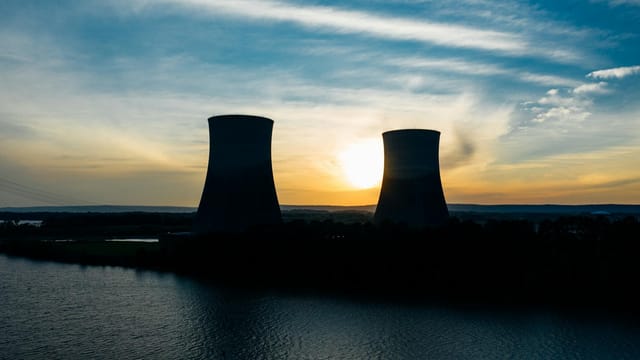
Stakes of Scope: Iran Insists Muscat Talks Stay Narrow as U.S. Seeks Missile Guarantees
Iran and the United States will meet in Muscat to discuss Tehran’s nuclear programme, but a dispute over whether ballistic missiles should be on the agenda threatens to overshadow the talks. Tehran insists on a nuclear‑only mandate while Washington seeks broader guarantees, leaving the outcome uncertain and the regional security climate fragile.
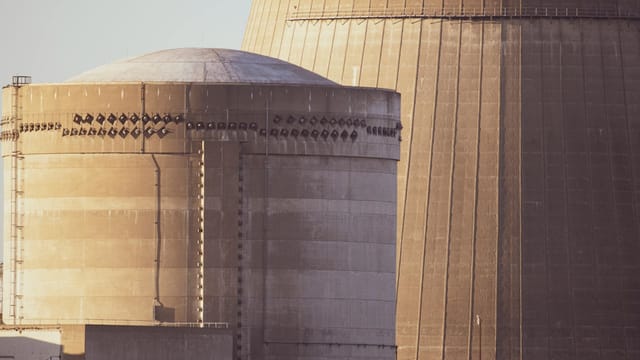
Tehran Insists on Nuclear-Only Talks as US Pushes to Broaden Agenda
Iran and the United States are set to hold talks in Muscat on February 6, but Tehran insists the agenda be limited to nuclear issues while Washington is pushing to include Iran’s ballistic missile programme. The disagreement over scope, combined with recent military signalling from Iran, raises the stakes for a fragile negotiation that could either defuse or inflame regional tensions.

Gulf States Coax Washington Back to the Table — Iran Talks Restored, Moved to Oman
After urgent lobbying by multiple Middle Eastern leaders, the U.S. agreed to restore Iran talks scheduled for February 6 and move the meeting to Oman. Regional pressure sought to prevent a cancellation that might have increased the likelihood of military action, but U.S. officials remain sceptical about the talks' prospects.
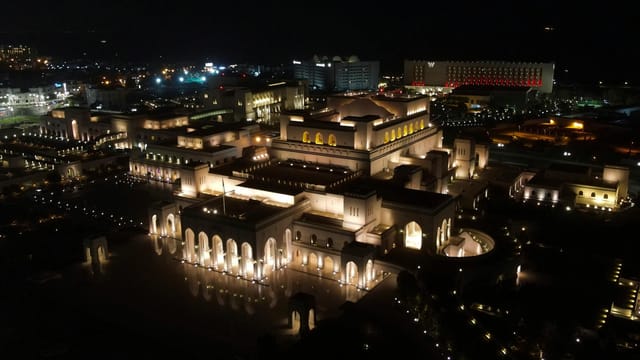
Iran and U.S. to Hold Talks in Muscat on Feb. 6, Tehran Says — A Tentative Diplomatic Opening
Iran’s foreign minister said Iran and the United States will meet in Muscat on Feb. 6 for talks conducted through Oman, a customary intermediary. The encounter is likely to focus on limited, pragmatic issues rather than a comprehensive settlement, serving as a test of whether the two sides can achieve small confidence‑building measures amid persistent strategic differences.