Reckitt China Scrambles to Disinfect Dettol's Image After ‘Sexist’ Ad Backlash

Reckitt China has issued a formal statement responding to widespread criticism of a Dettol advertising campaign deemed sexist and vulgar. The controversy, centered on themes of female 'purity,' highlights the increasing risks multinational brands face when localized marketing fails to align with modern social values in China.

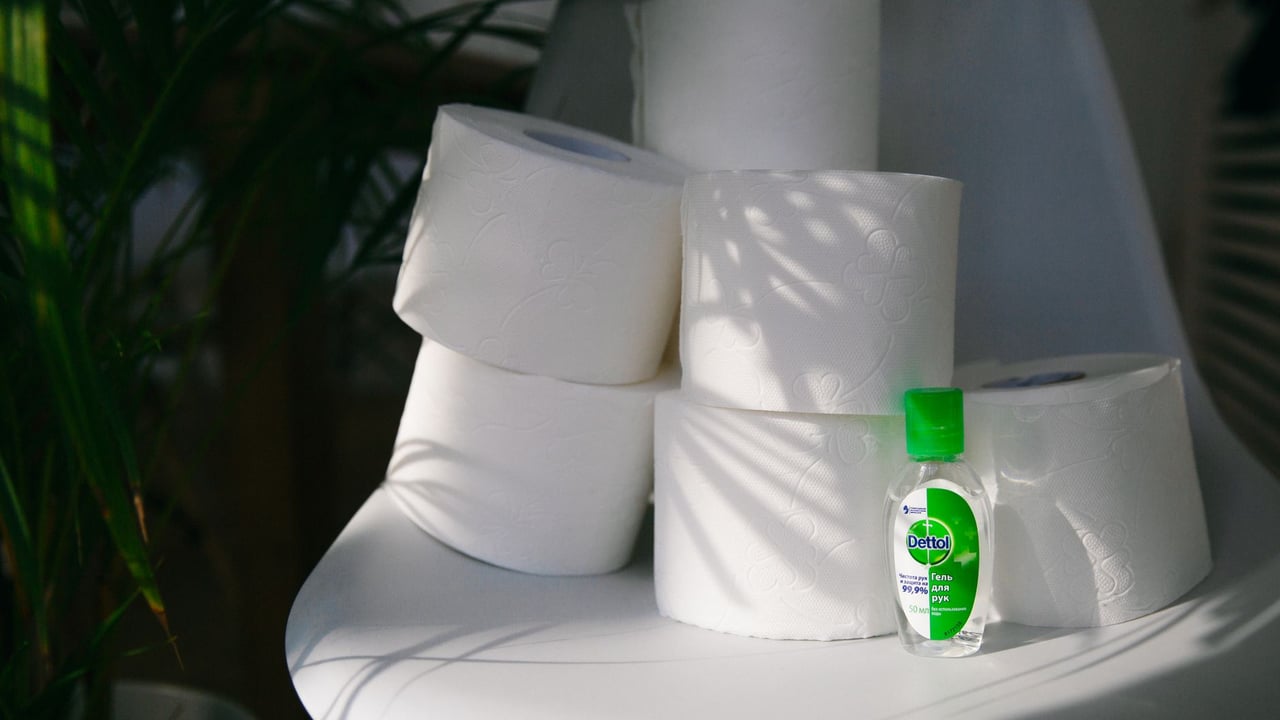
A still life with toilet paper rolls and hand sanitizer in natural light indoors.

Key Takeaways

  • 1Reckitt (China) issued an official statement on June 22 to address the Dettol advertising scandal.
  • 2The ads featured controversial slogans regarding female 'purity' and 'pollution' by men, sparking a viral backlash.
  • 3Major Chinese media outlets have criticized the brand, calling for a cleanup of its 'low-brow' marketing tactics.
  • 4The incident underscores a broader trend of Chinese consumers boycotting brands that utilize perceived misogynistic tropes.

Editor's
Desk

Strategic Analysis

This PR crisis for Dettol is more than just a marketing blunder; it is a symptom of the friction between legacy advertising mentalities and the modern Chinese urban middle class. As economic power shifts toward female consumers in China, brands that utilize 'purity culture' or 'shaming' tactics are finding themselves swiftly de-platformed by public opinion. For Reckitt, the challenge now lies in rebuilding trust with a demographic that views household hygiene as a matter of health rather than moral judgment. This event serves as a warning to other multinational corporations that 'localized' content must be vetted through a lens of contemporary social ethics to avoid permanent brand dilution in a highly competitive market.

China Daily Brief Editorial
Strategic Insight
China Daily Brief

Reckitt Benckiser (China) has been forced into urgent damage control following a wave of public indignation over a recent marketing campaign for its flagship disinfectant brand, Dettol. On June 22, the company released an official statement addressing reports of advertisements that consumers and critics alike have labeled as vulgar and deeply offensive to women.

The controversy erupted when promotional materials surfaced featuring taglines that emphasized female "purity," specifically using language suggesting a woman had "never been polluted by another man." The choice of words sparked an immediate firestorm on Chinese social media platforms, where users accused the brand of reducing women to objects and weaponizing hygiene products to reinforce patriarchal concepts of virginity.

State-affiliated media outlets quickly joined the fray, with reports calling for Dettol to "disinfect" its own marketing strategy. This backlash highlights the growing divide between traditional, often regressive marketing tropes and a modern Chinese consumer base that is increasingly vocal about gender equality and social respect.

For a multinational giant like Reckitt, this incident represents a significant localized PR failure. While global brands often grant local teams autonomy to create culturally relevant campaigns, this specific misstep suggests a lack of oversight in navigating China’s rapidly evolving social sensitivities and the rising influence of the "she-economy."

Share Article

Related Articles

📰
No related articles found