
Business News
Latest business news and updates
Total: 2930

SpaceX Secures Investment-Grade Status: S&P’s ‘BBB’ Rating Validates Musk’s Long Game
S&P Global Ratings has assigned SpaceX an investment-grade 'BBB' rating with a stable outlook, citing its dominant launch and Starlink businesses. While capital needs for Starship remain high, the agency expects the company's financial leverage to peak in 2028 before improving through AI and connectivity revenue.
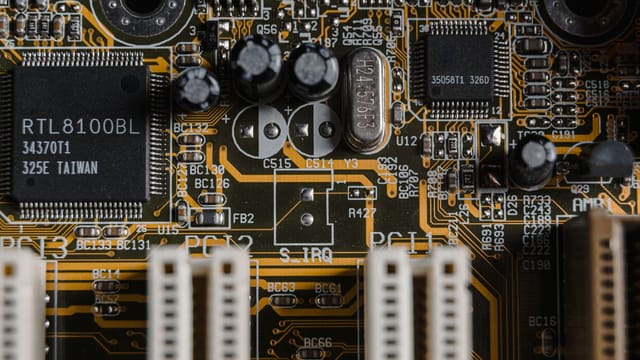
The HBM Dividend: How the Global AI Boom is Funding a Luxury Spree in South Korea
Record bonuses at Samsung and SK Hynix, driven by the global AI chip boom, have triggered a massive luxury spending spree and a 10% spike in Seoul-area real estate prices. This influx of 'semiconductor wealth' is dominating the domestic luxury market, with car salespeople reporting that 90% of their customers now hail from the chip industry.
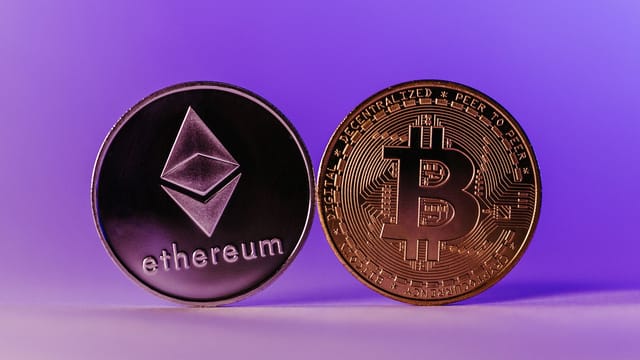
Crypto Retreat: Bitcoin Slips Below $63,000 as Ethereum Follows Suit
Bitcoin and Ethereum faced a significant sell-off in the last 24 hours, with Bitcoin dropping below the $63,000 mark. This nearly 4% decline highlights persistent market volatility and tests key technical support levels for digital asset investors.
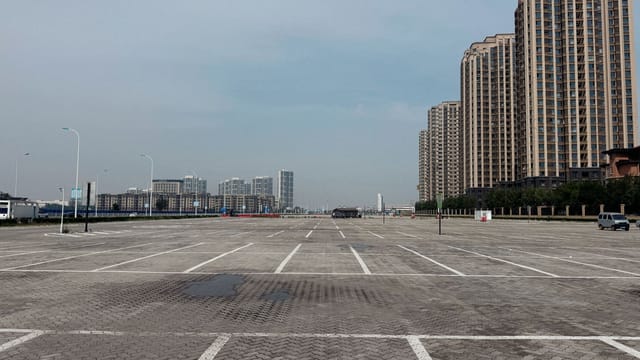
China’s Selective Recovery: Why Record-Breaking Land Sales Hide a Deepening Property Divide
Record-breaking land auctions in China's top-tier cities indicate a strategic pivot toward premium assets rather than a general market recovery. State-owned developers are concentrating their investments in core urban districts to capture resilient high-end demand while the broader property sector remains under significant pressure.
The Warsh Manifesto: A Minimalist Debut Masks a Maximalist Overhaul of the Federal Reserve
Kevin Warsh debuted as Fed Chair by slashing the FOMC statement's length and launching five task forces to reform the central bank's core operations. While rates remained steady, his minimalist communication style and hawkish undertones sent the dollar and Treasury yields surging, signaling a major shift away from traditional forward guidance.
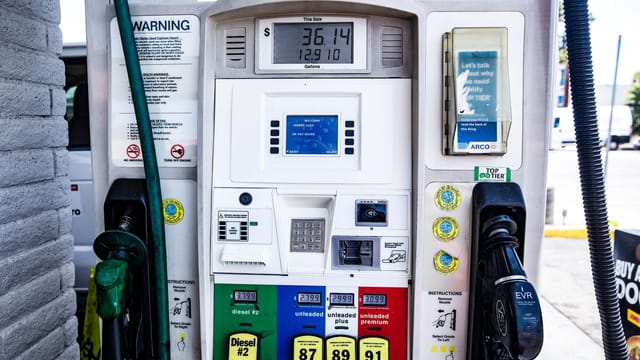
The Geopolitical Dividend: China’s Fuel Prices Retreat as US-Iran Detente Reopens the Strait of Hormuz
China has implemented a major cut to domestic fuel prices, bringing gasoline back down to the 7-yuan-per-liter range. The adjustment follows a historic US-Iran diplomatic breakthrough that reopened the Strait of Hormuz and significantly lowered global crude oil risk premiums.
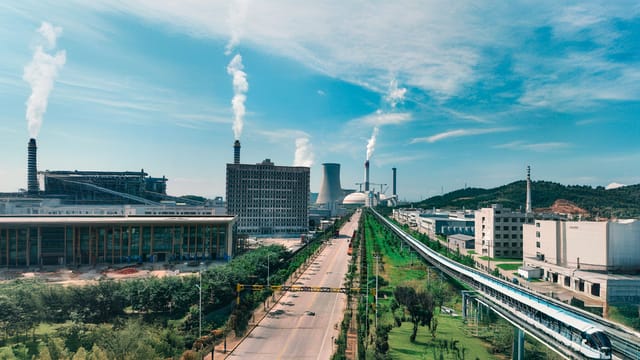
Beyond the Subsidy Myth: Beijing Defends the Roots of China’s Industrial Dominance
The National Development and Reform Commission has dismissed claims that Chinese industrial competitiveness is primarily driven by government subsidies. Officials argue that the country's dominance stems from a combination of market scale, supply chain synergy, and decades of investment in human capital.

The Resilience of the 'Madmen': Chinese Merchants Brave the Rubble of Post-War Iran
Following a devastating regional conflict in early 2026, Chinese private entrepreneurs are returning to Iran to rebuild disrupted trade routes and factories. Despite bombed infrastructure, hyperinflation, and logistical chaos, these merchants view Iran's 80-million-strong market as a high-risk, high-reward alternative to the saturated markets of Southeast Asia.
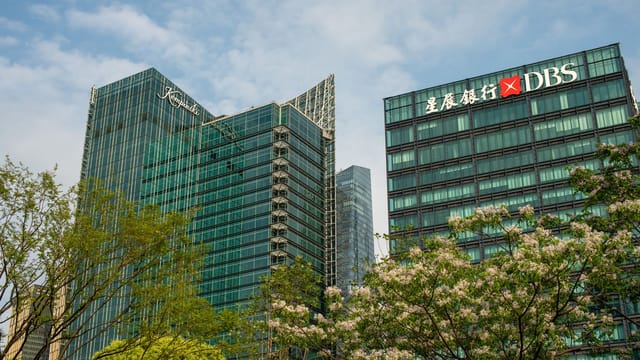
The Great Capital Pivot: Hong Kong Reclaims Global Status as US Listings for Chinese Firms Evaporate
Hong Kong has surged to become the world’s second-largest IPO market in H1 2026, while Chinese listings in the US have collapsed by 99%. This shift highlights a major decoupling of capital markets as Chinese tech firms pivot toward domestic and regional exchanges in alignment with state strategic goals.

Defying the Downturn: How Zhenjiu LiDu Cracked the Code of Baijiu Price Stability
While the Chinese baijiu industry suffers from severe price inversion and inventory surpluses, Zhenjiu LiDu has maintained profitability and price stability through its 'Ten-Thousand Merchant Alliance' model and equity incentives for distributors. By prioritizing channel health over short-term volume, the group has successfully cleared inventory and recently raised its 2026 financial guidance.
China’s Debt Watchdog Rebukes Guosen Securities in Market Integrity Crackdown
Guosen Securities has received a formal warning from China’s NAFMII for interfering with bond pricing and failing in its post-issuance monitoring duties. The regulator has ordered a comprehensive internal overhaul of the firm’s debt financing operations to restore market order.

China’s Market Schism: Why Strategists Are Doubling Down on Old Energy and New AI
China's equity markets are experiencing a sharp split as AI infrastructure gains momentum while traditional 'non-silicon' assets face a liquidity-driven sell-off. Leading strategists remain bullish on undervalued brokerages and high-yield coal stocks, citing strong fundamentals and historical valuation lows.