
Science News
Latest science news and updates
Total: 154

From Restoring Sight to 'Consciousness Machines': Neuralink Co‑founder Says BCI Is Entering a Takeoff Era — and Predicts Humans May Live to 1,000
A retinal implant developed by Max Hodak’s company Science has reportedly restored coherent visual percepts in more than 40 blind patients and published results in the New England Journal of Medicine. Hodak frames this clinical success as the start of a BCI "takeoff era," outlining ambitious plans for biohybrid implants, deep AI–neuroscience convergence, and even radical longevity claims that the first 1,000‑year humans may already be alive.

NASA Inspector-General Warns Starship Lander Is Years Late, Putting 2028 Moon Return at Risk
NASA’s Inspector General reports that SpaceX’s Starship lunar lander is approximately two years behind its original schedule and faces further delays, while Blue Origin’s lander work is also late. These setbacks threaten NASA’s goal of a crewed lunar return in 2028 and increase pressure on programme management, budgets and international partnerships.
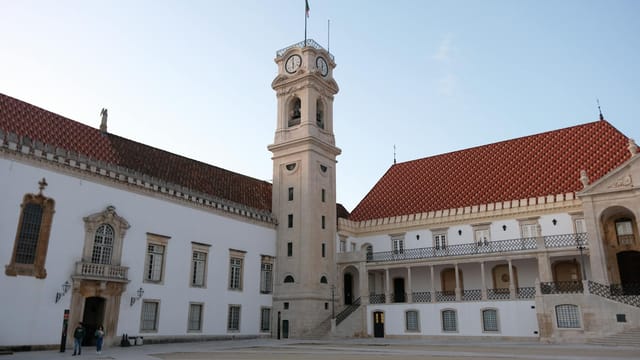
Portuguese Team Recreates Anti‑Cancer Immune Cells in the Lab, Opening New Path for Cell Therapies
A research team involving the University of Coimbra reports that they have recreated immune cells with anti‑tumour activity in the lab using cellular reprogramming. The result is a preclinical milestone that could broaden the toolbox for cancer cell therapies but requires peer review, animal studies and clinical trials before clinical application.
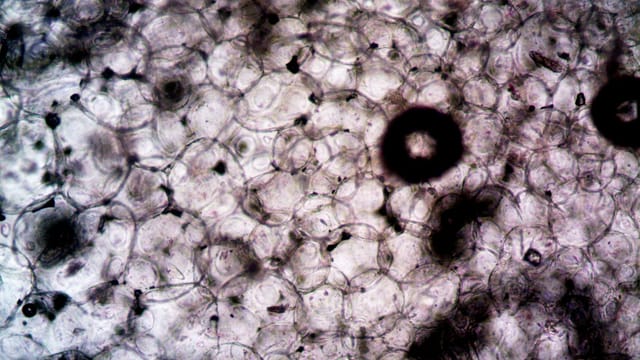
Chinese teams unmask a metabolic immune‑escape — and a path toward lab‑made anti‑tumour T cells
Chinese research teams identified extracellular CD44 lactylation as a mechanism by which tumour‑generated lactate blunts CD8+ T cell function, revealing a direct metabolic route to immune escape. The discovery suggests new therapeutic strategies — including drugs or engineered T cells resistant to lactylation — but remains at the preclinical stage.
China Signals Hong Kong and Macau Residents May Join Tiangong Crew This Year
China says trainees from Hong Kong and Macau are preparing for possible missions to the Tiangong space station as early as this year, while foreign astronaut selection and training continues on schedule. The declaration is both a technical signal of readiness and a political gesture intended to showcase inclusion and expand China’s role in post‑ISS low‑Earth‑orbit activity.
China Signals Push for Long‑Duration Off‑Earth Habitats as Astronauts Plan a Ground Research Facility
Chinese astronaut Wang Yaping told a CPPCC panel that the China Astronaut Research and Training Center is applying to build a ground‑based research facility to study long‑term survival off Earth. The move signals Beijing’s transition from near‑Earth operations toward preparations for sustained human presence on the Moon or beyond, with implications for technology, competition and potential international cooperation.

China Signals Push Toward Off‑Earth Habitats as Astronaut Wang Yaping Flags New Research Facility
China says it is preparing a ground‑based research facility to study long‑term human survival beyond Earth, a move disclosed by astronaut and CPPCC member Wang Yaping. The project would underpin ambitions for sustained lunar and deep‑space missions by developing life‑support, radiation protection and in‑situ resource use technologies.
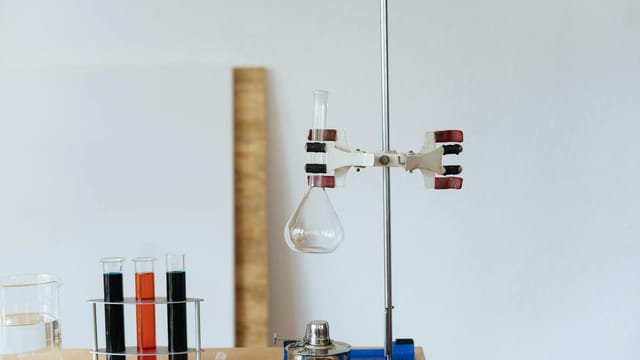
Plastic Films Turn into Tiny Power Plants: Chinese Researchers Set New Record in Flexible Thermoelectrics
Chinese researchers at the Institute of Chemistry, CAS, have developed a flexible polymer thermoelectric film with a reported zT of 1.64, using a polymer phase‑separation process compatible with spray‑coating. The advance could make lightweight, conformable heat‑to‑electricity devices feasible, though real‑world power output, durability and integration remain to be proven.
Atomic‑Thin Magnet Shows Two Rare Phase Transitions, Confirming a 1970s Theory
A University of Texas at Austin team has observed two sequential magnetic states in an ultrathin two‑dimensional magnet as temperature falls, providing the first complete experimental verification of the six‑state clock model from the 1970s. The result clarifies how discrete symmetry and topological defects shape 2D magnetic order and points to avenues for engineering nanoscale spintronic devices, though practical applications will require raising operating temperatures and improving robustness.
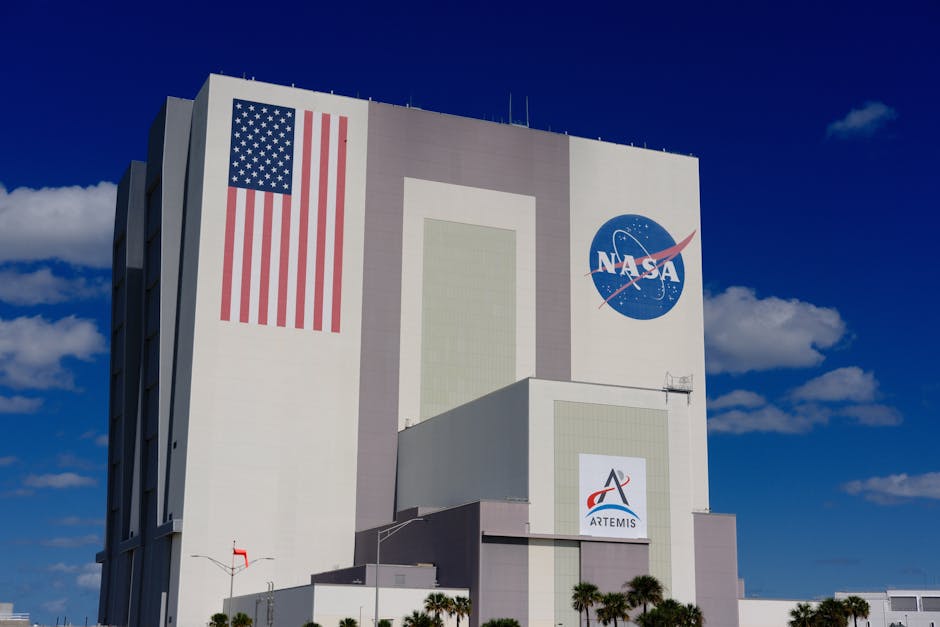
Setbacks Force NASA to Reboot Artemis: Lunar Landing Pushed Back, Extra Test Flight Added
NASA has restructured the Artemis lunar programme after recent technical faults and safety concerns, adding a test flight and turning Artemis III into an orbital practice mission in 2027. Crewed lunar landings are now planned for Artemis IV (2028) and Artemis V (2030), reflecting a shift toward caution and institutional reform under the agency’s new chief.
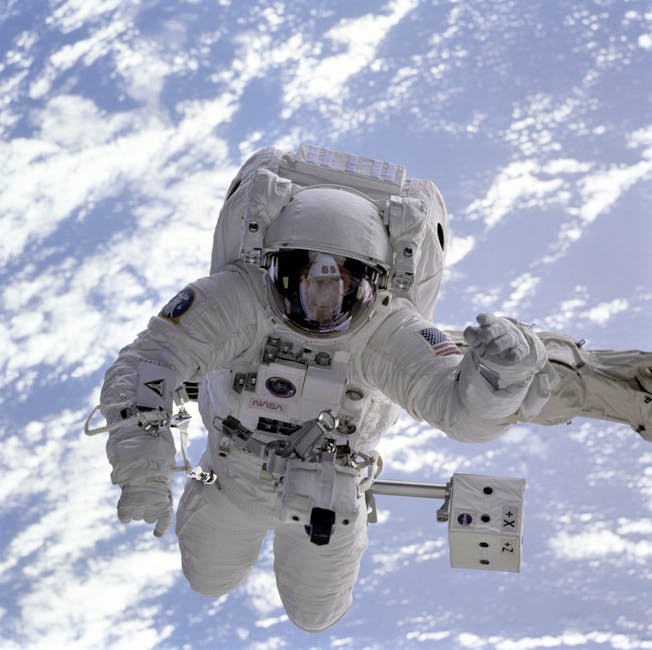
“Space Butterfly” Emerges: China Reports New Breakthrough in Orbital Biology Experiments
Chinese scientists report that butterflies completed metamorphosis in orbit, signaling progress in space biology experiments. The results advance understanding of how microgravity affects complex life cycles and have implications for life‑support systems and international research cooperation.
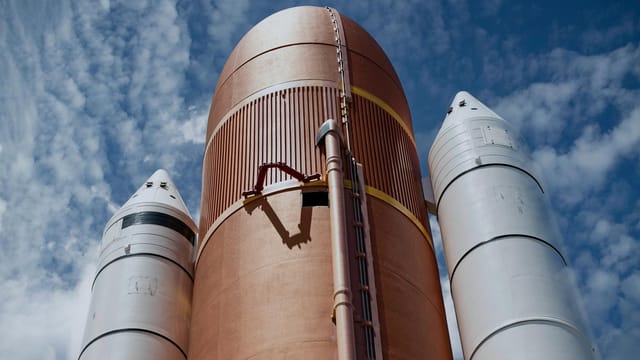
NASA Recasts Artemis: Pushes Commercial Landers into the Spotlight as SLS Troubles Force Rethink
NASA has restructured the Artemis programme to reduce mission risk and allow commercial landers more testing time, after SLS launch vehicle leaks delayed operations. Artemis II's crewed lunar flyaround remains planned pending rocket repairs; Artemis III has been converted into an orbit‑docking and test mission, with crewed lunar landings pushed to Artemis IV in 2028 if timelines hold.