
Science News
Latest science news and updates
Total: 154

NASA Pushes First Crewed Artemis Moonshot to 2028, Extending a Program of Rolling Delays
NASA has delayed the first crewed Artemis lunar landing from 2027 to 2028, continuing a pattern of timetable adjustments for the flagship return-to-the-Moon programme. The move reflects ongoing technical integration, testing and budgetary challenges and sharpens attention on commercial partners, international competition and next-stage milestones.

NASA Scales Back SLS Upgrades to Boost Launch Pace, Hitting Boeing Contract Value
NASA has cancelled a planned upgrade to its SLS rocket to focus on increasing launch cadence and added an extra unmanned docking test ahead of crewed lunar missions. The shift affects a roughly $2 billion Boeing contract and signals NASA’s prioritisation of reliability and tempo over expanded vehicle capability in the near term.
Europe Taps Monaco Rover Firm to Solve Moon‑Mobility and Thermal Challenges
ESA has contracted Monaco’s Venturi Aerospace to research lunar rover mobility and survival systems, focusing on suspension, ultra‑deformable wheels, and power and thermal management to withstand extreme lunar conditions. Tests will use a Venturi rover in an ESA‑DLR lunar simulation facility and aim to mature technologies essential for reliable surface operations.
China’s Researchers Push Kesterite Solar Cells Past 15% Efficiency, Narrowing Gap with Mainstream PV
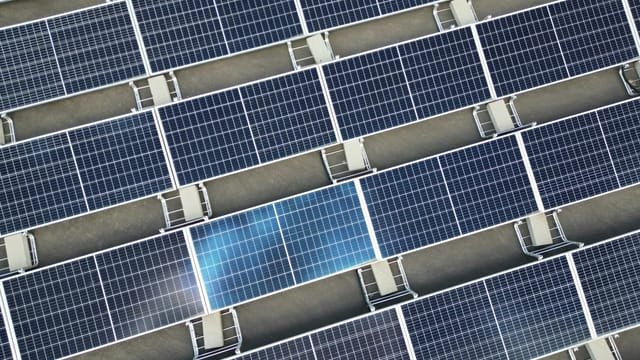
Chinese scientists have pushed CZTSSe kesterite solar cells past 15% certified efficiency, a notable lab milestone for a thin‑film technology made from earth‑abundant, non‑toxic elements. The result strengthens the case for lower‑cost, widely deployable thin‑film photovoltaics but still faces scaling, stability and module‑level challenges before commercial impact can be judged.
Chinese Scientists Publish Nature Paper on Durable, Flexible Organic Battery Cathode — A Potential Step Toward Greener, Safer Energy Storage
A Tianjin University-led team published a Nature paper describing a new organic cathode for lithium batteries claimed to be safe, heat- and freeze-resistant, and mechanically flexible. The development could advance greener, wearable-capable energy storage, but significant engineering and scaling challenges remain before commercial deployment.
MeerKAT and a Cosmic Lens Reveal the Most Distant Hydroxyl Megamaser Yet
Using MeerKAT and a powerful gravitational lens, astronomers have detected the most distant and brightest hydroxyl megamaser known, in a merging galaxy more than 8 billion light‑years away. The result demonstrates how sensitive radio arrays and lensing can probe molecular gas and extreme star formation at cosmological distances, opening new avenues for studying galaxy evolution ahead of the SKA era.
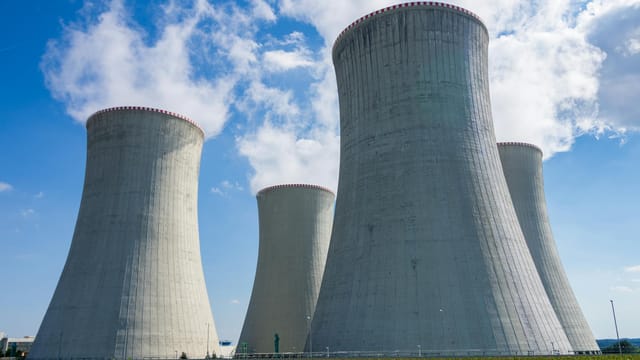
China’s Private ‘Artificial Sun’ Clears New Milestones as Start-ups Race to Commercialise Fusion
Energy Singularity’s HTS tokamak, Honghuang‑70, has achieved successive long‑pulse plasma runs — culminating in a 1,337‑second steady state — demonstrating engineering reliability in a privately built device. The results strengthen China’s private fusion push amid rising investment and new national law support, though net energy gain and reactor‑scale engineering remain unresolved challenges.
Primate Brains Build Two Separate 'Spaces' to Generalise — A Clue for Smarter AI
A Chinese research team recorded macaque brains during rule‑learning tasks and found two independent neural representational spaces: one encoding stable decision logic and another encoding variable sensory features. The separation helps primates transfer abstract rules to new situations and suggests a biologically inspired design principle for improving AI generalisation.
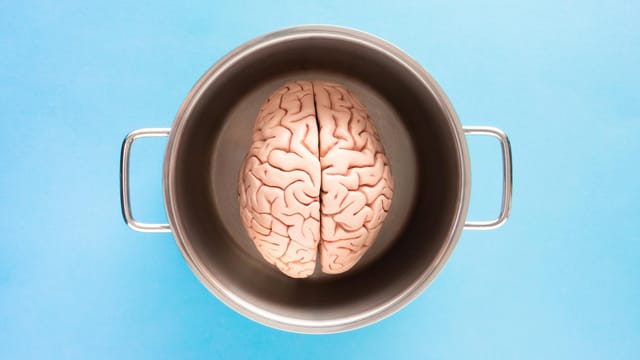
Primate Brains Separate Stable Rules from Changing Senses — A Blueprint for More Flexible AI
Chinese researchers report that macaque brains form two independent neural representational spaces — one encoding stable decision rules and the other encoding current sensory specifics — enabling rapid transfer of learned rules to new tasks. Published in Nature Communications, the study suggests a biological model that could inform AI architectures for better generalisation and adaptability.
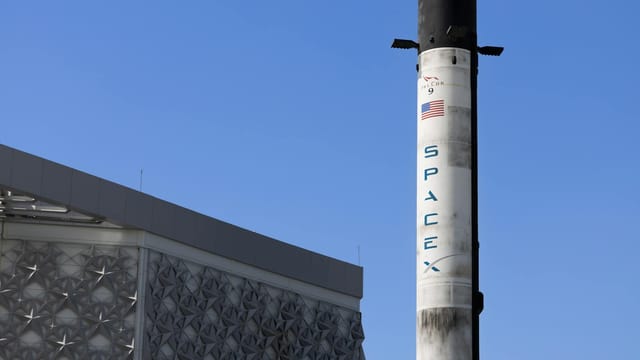
Musk: SpaceX Will Prioritise a Moon City but Mars Program Remains On Track
Elon Musk says SpaceX has shifted near‑term emphasis to building a self‑sustaining lunar city within about ten years, but he insists Mars plans will continue and that the change should delay Martian autonomy by no more than five years. The move reframes commercial space priorities and could either supply crucial testbeds for Mars or divert resources from interplanetary development.
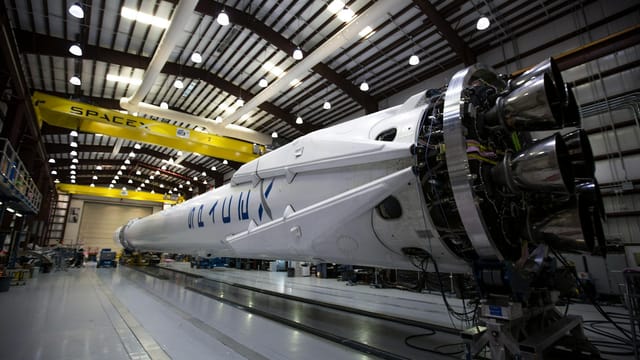
SpaceX’s Crew Dragon Delivers New Astronaut Team to the ISS, Underscoring U.S. Commercial Space Reliance
A Crew Dragon mission has delivered a new team of astronauts to the International Space Station, highlighting the operational success of NASA’s commercial crew model. The flight reinforces U.S. access to low‑Earth orbit while raising strategic questions about competition, resilience and the future of orbital infrastructure.

Helion Hits 150 Million °C in Prototype Push Toward 2028 Commercial Reactor Ambition
Helion Energy says its Polaris prototype reached 150 million °C, a milestone the company frames as a three‑quarters step toward temperatures it considers necessary for commercial fusion. The firm pursues an FRC design and direct magnetic‑to‑electric conversion, targets a 50 MW Orion plant for Microsoft by 2028, and faces significant technical and fuel‑supply challenges before true commercialization.