
World News
Latest world news and updates
Total: 3439

Tehran Rejects Ceasefire and Vows Sustained Missile Response, Signalling a Hardline Turn in the Israel–US Flashpoint
Iranian leaders have publicly rejected a ceasefire and warned they will continue missile attacks against perceived aggressors, signaling a willingness to use sustained force rather than return to talks with the United States. The rhetoric increases the risk of wider regional escalation while giving Tehran leverage in any future diplomatic calculations.

White House Says US Navy Is Not Escorting Ships Through Strait of Hormuz — A Signal of Restraint or Resource Limits?
The White House said on March 10 that the US Navy is not escorting any commercial vessels through the Strait of Hormuz. The brief statement carries strategic weight: it signals either a deliberate restraint to avoid escalation or limits in naval capacity, and has implications for regional security, shipping risk, and global energy markets.
Germany Breaks With Tradition: Merz Warns West Bank Annexation Would Be 'A Grave Mistake'
Chancellor Friedrich Merz publicly warned that Israeli moves to annex parts of the West Bank would be "a grave mistake," marking a rare and significant rebuke from a close German ally. Berlin's criticism targets E1 housing plans and broader settler measures, while Israel simultaneously pursues ceasefire talks in Doha — a dual posture driven by domestic politics and strategic calculations that risks undermining the two‑state framework.

Missile Fragments from Iran School Strike Bear U.S. Markings — Forensics Deepen Crisis
Iran released HD footage of missile fragments from a school strike in Minab showing serial numbers and markings that U.S. media say are consistent with post‑2014 Tomahawk cruise missiles. While these leads are serious, independent verification and chain‑of‑custody proof are required to move from plausible attribution to conclusive evidence, and the claim has significant geopolitical risks if left unresolved.

U.S. Pledge to Escort Tankers in Strait of Hormuz Rings Hollow as Navy Refuses Over Risk
President Trump vowed U.S. naval escorts for tankers through the Strait of Hormuz, but U.S. commanders have declined repeated escort requests from commercial vessels, citing a high risk of Iranian attack. The disconnect has left hundreds of ships idled, raised the prospect of sustained disruption to global oil flows, and exposed weaknesses in deterrence and messaging.

Tehran Mourns Senior Commanders After U.S.-Israeli Strikes, Raising Stakes in a Volatile Region
Tehran held a high-profile funeral on March 11 for senior Iranian commanders killed in U.S.-Israeli strikes on February 28, an event that blended public mourning with political signalling. The ceremony underscores heightened risks of regional escalation, potential shifts in Iran’s command and proxy tactics, and the broader diplomatic and security repercussions for the Middle East.
Gulf Skirmishes Turn Holidaymakers into Risk-Calculators as Travel Plans Fray
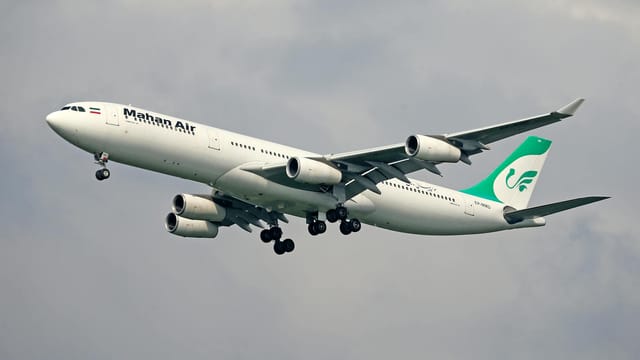
Escalation between Israel, the US and Iran has disrupted Gulf airspace and contaminated global travel plans, leaving stranded tourists evacuated by travel firms and many more weighing whether to cancel imminent trips. The crisis is accelerating a market shift: operational resilience and safety guarantees are becoming central competitive factors for carriers and destinations.
Silence in Tehran: Iran’s New Supreme Leader Vanishes as Region Braces for Escalation
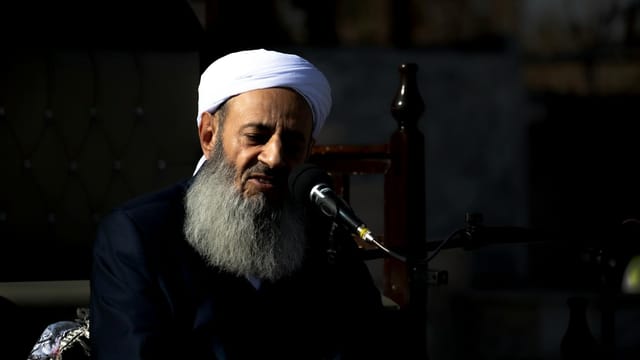
Iran’s newly installed supreme leader, Mujtaba, has remained publicly absent since taking office, generating speculation about his safety and exposing fissures in Tehran’s security and political architecture. The gap in visibility comes as Tehran and the US and Israel exchange threats and strikes, raising the risk that uncertainty at the top could accelerate regional escalation and market shocks.
Germany Breaks Ranks: Berlin Warns Israel Against West Bank Annexation as Diplomatic Strain Widens
Germany's chancellor and foreign minister publicly warned Israel against plans to annex parts of the West Bank, singling out the E1 housing project as a threat to the two‑state solution. The rare German rebuke, coupled with international condemnation, reflects growing European frustration and raises the prospect of tangible policy consequences for Israel if settlement expansion continues.

China’s Envoy in Abu Dhabi Presses for Gulf De‑Escalation as UAE Backs Beijing’s Mediating Role
China’s Middle East envoy Zhai Jun met UAE leaders in Abu Dhabi to press for de‑escalation of fighting spreading across the Gulf and to secure assurances for the safety of Chinese nationals and institutions. The UAE welcomed China’s impartial role and pledged to protect Chinese interests while expressing readiness to cooperate on diplomatic outreach aimed at an early ceasefire.

Washington Reins In Israeli Strikes on Iran’s Energy Sites, Citing Fear of Blowback and Market Disruption
The U.S. has ordered Israel to halt strikes on Iranian energy storage facilities, the first such restraint since joint operations began, citing fears of Iranian unity, potential post-conflict oil interests, and regional escalation. The move comes as oil prices top $100 a barrel and U.S. gasoline prices rise, intensifying domestic opposition to a widening war.
Attack on Thai Freighter in Strait of Hormuz Raises Fresh Alarms for Global Shipping
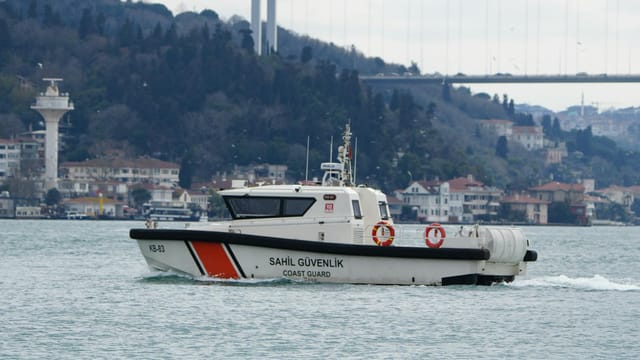
A Thai cargo ship was attacked and set aflame in the Strait of Hormuz on 11 March; 20 crew were rescued and taken to Oman. The incident underscores continuing maritime security risks at a key oil transit chokepoint and could drive higher insurance costs, rerouting and calls for enhanced naval protection.