
World News
Latest world news and updates
Total: 3383

Justice Reclaimed: The Enduring Legacy of China’s Rebuttal at the Tokyo Trials
Chinese media is commemorating the 80th anniversary of the Tokyo Trials, focusing on the legal triumph of Chinese prosecutors against Japanese revisionism. The narrative reinforces China's role as a primary victor of WWII and a defender of international justice.
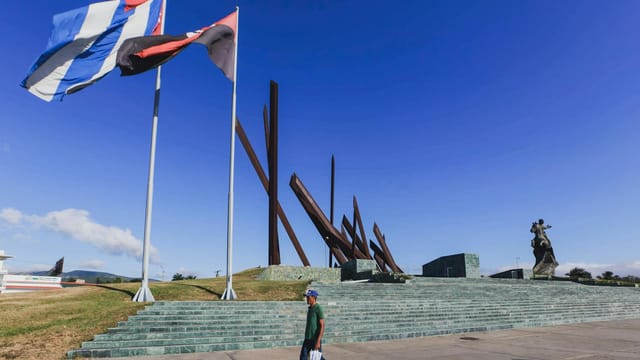
Monroe Doctrine 2.0? Petro Slams Trump’s Military Threats Against Cuba
Colombian President Gustavo Petro has condemned U.S. President Donald Trump’s threats of military intervention in Cuba, labeling such actions as an attack on all of Latin America. The tension follows new U.S. sanctions and Trump’s suggestion of a military 'takeover' of the island following operations in Iran.
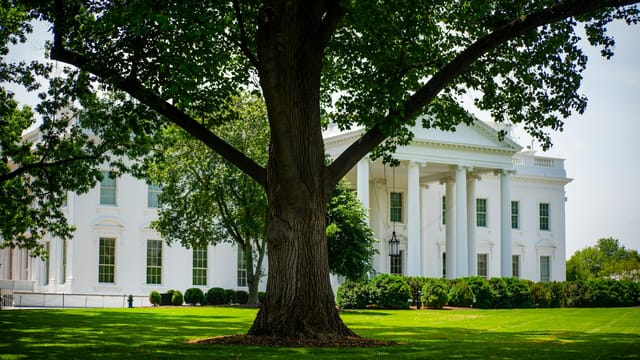
Straits of Fire: Trump's Naval Threats Force a Cuban Standoff
President Trump has escalated tensions with Cuba by threatening military intervention and carrier deployment, prompting a defiant response from President Díaz-Canel. The rhetorical shift coincides with new sanctions and mass anti-U.S. protests in Havana, signaling a return to high-stakes brinkmanship in the Caribbean.
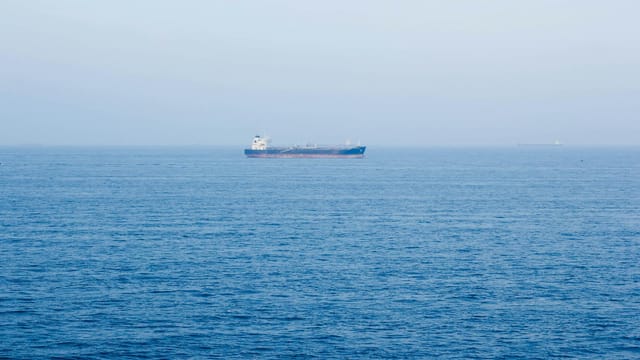
Tehran’s High-Stakes Gambit: A Fourteen-Point Peace Plan Met with Trump’s Skepticism
Iran has submitted a 14-point peace proposal to the U.S. via Pakistan, demanding military withdrawal and reparations, while President Trump has expressed deep skepticism. Concurrently, Tehran is advancing legislation to assert total control over the Strait of Hormuz, including a permanent ban on Israeli shipping and taxes on 'hostile' nations.
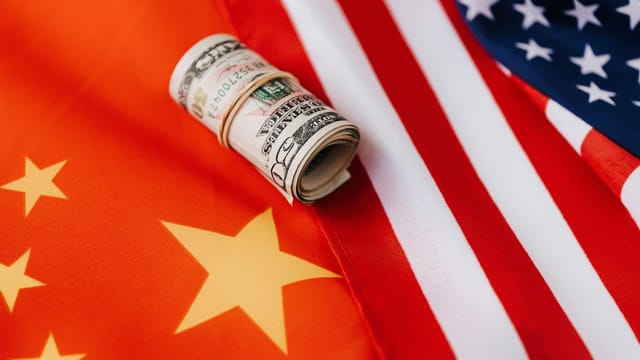
Shadows of Shenyang: The Legal Battle Over Japan’s Wartime Legacy
This retrospective examines the 1956 Shenyang Trials where Chinese prosecutors challenged the collective denial of Japanese war criminals. It highlights how Beijing uses these historical narratives to maintain its moral standing and exert diplomatic pressure on modern Japan.
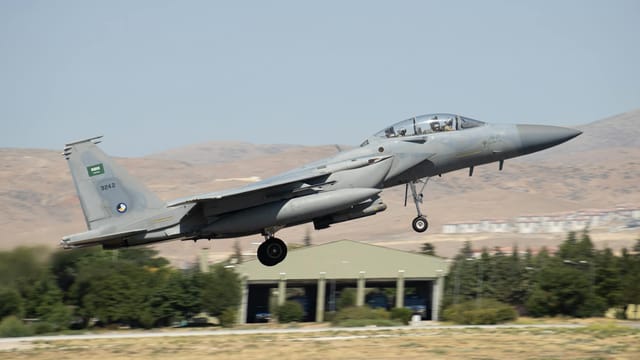
A Region Under Fire: Iranian Precision Strikes Strain U.S. Military Footprint in the Middle East
Recent investigations reveal that Iranian strikes have damaged 16 U.S. military facilities across eight Middle Eastern countries, targeting expensive radar and communication systems. The cost of the conflict has reportedly surged toward $50 billion, sparking internal debate over the strategic sustainability of the U.S. regional presence.
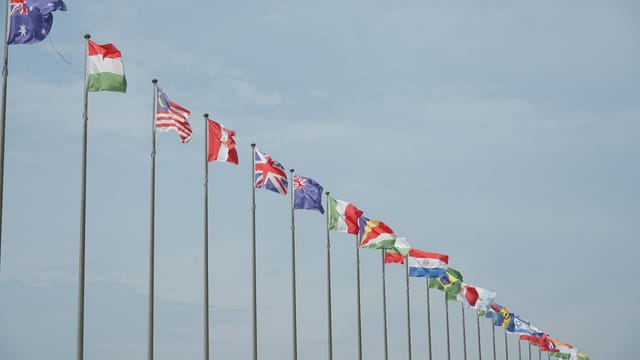
Transactional Tensions: Trump Initiates Troop Withdrawal from Germany Amid Iran Spat
The Pentagon has announced the withdrawal of 5,000 troops from Germany within the next year, following a diplomatic fallout between President Trump and Chancellor Merz. The move reflects a broader U.S. strategic shift toward the Indo-Pacific and highlights a growing rift in the NATO alliance over Middle Eastern policy.

A Chokepoint Choked: 'Epic Fury' and the Collapse of Hormuz Shipping
A joint U.S.-Israeli military operation against Iran has triggered a 90% collapse in shipping traffic through the Strait of Hormuz. With daily transits dropping from 130 to fewer than ten, the region faces an unprecedented logistical and energy security crisis.

The Great Decoupling: Why the 2026 Energy Crisis is a Structural Break, Not a Blip
The 2026 oil crisis, triggered by unprecedented disruptions in the Strait of Hormuz, has caused a historic decoupling between financial markets and physical supply. As China grapples with rising industrial costs and maritime norms face erosion in both the Middle East and Southeast Asia, the global energy priority has shifted decisively toward national security over economic efficiency.
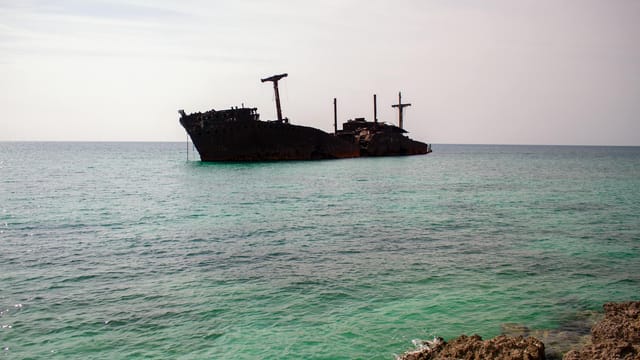
Tehran Moves to Rewrite the Rules of Engagement in the Persian Gulf
The Iranian Revolutionary Guard Corps Navy has announced a new initiative to reshape management rules in the Persian Gulf and the Strait of Hormuz under the Supreme Leader's orders. This strategic maneuver aims to formalize Iran’s control over vital maritime routes amid ongoing tensions with the United States.
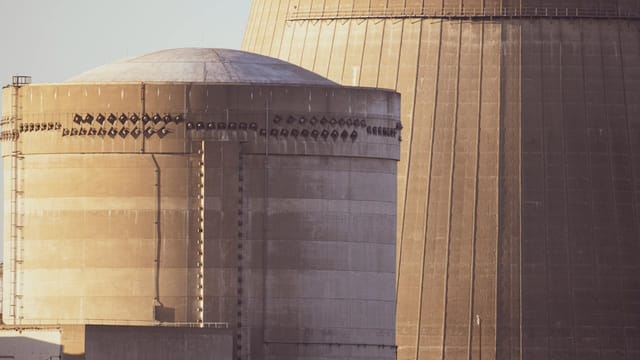
Jerusalem’s Absolute Doctrine: Why Israel Sees Anything Less Than Iranian Denuclearization as Defeat
Israel has declared that any military action against Iran will be considered a failure unless it results in the total removal of enriched uranium. With Tehran holding enough 60% enriched material for 11 bombs, Jerusalem is signaling that it will not accept any diplomatic or military outcome that leaves Iran's nuclear stockpile intact.
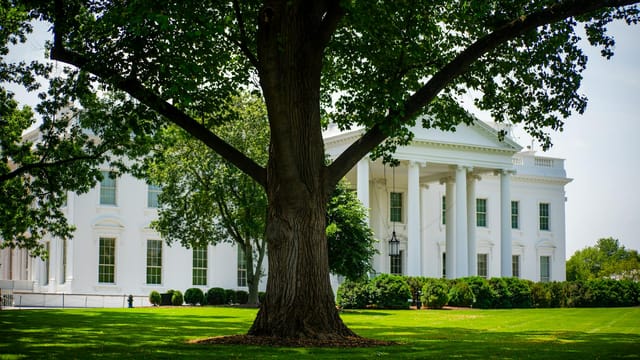
Brinkmanship in the Gulf: Trump Rejects Iranian Overture While Reviewing Military Contingencies
Donald Trump has rejected the latest diplomatic proposal from Iran, delivered via Pakistani intermediaries, while simultaneously reviewing updated military options from CENTCOM. The administration continues to pursue a high-stakes strategy of 'Maximum Pressure,' balancing a preference for a new deal with the explicit threat of military escalation.