
Technology & AIAnalysis
Beijing Retail Hub Showcases Shift Toward Consumer Service Robotics
A dedicated store in Yizhuang presents over 100 robotic models as developers aim for integrated, proactive household automation.
Share
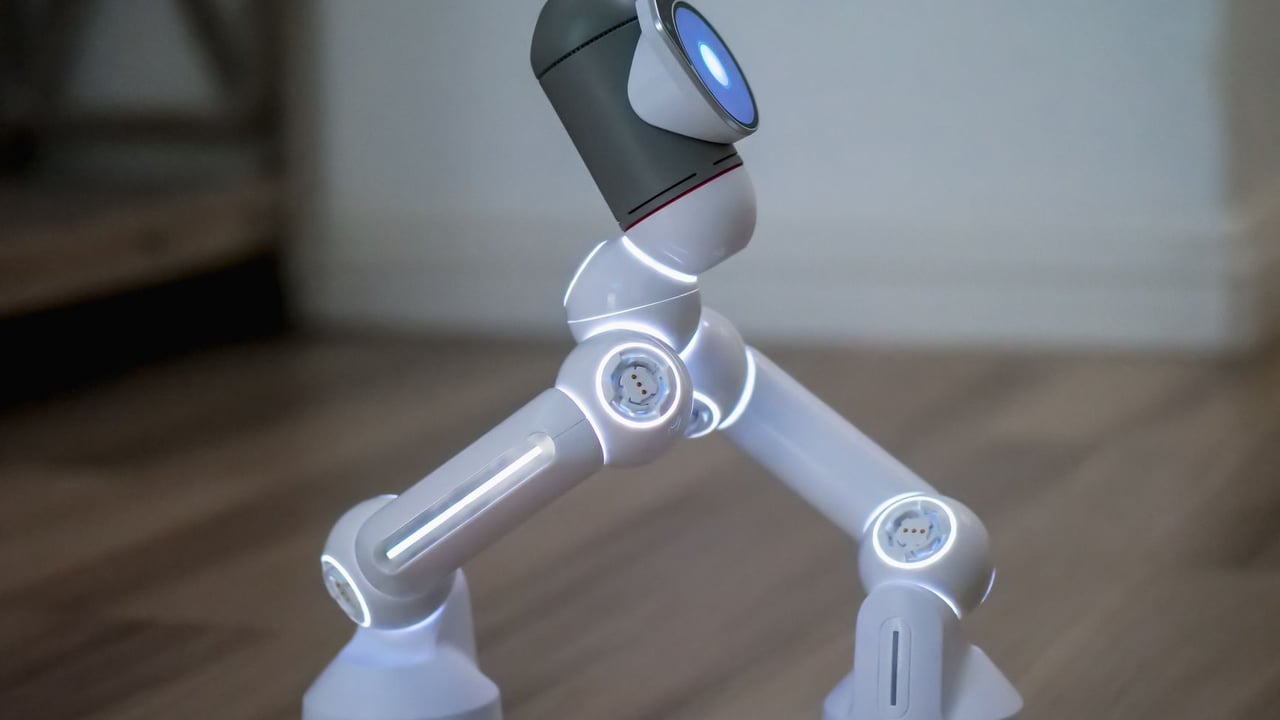
Photo by Kindel Media on Pexels
The Brief
A specialized robotics dealership in Beijing's Yizhuang economic development area is showcasing more than 100 commercial robot models, reflecting China's broader push to transition experimental robotics into everyday consumer environments. Rather than relying on standalone machines, industry models on display highlight multi-device coordination and proactive sensing—such as adjusting home appliances autonomously or retrieving items—signaling a shift toward integrated smart home ecosystems.
Why it matters
The transition of service robotics from exhibition prototypes to commercial retail models in specialized '4S' outlets marks an important step in moving embodied artificial intelligence into real-world consumer spaces, where market adoption hinges on practical interoperability and proactive assistance.
China context
Beijing's Yizhuang Economic and Technological Development Area has positioned itself as a central testing ground and industrial cluster for robotics and intelligent manufacturing, creating integrated experiential venues to foster consumer adoption and commercial deployment.
Editor's View
EDITOR'S VIEW — Analysis and inference, not factual reporting.
While commercial showcases highlight ambitious visions of seamless human-robot coexistence, significant hurdles remain before proactive multi-robot household coordination becomes mainstream. Interoperability across differing manufacturer ecosystems, high hardware costs, and strict privacy safeguards for ambient sensory data will determine whether such integrated retail concepts translate into widespread domestic adoption.
What to watch
- Commercial sales volumes and consumer adoption rates stemming from dedicated robotics retail outlets like the Yizhuang 4S store
- Development of unified communication protocols and data privacy standards for multi-device household robotic ecosystems
- Expansion of brand partnerships and retail locations targeting everyday residential consumers
Key Takeaways
- 1A dedicated robotics '4S' store in Beijing's Yizhuang district features over 100 robot models available as commercial products.
- 2Showcased technologies emphasize proactive assistance and multi-device coordination rather than isolated single-task machines.
- 3The retail initiative highlights China's industrial push to accelerate commercialization and consumer familiarization with embodied AI.
Robotics developers in China are accelerating efforts to move embodied intelligence from specialized research laboratories into residential spaces, emphasizing proactive sensing and cross-device cooperation.
At a specialized robotics retail store located in Beijing's Yizhuang area, more than 100 distinct robot models have transitioned from mere exhibition prototypes into commercial consumer goods, according to reports by China News Service. The venue, structured similarly to an automotive 4S dealership that handles sales, service, spare parts, and surveys, allows prospective buyers and international visitors to test various domestic and commercial machines.
Demonstrations at the hub point toward an evolving paradigm in household robotics. Rather than introducing a single general-purpose humanoid to handle all domestic chores, developers are increasingly focusing on interconnected environments where ambient devices collaborate autonomously. Tasks highlighted in recent showcases range from fetching deliveries and offering water to detecting physical cues—such as adjusting indoor climate settings when an occupant sneezes.
The interactive format has also served as a window for international observers assessing China's robotics supply chain. Visitors attending the Yizhuang showroom noted that the responsiveness and physical capability of the showcased models reflect rapid technological refinement in commercial service robotics.
Despite the visual appeal of these retail demonstrations, broad consumer adoption across domestic households will require overcoming technical and economic friction. Integrating multiple sensors and robotic units throughout a home requires standardized communication protocols across competing manufacturers, as well as robust edge-computing security to address data privacy concerns related to constant spatial and behavioral monitoring.
Sources
- 你好 机器人丨“眼里有活”的机器人,离我们还有多远?-中新网视频 — China News Service · 8/16/2026
- 有“眼力见儿”的机器人惊艳老外:水平非常高!-中新网视频 — China News Service · 8/16/2026