
Policy & RegulationAnalysis
China Issues 15th Five-Year Plan for Civil Aviation Development
Jointly issued by key ministries, the roadmap targets world-class infrastructure and safety by 2030 while prioritizing low-altitude aviation and carbon trading.
Share
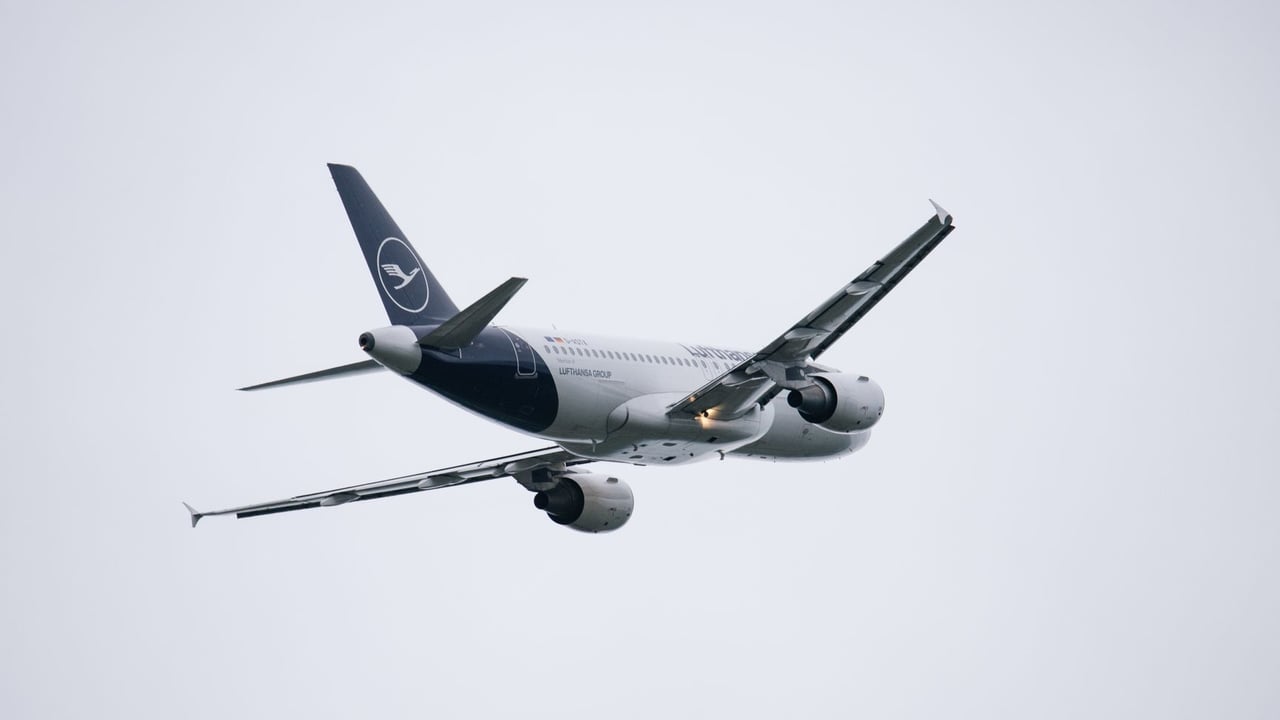
Photo by Bastian Riccardi on Pexels
The Brief
China's aviation and economic authorities have published the official 15th Five-Year Plan for Civil Aviation Development, establishing core policy targets for the industry through 2030. Jointly issued by the Civil Aviation Administration of China (CAAC), the National Development and Reform Commission (NDRC), and the Ministry of Transport, the blueprint sets ambitious goals to elevate safety standards, service capacity, and infrastructure to premier international levels. The plan introduces six major structural systems, placing new strategic focus on low-altitude aviation, smart infrastructure retrofits, technological self-reliance, and the establishment of an aviation carbon market.
Why it matters
The plan marks a structural shift in China's aviation strategy from rapid capacity expansion to quality-driven, green, and technological growth. By elevating low-altitude civil aviation, digital infrastructure, and carbon trading into key system priorities, the policy creates a clear regulatory framework that will directly influence investments across commercial airlines, airport construction, drone technology, and sustainable aviation fuel (SAF) development.
China context
In line with Beijing's top-level policy directives on developing "new quality productive forces" and achieving carbon neutrality goals, transport planners are seeking to modernize industrial supply chains and unlock new economic growth drivers. The joint issuance by economic planning, transport, and civil aviation authorities highlights high-level coordination to balance safety, airspace reform, and low-altitude economy integration.
Editor's View
EDITOR'S VIEW — Analysis and inference, not factual reporting.
The roadmap provides high-level policy certainty for domestic civil aviation, but key implementation challenges lie ahead. Expanding the low-altitude economy will require significant progress in low-altitude airspace management and safety monitoring. Simultaneously, launching an aviation carbon market and transitioning toward sustainable fuels will test industry compliance costs at a time when global airlines face ongoing cost pressures.
What to watch
- Follow-up implementation guidelines from the CAAC and related ministries on low-altitude civil aviation governance and airspace allocation.
- Project announcements and investment details regarding airport digital retrofits and smart traffic management systems.
- Pilot framework details for integrating civil aviation into China's broader carbon market and timelines for sustainable aviation fuel adoption.
Key Takeaways
- 1The CAAC, NDRC, and Ministry of Transport jointly released the 15th Five-Year Plan for Civil Aviation Development.
- 2China aims for its civil aviation safety, infrastructure, and service levels to reach top international standards by 2030.
- 3The roadmap establishes six core systems, prioritizing low-altitude aviation safety, digital infrastructure upgrades, and an aviation carbon market.
China has published its civil aviation development roadmap for the 15th Five-Year Plan period, targeting world-class status across infrastructure, safety standards, and service performance by 2030. According to official announcements reported by Xinhua News Agency, the comprehensive plan was jointly formulated and issued by the Civil Aviation Administration of China (CAAC), the National Development and Reform Commission (NDRC), and the Ministry of Transport.
The document highlights the 15th Five-Year Plan period as a pivotal phase for solidifying China's modernization drive and building out its national transport network. Under the directive, the civil aviation sector will focus on high-quality growth driven by digital transformation, green transition, and industrial integration, moving away from past reliance on sheer scale expansion while maintaining a strict bottom line on operational safety.
To fulfill these targets, the regulatory framework lays out six foundational system pillars:
First, constructing a robust aviation safety guarantee system that focuses on mitigating major operational risks, strengthening regulatory supervision, and ensuring absolute safety for flights and passengers.
Second, building a high-efficiency transport service network that supports both mass domestic travel and international connectivity, bolstering domestic demand and high-level market openness.
Third, advancing a coordinated infrastructure network that prioritizes digital upgrades, smart capacity expansion, and sustainability for existing assets, explicitly warning against redundant or excessive construction.
Fourth, establishing an autonomous and controllable innovation ecosystem. This pillar explicitly prioritizes the safe growth of low-altitude civil aviation, accelerates technological self-reliance, and promotes digital intelligence to foster new quality productive forces.
Fifth, creating a sustainable green development framework structured around China's dual-carbon strategy. Key measures include the orderly replacement of traditional fossil fuels, technical innovation in clean energy, and the creation of an aviation carbon trading market.
Sixth, improving sector governance by balancing market mechanisms with government oversight, deepening market reforms, and expanding international civil aviation cooperation.
The joint agency release establishes a binding roadmap for local civil aviation authorities, airlines, airport operators, and aerospace suppliers through the end of the decade.
Sources
- 《民用航空发展“十五五”规划》印发 — Xinhua News Agency · 8/7/2026
- 《民用航空发展“十五五”规划》发布 — State Council of China · 8/8/2026