
Policy & RegulationAnalysis
China Directs Advanced Manufacturing Drive to Secure Industrial Chains
Top leadership calls for smart, green manufacturing while ordering action against disorderly domestic competition.
Share
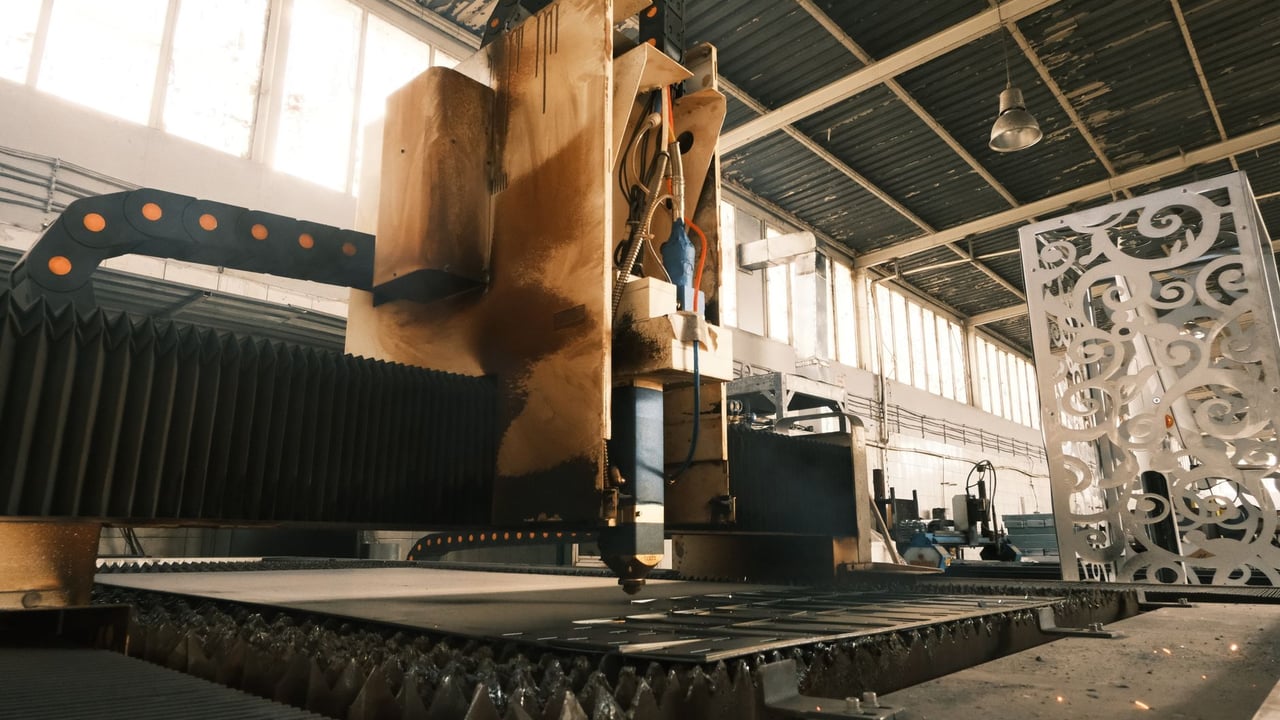
Photo by Cemrecan Yurtman on Pexels
The Brief
At a national conference in Beijing, Chinese leadership delivered directives to accelerate the expansion of advanced manufacturing and strengthen supply chain autonomy. President Xi Jinping stressed modernizing industrial systems through intelligent, green, and integrated production, while Premier Li Qiang prioritized an "AI + Manufacturing" push and technological self-reliance. Vice Premier Zhang Guoqing underscored the need to implement targeted supply-chain upgrades while reining in disorderly, irrational competition among manufacturers.
Why it matters
The high-level gathering signals that advanced manufacturing and supply chain security remain central to Beijing's broader economic strategy. Beyond promoting intelligent production and regional clusters, leadership explicitly targeted irrational, cutthroat price competition across manufacturing subsectors, signaling potential regulatory scrutiny and standard-setting designed to stabilize industry margins and capital expenditure.
China context
Faced with external technological export curbs and intense domestic price competition across emerging industries, Beijing is pursuing a dual mandate of high-quality growth and high-level security. By deepening artificial intelligence integration, upgrading traditional sectors, and advancing core components, authorities aim to insulate critical value chains while shifting domestic industry away from low-margin overcapacity.
Editor's View
EDITOR'S VIEW — Analysis and inference, not factual reporting.
The explicit instruction to curb disorderly and irrational competition is the most actionable signal for market observers. Following months of margin compression across sectors like clean tech and automotives, leadership appears increasingly focused on establishing national standards and curbing destructive price wars without stifling industrial momentum.
What to watch
- Follow-up implementation measures and targeted funding from the MIIT and NDRC concerning the "AI + Manufacturing" action plan.
- Regulatory moves by state market regulators and industrial ministries to curb price wars and disorderly competition in key manufacturing sectors.
- Provincial industrial cluster initiatives and pilot projects emerging from manufacturing hubs such as Jiangsu and Hubei.
Key Takeaways
- 1President Xi Jinping instructed authorities to strengthen advanced manufacturing and bolster supply chain self-reliance.
- 2Premier Li Qiang emphasized next-generation smart manufacturing, digital empowerment, and the expansion of the "AI + Manufacturing" campaign.
- 3Vice Premier Zhang Guoqing called for standard-setting and decisive efforts to curb disorderly, irrational competition across manufacturing segments.
- 4Officials from the MIIT, NDRC, SASAC, Jiangsu, and Hubei delivered presentations during the national conference.
Chinese leadership called for sustained efforts to expand advanced manufacturing and fortify supply chain autonomy at the National Advanced Manufacturing Conference held in Beijing, according to state media reports.
In instructions delivered to the conference, President Xi Jinping stated that China must balance high-quality development with high-level security. He urged the manufacturing sector to adhere to smart, green, and integrated development pathways, build an advanced manufacturing backbone for the modern industrial system, and consolidate the foundations of the real economy to advance Chinese modernization.
Premier Li Qiang, who addressed the conference, described advanced manufacturing as an essential strategic priority. Li urged industries to pursue next-generation intelligent manufacturing, focus on high-end self-reliance, and implement lower-carbon practices. He called for a deeper rollout of the "AI + Manufacturing" initiative, urging stronger government guidance and support for enterprise digital transformation alongside investments in smart hardware and software foundations. Li also highlighted the need to scale emerging industries, plan for future sectors, and cultivate advanced manufacturing clusters tailored to regional strengths.
Concluding the conference, Vice Premier Zhang Guoqing emphasized urgent implementation across key supply chains. Zhang instructed officials to build high-quality technical standards, support companies facing operational headwinds, and tackle "disorderly and irrational competition" within the sector, pointing to the need for a healthier market ecosystem.
The two-day teleconference drew participation from central ministries, regional governments, state-owned enterprises, and financial institutions, with representatives from the Ministry of Industry and Information Technology, the National Development and Reform Commission, the State-owned Assets Supervision and Administration Commission, and the provincial governments of Jiangsu and Hubei presenting reports.
Sources
- 习近平就发展先进制造业作出重要指示 — Securities Times · 9/17/2026
- 习近平就发展先进制造业作出重要指示 — State Council of China · 9/17/2026
- 习近平就发展先进制造业作出重要指示 - 中国军网 — China Military Online · 9/17/2026