
Technology & AIAnalysis
China Approves Plant-Derived Recombinant Albumin Produced from Rice
Developed by Wuhan University researchers, the bio-manufactured drug offers an alternative to plasma-derived therapies.
Share
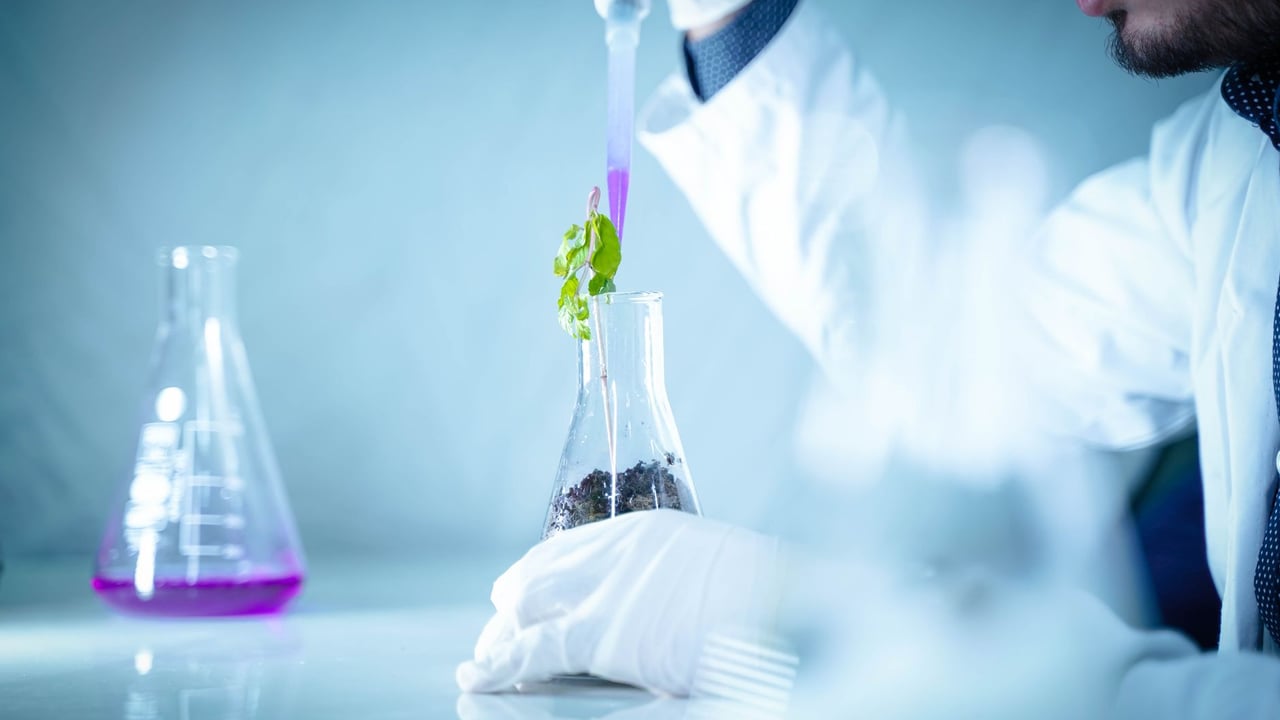
Photo by Mehul Patel on Pexels
The Brief
China's drug regulator has approved the country's first plant-derived recombinant human serum albumin injection, produced using genetically modified rice endosperm as a bioreactor. Developed by Wuhan University professor Yang Daichang and commercialized by Wuhan Healthgen Biotechnology, the biopharmaceutical provides a non-plasma alternative to plasma-extracted albumin, a critical medical protein long constrained by plasma supply shortages and import dependency. With commercial facilities completed in Wuhan's East Lake High-tech Development Zone, the extraction process yields the equivalent of one liter of human plasma albumin from five kilograms of rice.
Why it matters
Human serum albumin is essential in critical care, but global supply has historically relied strictly on donated human plasma. Successfully scaling recombinant albumin from rice demonstrates the practical viability of plant-based biomanufacturing for critical injectables, providing a non-plasma route to ease structural blood product shortages.
China context
China faces persistent domestic plasma collection constraints, leaving hospitals reliant on imported human serum albumin for roughly half or more of domestic consumption. Developing alternative bio-manufacturing routes directly addresses supply chain security in basic biopharmaceuticals, aligning with national priorities in synthetic biology and biotechnology commercialization in hubs like Wuhan.
Editor's View
EDITOR'S VIEW — Analysis and inference, not factual reporting.
While the regulatory green light confirms safety and biochemical equivalency under clinical evaluation, the real test lies in bioprocessing economics and market adoption. Plant-made pharmaceuticals have historically struggled with downstream purification costs and physician hesitancy compared to established plasma fractionation products. How Healthgen navigates national reimbursement negotiations and hospital procurement protocols will determine if rice-derived proteins can genuinely displace legacy blood products at scale.
What to watch
- Ramp-up timeline and yield consistency at Healthgen's Phase II production facility in Wuhan
- Inclusion and pricing dynamics in China's national centralized procurement or medical insurance catalog
- Overseas clinical trials and regulatory filings in markets such as the United States and Europe
Key Takeaways
- 1China's National Medical Products Administration approved a plant-derived recombinant human serum albumin injection in July 2025 via priority review.
- 2The biomanufacturing platform, developed by Wuhan University's Yang Daichang, uses rice endosperm cells as molecular bioreactors.
- 3Five kilograms of processed rice yields an amount of recombinant albumin equivalent to one liter of human plasma.
- 4Healthgen Biotechnology has completed its Phase II commercial production base in Wuhan's East Lake High-tech Development Zone.
Chinese regulators have granted market approval to a plant-derived recombinant human serum albumin injection, marking a significant milestone in plant-based biomanufacturing, according to a report by People's Daily. The therapeutic was cleared in July 2025 by the National Medical Products Administration under a priority review procedure, establishing a non-plasma production route for one of the medical sector's most widely used emergency and critical-care injectables.
Human serum albumin is a critical protein found in blood plasma, used clinically to rapidly restore blood volume and maintain oncotic pressure. Historically, global supply has been strictly dependent on human blood plasma collection, leading to persistent domestic supply shortfalls and heavy reliance on overseas imports in China.
The bioengineered alternative was developed by a team led by Yang Daichang, a professor at Wuhan University who began working on the technology in 2005 alongside four doctoral students. The manufacturing platform introduces the human protein gene into rice endosperm cells, leveraging the cereal crop's eukaryotic protein processing mechanisms to translate, fold, and modify complex recombinant proteins. Following harvest, the grain undergoes dehusking, milling, chromatography, and purification. According to Yang, five kilograms of processed rice yields an amount of purified recombinant albumin equivalent to the yield extracted from one liter of human blood plasma.
Development required dozens of iterations before reaching human testing. In 2017, after 37 successive formulation designs, the therapy advanced to clinical trials, during which Yang received a 10-gram injection of the experimental protein to demonstrate confidence in its safety profile.
Commercial production is centered at Wuhan Healthgen Biotechnology Co., Ltd., based in the Wuhan East Lake High-tech Development Zone. The company has completed construction of its Phase II industrialization base, which is designed to scale output and support diversified product lines. While regulatory clearance validates the technical platform, long-term commercial impact will depend on cost parity with plasma-derived products and hospital procurement uptake.
Sources
- 水稻田里“长”出黄金救命药 --经济·科技--人民网 — People's Daily · 9/1/2026