
Business & IndustryAnalysis
China's CS35 Turboshaft Engine Completes Maiden Flight on Qizhi-5 UAV
The 350 kW domestic engine powered a 1.5-ton tiltrotor drone, marking a key milestone for China's low-altitude aviation supply chain.
Share
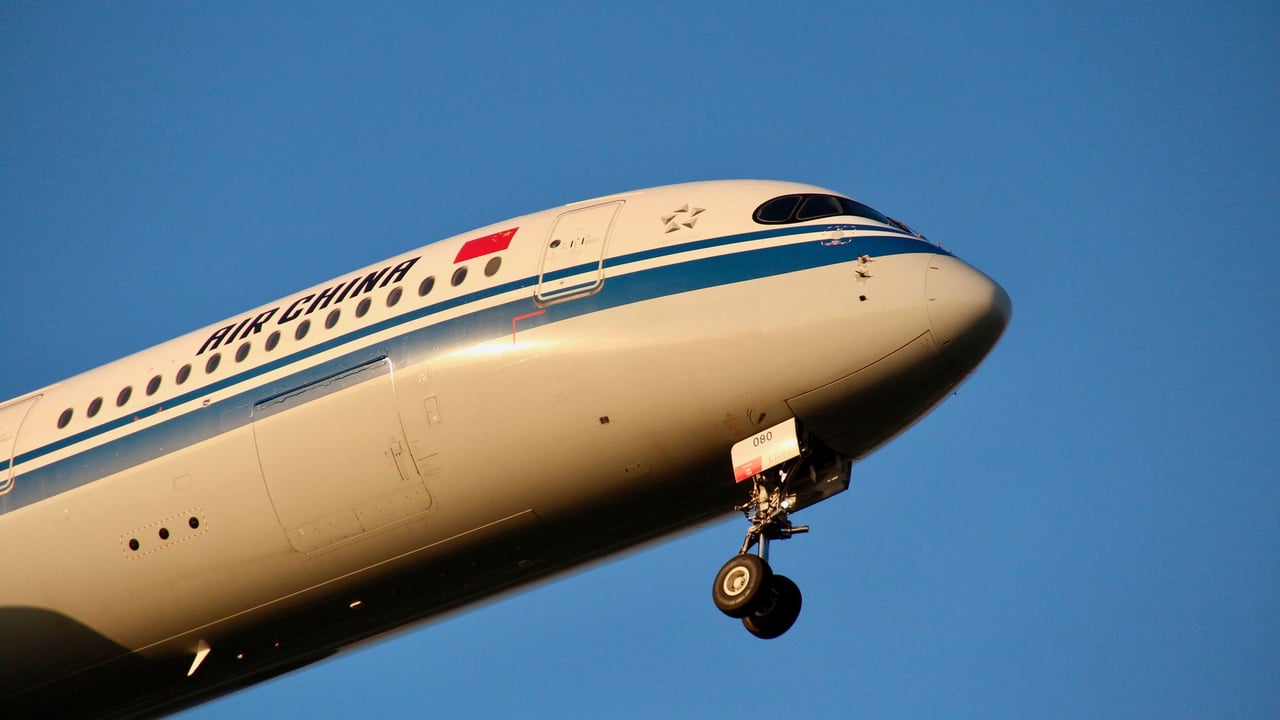
Photo by Anderson Wei on Pexels
The Brief
A proprietary 350-kilowatt turboshaft engine developed by a subsidiary of the Aero Engine Corporation of China (AECC) has successfully powered the maiden flight of a 1.5-tonne tiltrotor uncrewed aerial vehicle (UAV). The Qizhi-5 drone, developed by a university spin-off enterprise, completed hovering, maneuvering, and landing tests with stable performance parameters, according to China News Service. The milestone follows ground ignition tests in February 2026 and tethered flight tests in May 2026.
Why it matters
The test flight validates the integration of domestically produced turboshaft engines into tiltrotor aircraft platforms. Developing domestic 300–500 kW propulsion systems addresses a critical technological gap in China's general aviation industry, facilitating localized supply chains for uncrewed cargo logistics, aerial sightseeing, and specialized emergency operations.
China context
China's central and local governments have designated the low-altitude economy as a strategic emerging industry. The partnership between AECC Light Power and Nanjing Qizhi Aviation highlights a growing national emphasis on university-industry research collaboration to accelerate the commercialization of advanced aerospace hardware.
Editor's View
EDITOR'S VIEW — Analysis and inference, not factual reporting.
While successful maiden flights demonstrate technical feasibility, key challenges remain before widespread adoption. Airworthiness certification for both the CS35 engine and the Qizhi-5 platform will require extensive testing, while mass-production cost controls will determine long-term competitiveness against domestic and international hybrid power options.
What to watch
- Airworthiness certification timeline for the CS35 engine and Qizhi-5 UAV platform.
- Pilot commercial deployment projects in cargo logistics and special operations.
- Further expansion of AECC's 300–500 kW general aviation engine product lineup.
Key Takeaways
- 1AECC's CS35 350 kW turboshaft engine successfully completed its maiden flight powering the 1.5-tonne Qizhi-5 tiltrotor UAV.
- 2The Qizhi-5 UAV features a max speed of 450 km/h, 300 kg payload, and 1,900 km range.
- 3The flight test verified the aircraft's aerodynamic layout, propulsion, and flight control systems.
- 4AECC plans to develop a family of 300–500 kW general aviation engines in collaboration with university researchers.
A proprietary 350-kilowatt turboshaft engine developed by AECC Light Power, a subsidiary of the state-owned Aero Engine Corporation of China, has successfully completed its maiden flight powering a 1.5-tonne tiltrotor uncrewed aerial vehicle (UAV), state-affiliated China News Service reported on August 3, 2026.
During the flight test, the Qizhi-5 tiltrotor drone completed a full series of flight maneuvers, including vertical takeoff, hovering, controlled flight maneuvers, and precision landing. According to reporting by China News Service, all flight parameters met technical standards, verifying the reliability and integration of the aircraft's aerodynamic layout, power plant, and flight control systems.
The Qizhi-5 drone was built by Nanjing Qizhi Aviation Technology Co., Ltd., an enterprise formed to commercialize research achievements from Nanjing University of Aeronautics and Astronautics. The 1.5-tonne aircraft boasts a maximum flight speed of 450 kilometers per hour, a maximum payload capacity of 300 kilograms, and an operational flight range of 1,900 kilometers, combining vertical takeoff capabilities with high-speed cruise performance.
The underlying CS35 turboshaft engine utilizes a modular unit design intended to enhance operational maintainability in the field. Intended for uncrewed freight transport, low-altitude tourism, and emergency special operations, the engine reached this flight milestone through a structured development timeline. AECC Light Power initially signed an order of intent with Nanjing Qizhi Aviation at the Asian General Aviation Exhibition in November 2025. This was followed by successful ground ignition and run tests in Chuzhou, Anhui province, in February 2026, and initial tethered flight trials in May 2026.
An AECC Light Power official indicated that the engine manufacturer will expand its collaboration with Nanjing University of Aeronautics and Astronautics to refine performance and pursue cost-reduction strategies. The company aims to build a portfolio of general aviation powerplants ranging from 300 to 500 kilowatts to support China's expanding low-altitude economy.
Sources
- Com — China News Service · 8/3/2026