
Policy & RegulationAnalysis
China Customs Streamlines Multimodal Logistics to Support Private Exporters
Targeted regulatory measures and intermodal corridors reduce transit costs and inspection delays for China's private trading firms.
Share
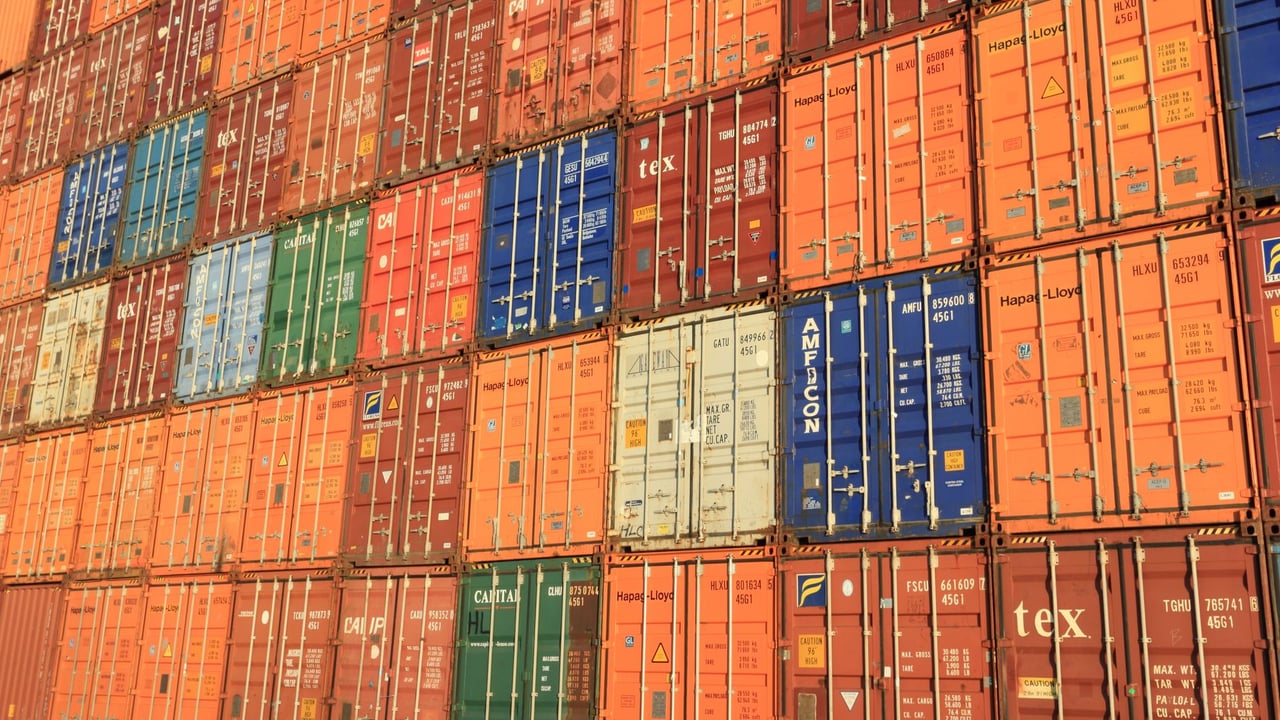
Photo by Pixabay on Pexels
The Brief
China's customs authorities are expanding intermodal logistics corridors and fast-track inspection procedures to support private enterprises, which accounted for 17.16 trillion yuan—nearly 60% of national foreign trade—in the first seven months of the year. Recent operational reforms highlighted by the General Administration of Customs include air-sea transit hubs in the Greater Bay Area, single-filing rail-sea corridors in Shanghai, and reducing safety inspection times for lithium battery exports from 48 hours to 30 minutes.
Why it matters
Private enterprises represent the core engine of China's export economy, generating nearly six out of every ten yuan in foreign trade. Amid softer global demand and geopolitical headwinds, lowering logistics friction through faster border clearance and multimodal shipping directly preserves operating margins for cost-sensitive manufacturers.
China context
Beijing is modernizing its customs infrastructure by shifting from traditional checkpoint-based physical inspections to integrated digital monitoring and seamless inland-to-sea corridors. Linking interior railway networks directly to coastal container terminals in the Yangtze River Delta and Greater Bay Area is central to national plans to enhance regional supply chain resilience.
Editor's View
EDITOR'S VIEW — Analysis and inference, not factual reporting.
The procedural improvements announced by customs officials underscore how Chinese trade policy is focusing on micro-level logistics efficiency. While macroeconomic stimulus remains measured, administrative measures that cut transshipment costs by 20% and compress battery testing windows offer practical operational relief to export-oriented private manufacturers.
What to watch
- Replication of Shanghai's single-declaration 'release upon departure' sea-rail freight model across other major ports such as Ningbo-Zhoushan and Qingdao.
- Further expansion of the Greater Bay Area's linked-port routes beyond the current 75 corridors.
- Potential expansion of accelerated safety inspection mechanisms to other high-growth export goods, including electric vehicles and photovoltaic equipment.
Key Takeaways
- 1Private firms accounted for 17.16 trillion yuan, nearly 60% of China's foreign trade, in the first seven months of the year.
- 2Sea-rail container transshipment times have dropped below 30 minutes at key ports, lowering comprehensive transfer expenses by 20%.
- 3Quality and safety evaluation procedures for export lithium batteries were reduced from 48 hours to 30 minutes.
- 4Shanghai Customs deployed a single-filing 'release upon departure' multimodal transport model to eliminate duplicate checks.
Private enterprises accounted for 17.16 trillion yuan (approximately $2.4 trillion) of China's foreign trade in the first seven months of the year, representing nearly 60 percent of the country's total trade volume of over 30 trillion yuan, state media reported citing customs data.
To cushion private firms against external trade headwinds, customs administrations across China have rolled out targeted procedural adjustments designed to eliminate logistics bottlenecks and reduce storage expenses.
In southern China, Huangpu Customs partnered with the Dongguan-Hong Kong International Airport Center to establish an air-sea intermodal route for perishable food imports. Under the arrangement, high-value chilled seafood landed at Hong Kong International Airport transfers directly via cold-chain barges to Dongguan for customs clearance. Supported by a dedicated green channel, the combined process cut overall clearance time from flight arrival to release by roughly 25 percent.
In eastern China, Shanghai Customs launched a multimodal sea-rail transit model connecting inland rail links with coastal terminals at Waigaoqiao. Under the system, exporters submit a single multimodal declaration at their departure point, completing digital clearance and inspection procedures in one step. Cargo containers move directly from rail wagons to container vessels without intermediate devanning or duplicate customs declarations. Li Xingzhen, an official at Waigaoqiao customs, noted that the model provides continuous container transit, supporting an operation where Shanghai's sea-rail volume exceeded 1 million standard containers (TEUs) in 2025.
At a national level, General Administration of Customs Vice Minister Zhang Baofeng reported that intermodal transfer times between rail and sea containers have been compressed to under 30 minutes at multiple ports, reducing comprehensive transshipment costs by approximately 20 percent. Additionally, mandatory safety evaluation procedures for export lithium batteries have been shortened from 48 hours to 30 minutes, while the Greater Bay Area's linked-port water routes have expanded to 75 lines to speed cargo dispersion.
Sources
- 解难题、送政策,看民营企业如何轻装出海--经济·科技--人民网 — People's Daily · 8/30/2026