
Policy & RegulationAnalysis
China Opens Pinglu Canal in Guangxi to Bolster Southwestern Trade Route
Vice Premier Ding Xuexiang launched navigation on the waterway connecting Nanning to the Beibu Gulf after four years of construction.
Share
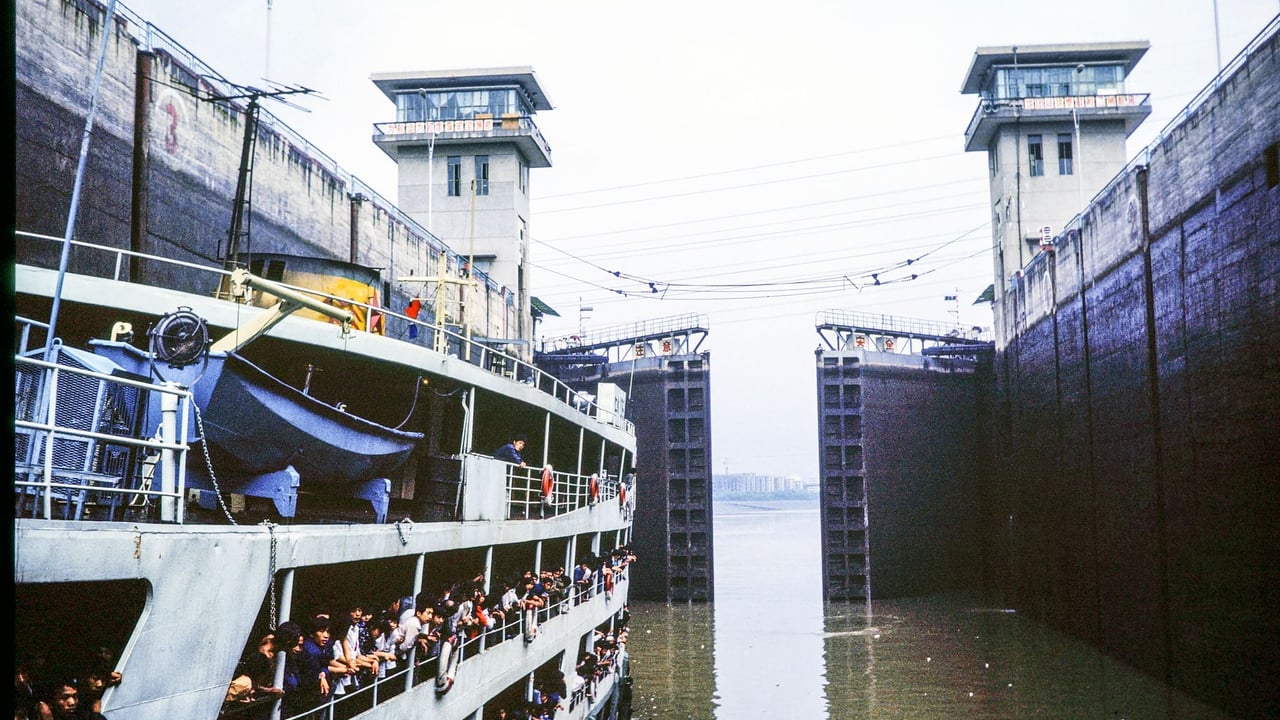
Photo by pierre matile on Pexels
The Brief
China has officially opened the Pinglu Canal to navigation following four years of construction, state media reported. Vice Premier Ding Xuexiang declared the canal open during a ceremony at the Madao Hub in Qinzhou, Guangxi, on September 16. Designed as a backbone project for the New International Land-Sea Trade Corridor, the waterway links Guangxi's regional capital of Nanning directly with the Beibu Gulf. Beijing intends for the route to optimize river-rail-sea multimodal logistics, reduce transit costs for southwestern provinces, and deepen economic connectivity with the Association of Southeast Asian Nations (ASEAN).
Why it matters
The completion of the Pinglu Canal provides China's landlocked southwest with a direct river-to-sea shipping route to the Beibu Gulf, bypassing longer traditional journeys through the Pearl River Delta. By cutting transport times and lowering bulk freight costs, the waterway is intended to accelerate industrial development across western China and reinforce trade channels linking inland provinces with Southeast Asian markets.
China context
The canal represents the flagship engineering project of the New International Land-Sea Trade Corridor, an initiative aimed at integrating western provinces into regional maritime trade networks. The high-profile attendance of Vice Premier Ding Xuexiang underscores the central leadership's priority on infrastructure that serves both domestic supply-chain resilience and cross-border connectivity under the Belt and Road Initiative.
Editor's View
EDITOR'S VIEW — Analysis and inference, not factual reporting.
While the completion of the canal within four years demonstrates formidable engineering execution, its economic return will depend on actual logistics integration. The primary operational test will be whether regional freight volumes shift smoothly from existing coastal and river channels to this new route, and whether the Beibu Gulf's port facilities and rail links can handle the influx of multimodal cargo without bottlenecks.
What to watch
- Initial freight throughput figures and vessel transit efficiency following opening
- Coordination between river shipping, railway connections, and deep-sea container terminals at Beibu Gulf ports
- Shifts in bulk commodity routing from western interior provinces toward Southeast Asian destinations
Key Takeaways
- 1Vice Premier Ding Xuexiang declared the Pinglu Canal open to traffic at the Madao Hub in Qinzhou, Guangxi, on September 16.
- 2The project was completed after four years of construction, connecting Nanning directly to the Beibu Gulf.
- 3The canal serves as a primary backbone component of China's New International Land-Sea Trade Corridor.
- 4Officials emphasized upcoming operational priorities, including cargo aggregation, multimodal integration, and trade linkages with ASEAN.
China has officially launched navigation on the Pinglu Canal in the southern autonomous region of Guangxi, establishing a direct inland waterway connection between regional trade hubs and the Beibu Gulf.
Vice Premier Ding Xuexiang, a member of the Standing Committee of the CPC Central Committee Political Bureau, attended the commissioning ceremony at the Madao Hub in the city of Qinzhou on the morning of September 16, according to reports by Xinhua and China Central Television. At 10:25 a.m., Ding declared the canal open to vessel traffic as ships sounded their horns and set sail. Officials from the Guangxi regional government and the Ministry of Transport, alongside construction representatives, delivered remarks at the event.
State media reported that the waterway was completed following four years of construction. Ding noted that General Secretary Xi Jinping had issued repeated directives requiring the project to be built to high standards as a top-tier, environmentally sound, and corruption-free engineering undertaking.
Following the ceremony, Ding inspected the engineering works and boarded a vessel to survey canal operations and coastal ecological protection measures. In his remarks, Ding described the Pinglu Canal as a foundational infrastructure asset for river-rail-sea multimodal transport and a backbone project within the New International Land-Sea Trade Corridor.
Ding emphasized that authorities must now focus on operational efficiency, securing transport capacity, and organizing steady cargo flows to capitalize on land-sea coordination. He also urged local authorities to use the canal's opening to upgrade the international gateway port at the Beibu Gulf, broaden the opening-up of western China, and support national economic circulation.
The canal provides a direct outlet to the sea for Nanning and surrounding southwestern regions. Chinese authorities position the corridor as a strategic catalyst to reinforce connectivity between China and member states of the Association of Southeast Asian Nations under the Belt and Road Initiative.
Sources
- 丁薛祥出席平陆运河通航仪式 — State Council of China · 9/16/2026
- [视频]丁薛祥出席平陆运河通航仪式 — Tv · 9/17/2026