
Policy & RegulationAnalysis
China's Departure Tax Refund Applications Surge Over 500% in Beijing
Digitalized customs procedures and expanding inbound travel fuel a sharp rise in tourist retail spending and domestic brand purchases.
Share
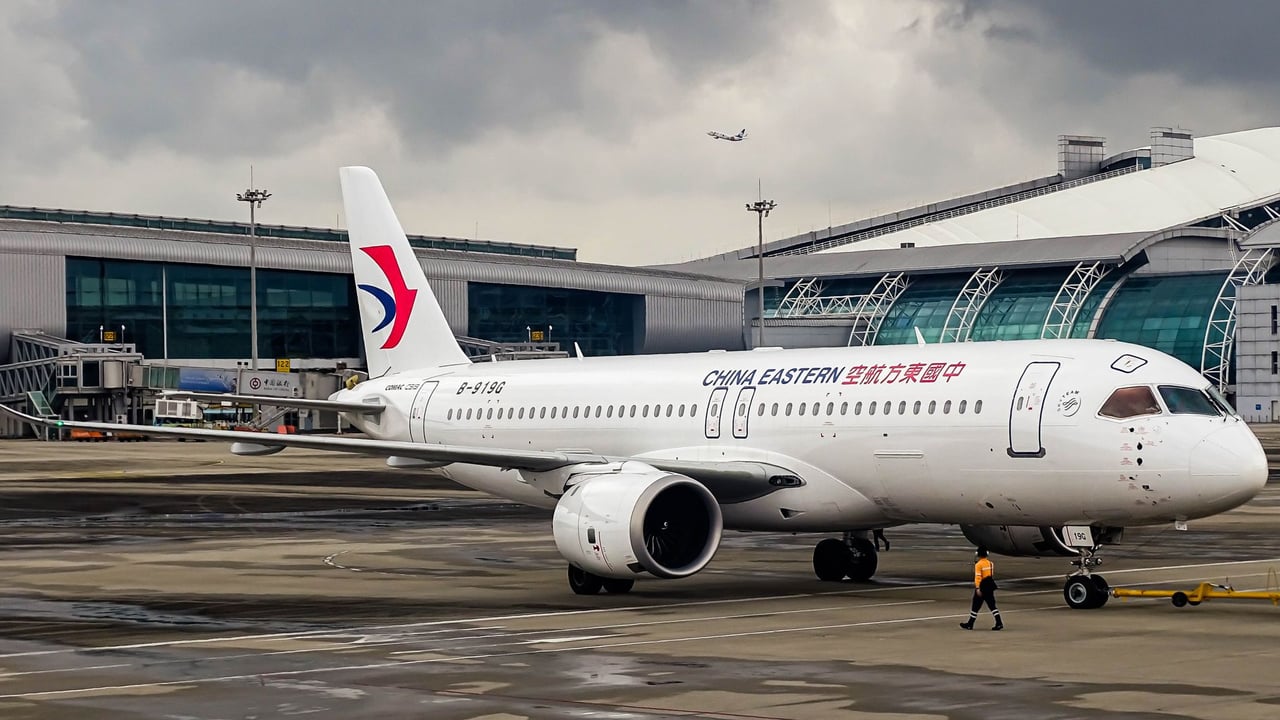
Photo by Linjie Zhang on Pexels
The Brief
Departure tax refund applications at Beijing's two major international airports surged by 516.31% year-on-year in the first seven months of the year, reaching 131,000 processed receipts, according to Beijing Customs data reported by People's Daily. The sharp increase coincides with the rollout of upgraded tax refund regulations on July 1, which introduced fully paperless processing and simplified verification. Inbound travelers are increasingly purchasing domestic technology brands, cultural merchandise, and designer toys alongside traditional luxury goods, reflecting changing tourist spending patterns across key Chinese hubs.
Why it matters
The fivefold surge in tax refund volume highlights the tangible impact of border-opening policies and administrative streamlining on inbound retail consumption. By removing friction from duty-free verification and broadening eligible goods, customs authorities are effectively transforming foreign visitor traffic into direct revenue for domestic consumer brands and retailers.
China context
This retail rebound aligns with China's broader push to expand visa-free entry, optimize foreign digital payment mechanisms, and introduce the 'Departure Tax Refund 2.0' framework. Cities such as Beijing and Nanjing are coordinating customs, tax authorities, and shopping districts to roll out 'buy-now, refund-now' pilots and multilingual support, turning overseas visitor interest into broader domestic market momentum.
Editor's View
EDITOR'S VIEW — Analysis and inference, not factual reporting.
The dramatic growth in tax refund receipts—outpacing total spending growth—indicates that smaller-value transactions are rising rapidly, aided by paperless mobile verification and spot-check systems. Foreign consumer demand is also diversifying beyond traditional luxury luggage and apparel into Chinese consumer electronics and cultural merchandise. As authorities expand 'buy-now, refund-now' programs, the durability of this inbound retail boom will test whether regulatory streamlining can sustain broader retail gains beyond top-tier airport hubs.
What to watch
- Growth trends in departure tax refunds and inbound traveler spending at major Chinese ports through the second half of the year.
- The pace of expanding 'buy-now, refund-now' tax refund pilots to core business districts and accredited retail stores in secondary cities.
- Further deployment of multilingual guidance and automated verification systems across regional customs clearance hubs.
Key Takeaways
- 1Beijing airport customs verified 131,000 tax refund applications in the first seven months, up 516.31% year-on-year.
- 2The total value of claimed tax-refund goods in Beijing reached roughly 1.055 billion yuan, with refunds totaling 131 million yuan.
- 3A modernized refund policy took effect on July 1, introducing paperless electronic verification and spot-check systems for small-value claims.
- 4Foreign tourist purchases showed increased demand for Chinese consumer electronics, cultural goods, and designer toys alongside traditional luggage and apparel.
- 5Nanjing Lukou Airport processed 1,631 refund claims worth 39.14 million yuan over the same seven-month period.
Departure tax refund processing in Beijing's key aviation hubs expanded rapidly during the first seven months of the year, driven by a rebound in inbound tourism and newly implemented paperless customs systems, according to customs data published by People's Daily.
Customs checkpoints at Beijing Capital International Airport and Beijing Daxing International Airport verified 131,000 departure tax refund application receipts between January and July, representing a 516.31% increase compared to the same period last year. The total value of goods subject to refund applications reached approximately 1.055 billion yuan ($147 million), up 45.01% year-on-year, while approved refund amounts rose 50.21% to 131 million yuan.
The surge followed the nationwide rollout of the 'Departure Tax Refund 2.0' policy on July 1. The updated framework replaced manual paper-based inspections with end-to-end digital processing and introduced targeted spot-checks for low-value purchases. Under the new workflow, customs officers scan a traveler's service code to instantly access digital invoices and receipts, substantially cutting passenger processing times.
During July, the first full month under the new system, Beijing Capital Airport Customs handled 13,430 refund claims—a nearly 2.7-fold year-on-year increase—accounting for 117 million yuan in goods and over 14 million yuan in refunds, according to Liang Shu, a customs official at the airport.
Officials noted shifts in overseas purchasing preferences. While traditional apparel and luggage remained popular, foreign travelers increasingly applied for refunds on domestic technology products, including smartphones and headphones, as well as Chinese cultural souvenirs and designer art toys.
Regional hubs outside Beijing also recorded steady increases. Nanjing Lukou International Airport Customs processed 1,631 refund applications totaling 39.14 million yuan in the first seven months of the year, marking year-on-year growth of 145% and 49% respectively, according to Nanjing customs official Zhang Qian. Local authorities have stepped up multilingual on-site guidance and inter-agency coordination to manage the higher throughput.
Sources
- 这个数,飙涨516%!--经济·科技--人民网 — People's Daily · 8/9/2026