
Policy & RegulationAnalysis
China Develops Over 1,000 National and 4,500 Provincial Green Mines
Official figures indicate an expanding network of designated green mining sites as China pursues sustainable mineral resource extraction.
Share
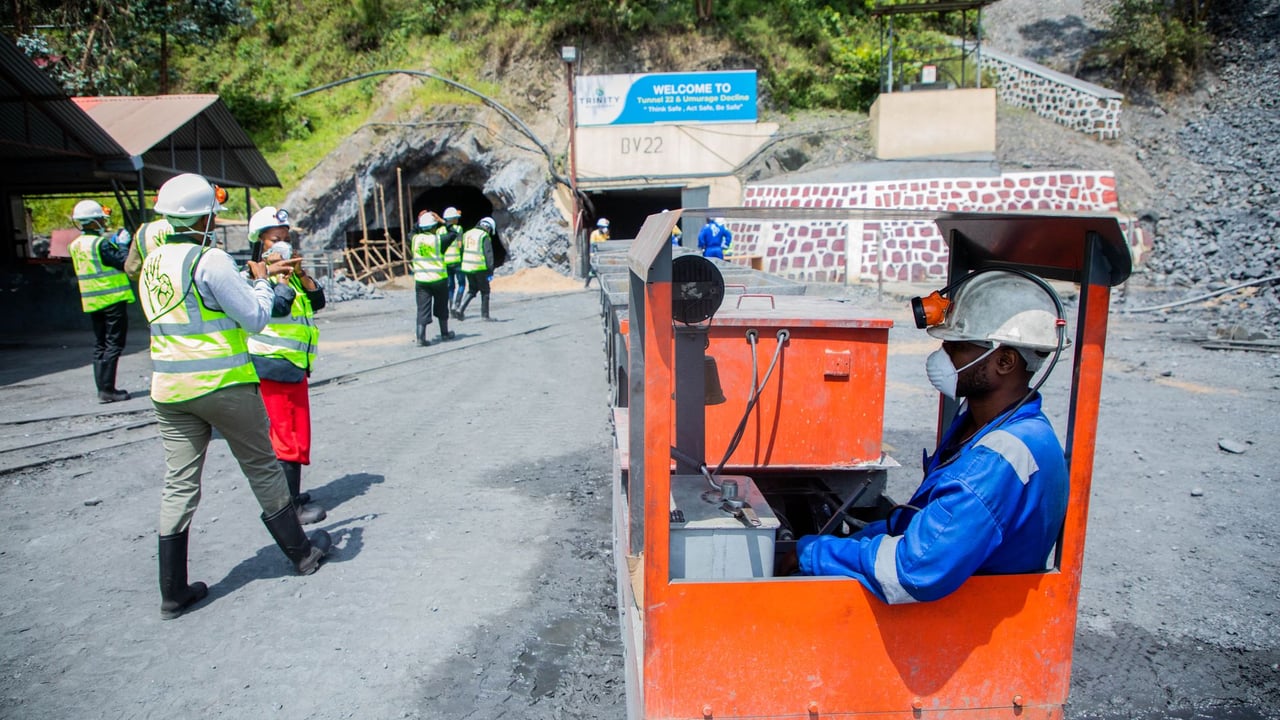
Photo by Safi Erneste on Pexels
The Brief
China has established more than 1,000 national-level green mines and over 4,500 provincial-level green mines, according to state media reports. The figures highlight ongoing efforts by natural resources authorities to transform traditional mining operations through lower emissions and improved ecological protection. The certified sites reflect a multi-tiered regulatory framework aimed at standardizing green benchmarks across the domestic mineral extraction sector.
Why it matters
The development of national and provincial green mines marks tangible progress in balancing domestic resource supply security with ecological governance. Scaling green mining practices is central to curbing industrial pollution, raising extraction efficiency, and ensuring sustainable long-term mineral supplies.
China context
In recent years, Chinese natural resources authorities have sought to align resource security with broader ecological civilization goals. By introducing formal standards and accreditation lists for green mines, policymakers aim to institutionalize environmental oversight across the entire mining life cycle, spanning energy efficiency, solid waste disposal, and land reclamation.
Editor's View
EDITOR'S VIEW — Analysis and inference, not factual reporting.
While headline certification numbers demonstrate significant procedural uptake across national and regional jurisdictions, long-term policy effectiveness hinges on continuous oversight. Analysts will be watching whether regulatory bodies enforce dynamic inspection mechanisms and strip credentials from operations that fail to meet ongoing environmental standards.
What to watch
- Full regulatory updates and detailed policy measures from the Ministry of Natural Resources regarding ecological restoration benchmarks.
- The implementation and transparency of dynamic inspections, including official delisting of non-compliant mines.
- Regional compliance disparities between major western mining hubs and eastern industrial areas.
Key Takeaways
- 1China has developed more than 1,000 national-level and over 4,500 provincial-level green mines, according to official reports.
- 2The multi-tier system seeks to institutionalize environmental oversight, energy conservation, and ecological restoration in the mining sector.
- 3Detailed commodity-level distributions and dynamic review audit results were not fully detailed in the initial release.
China has built more than 1,000 national-level green mines and over 4,500 provincial-level green mines, according to reports published by state media, marking a notable expansion in the country's campaign to align mineral extraction with long-term environmental protection goals.
The figures, reported by People's Daily and carried by China News Service, outline the current reach of China's multi-tiered green mine framework. Under this regulatory architecture, mining operations that meet specific standards in energy efficiency, waste management, environmental rehabilitation, and technological modernization receive formal accreditation at either the provincial or national tier.
The push to certify green mines reflects an ongoing policy imperative to modernize China's vast extraction sector. Traditionally associated with heavy emissions, environmental degradation, and resource fragmentation, domestic mining faces increasing scrutiny under national environmental regulations and broader carbon targets. Central authorities have sought to implement systemic guidelines that govern the full life cycle of mineral resource development.
Provincial administrations have played a primary operational role, accounting for the vast majority of recognized facilities. These provincial designations often serve as a prerequisite for operations seeking eventual elevation to national-level green mine status. To maintain the credibility of the designation, government directives emphasize dynamic oversight, requiring accredited operations to undergo recurring reviews to confirm sustained adherence to ecological benchmarks.
Despite the scale of certified facilities, detailed statistical breakdowns—such as distribution across specific mineral commodities, provincial geographic concentrations, and exact auditing timelines—were not comprehensively disclosed in the initial report. Observers note that assessing the on-the-ground impact of the initiative will depend on future disclosures regarding compliance audits and the frequency of decertifications for underperforming facilities.
Sources
- 我国建成1000余家国家级、4500余家省级绿色矿山 — China News Service · 8/24/2026