
Policy & RegulationAnalysis
China's Early Rice Production Remains Stable in 2026, Statistical Bureau Reports
Agricultural output reached 56.58 billion jin despite adverse weather challenges, underscoring baseline grain security policies.
Share
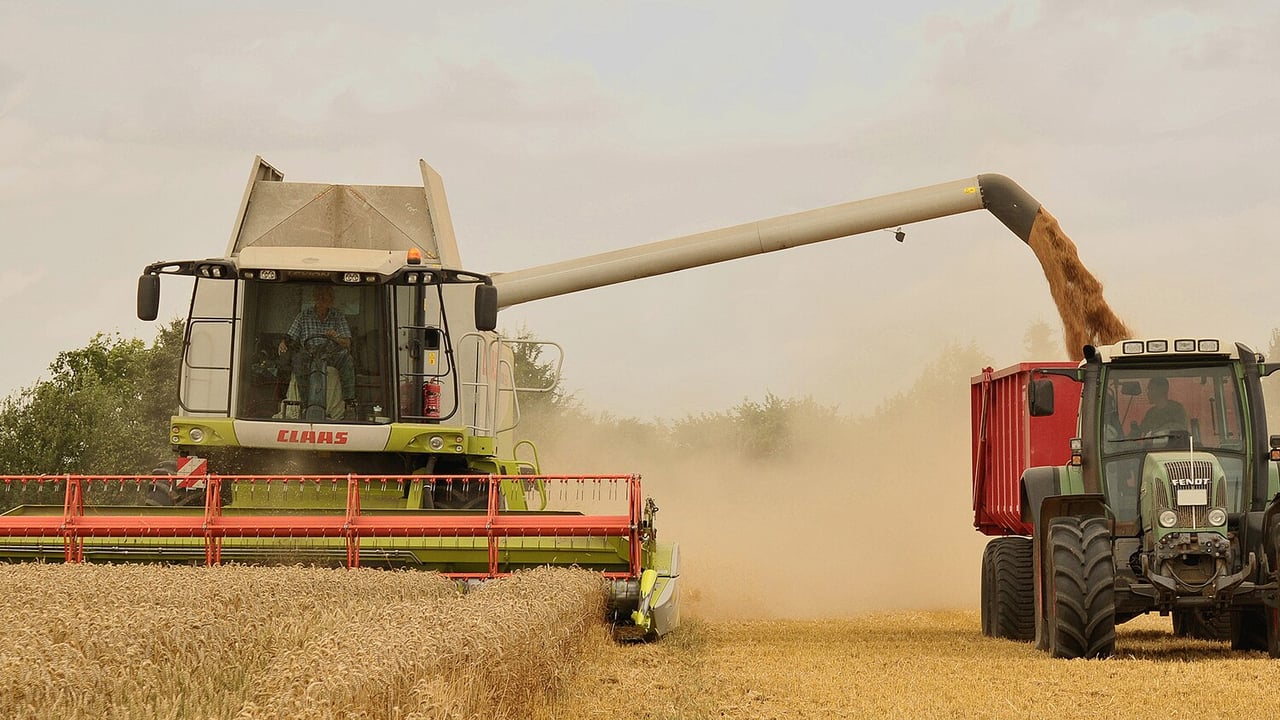
Michael Gäbler via Wikimedia Commons, CC BY-SA 3.0
The Brief
China's early rice harvest maintained overall stability in 2026, according to figures released by the National Bureau of Statistics and reported by China News Service. Total production reached 56.58 billion jin despite regional disruptions caused by heavy seasonal precipitation and typhoon activity. The stable output demonstrates the role of disaster mitigation mechanisms and minimum planting acreage policies in safeguarding staple food supplies between summer and autumn harvests.
Why it matters
While early rice accounts for a smaller proportion of China's annual grain production compared to autumn crops, its harvest provides a critical bridge for domestic grain reserves and price stability. Holding output steady at 56.58 billion jin under adverse meteorological conditions illustrates the effectiveness of state-backed disaster response measures and acreage maintenance mandates.
China context
Agricultural production in southern China regularly faces extreme seasonal risks, particularly summer downpours, regional flooding, and typhoon landfalls. The National Bureau of Statistics relies on standardized sample surveys and physical yield cutting to verify capacity, reflecting Beijing's top-level policy imperative to ensure food security, stabilize staple acreage, and protect domestic food supply chains from climate-driven volatility.
Editor's View
EDITOR'S VIEW — Analysis and inference, not factual reporting.
The resilience of China's early rice harvest indicates that administrative targets and technical mitigation continue to shield core staple outputs from seasonal weather shocks. However, maintaining production floors amidst recurring floods and heatwaves will increasingly test local fiscal resources and infrastructure durability. Global grain observers should assess whether similar stability can be replicated in autumn-harvested crops, which make up the overwhelming majority of China's annual grain volume.
What to watch
- Release of detailed provincial-level acreage, yield, and output data by the National Bureau of Statistics
- Field management conditions and weather mitigation strategies for middle- and late-season rice crops facing autumn weather risks
- Progress of early rice commercial purchasing and state minimum procurement price implementations across major producing provinces
Key Takeaways
- 1National early rice output reached 56.58 billion jin in 2026, maintaining basic stability.
- 2Harvest levels held steady despite seasonal challenges from heavy rainfall and typhoon activity across southern growing hubs.
- 3Agricultural disaster prevention and acreage protection policies helped offset severe weather impacts.
- 4Statistical sampling and yield measurements form the baseline for upcoming provincial reviews and state procurement efforts.
China's early rice harvest remained stable in 2026, producing a national total of 56.58 billion jin despite adverse meteorological conditions, according to data from the National Bureau of Statistics reported by China News Service. The outcome maintains consistent supply levels during the transitional window between the summer grain and major autumn harvests.
The growing season in southern agricultural provinces experienced significant weather disruptions, including localized bouts of severe rainfall and typhoons. These conditions complicated fieldwork, planting schedules, and crop management across several major rice-growing areas. In response, agricultural authorities and local producers utilized emergency drainage, pest control measures, and technical field management to limit yield losses and protect aggregate volume.
Early rice plays a strategic stabilizing role in China's broader grain security framework. Although it represents a smaller share of annual grain output than late-season and single-crop autumn varieties, securing early yields prevents supply crunches in domestic grain markets and helps anchor rural incomes. Maintaining production stability aligns with official directives prioritizing grain self-sufficiency and the preservation of dedicated paddy acreage across traditional producing regions.
Statistical verification relied on standard sampling methods, including direct field cutting and measurement to evaluate post-disaster productivity accurately. The preliminary baseline provides support for state purchasing operations, which establish floor prices and purchase commitments to incentivize continued farmer participation in seasonal rotations.
Attention now turns to the condition of middle- and late-season rice varieties, which represent the bulk of the country's annual rice harvest. Agricultural departments are expected to focus on late-season typhoon defense, drainage maintenance, and soil moisture tracking throughout the late summer to protect full-year grain totals.
Sources
- 国家统计局:2026年我国早稻生产保持稳定 — China News Service · 8/21/2026