
Business & IndustryAnalysis
China Energy Commissions First Three Units at Shuangjiangkou Dam
The project on the Dadu River, featuring a 315-meter dam, brings 1.5 gigawatts of hydro capacity online to bolster regional grid supplies.
Share
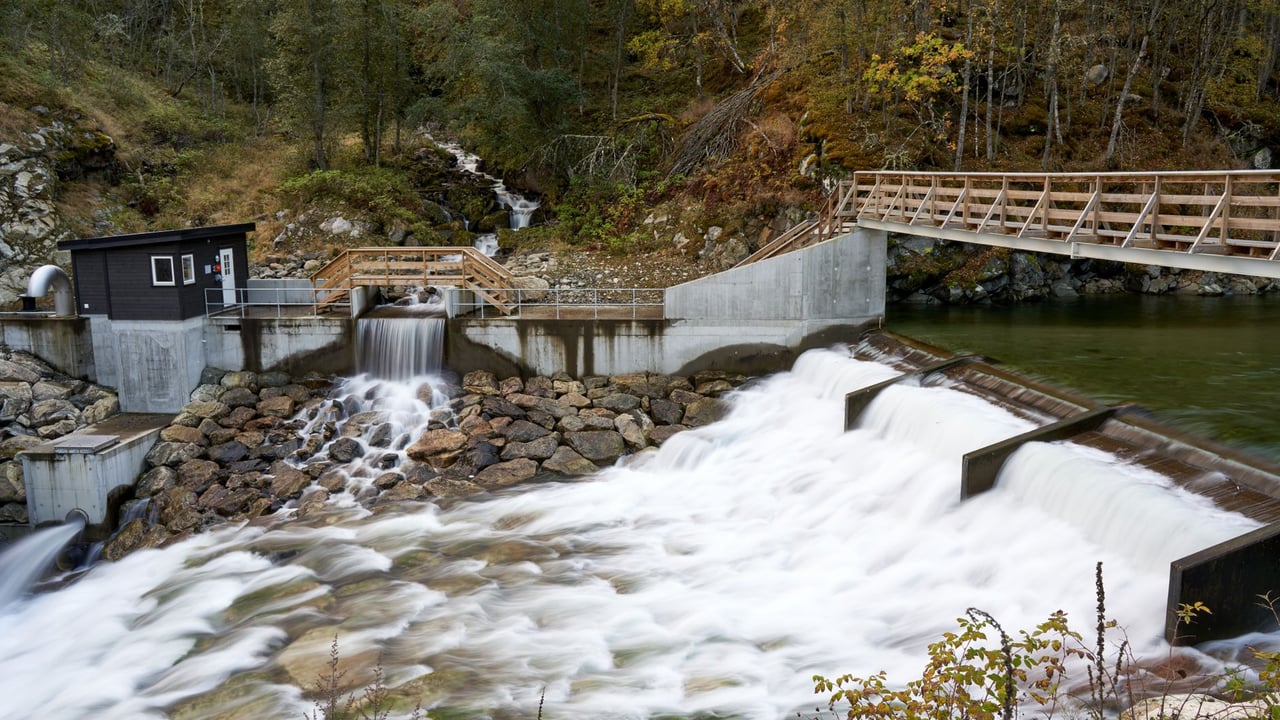
Photo by Barnabas Davoti on Pexels
The Brief
China Energy Investment Corporation has commissioned the first three generating units of the Shuangjiangkou Hydropower Station on the Dadu River in southwestern China, according to a report carried by Xinhua and People's Daily. Featuring a 315-meter dam structure—described as the world's tallest dam—the station will ultimately host four 500,000-kilowatt Francis turbine-generator units with a total capacity of two million kilowatts. The rapid rollout of the initial units within two months of the first unit's June start is intended to supply peak summer electricity to the Chengdu-Chongqing economic corridor.
Why it matters
As the regulating "cascade head" reservoir on the upper Dadu River, Shuangjiangkou plays a critical role beyond its own direct generation. By regulating river flow, it is projected to add roughly 6.6 billion kilowatt-hours of annual generation to downstream cascade hydropower stations, demonstrating how upstream megaprojects enhance systemic grid reliability across southwestern China.
China context
Hydropower-rich Sichuan province and the broader Chengdu-Chongqing region have faced severe power supply strains in recent summers due to intense heatwaves and fluctuating hydrological conditions. Accelerating the completion of key upstream control reservoirs like Shuangjiangkou serves Beijing's dual goals of reinforcing baseload grid stability and expanding renewable power generation without relying heavily on thermal reserves.
Editor's View
EDITOR'S VIEW — Analysis and inference, not factual reporting.
The accelerated commissioning of Shuangjiangkou's initial three units within an eight-week window underscores the urgent priority Chinese energy authorities place on mid-summer peak demand. While dam elevation records draw headlines, the facility's downstream water storage and regulation value will be the primary metric of its long-term operational success, especially during recurring seasonal droughts.
What to watch
- Timeline for the installation, testing, and full-capacity commissioning of Shuangjiangkou's fourth 500,000-kilowatt unit
- Operational data measuring actual cascade compensation and generation increases at downstream Dadu River plants during low-water seasons
- Structural and environmental monitoring performance for the 315-meter embankment dam during seasonal flood control operations
Key Takeaways
- 1China Energy has commissioned the first three 500,000 kW units at the Shuangjiangkou Hydropower Station.
- 2The facility features a 315-meter dam, identified as the world's tallest, on the Dadu River.
- 3Total planned capacity is 2,000 MW across four units, with an estimated direct annual output of 7.7 billion kWh.
- 4The reservoir is projected to add 6.6 billion kWh annually to downstream cascade hydropower stations.
- 5The rapid rollout follows the first unit's June launch to support summer electricity supply in the Chengdu-Chongqing region.
China Energy Investment Corporation has brought the first three generating units into commercial operation at the Shuangjiangkou Hydropower Station on the upper Dadu River, official state media reported on August 31, 2026.
According to reporting by Xinhua published on People's Daily Online, the project features a 315-meter-high dam, recognized as the world's tallest. Designed with an aggregate capacity of two million kilowatts (2,000 megawatts), the facility will house four Francis turbine-generator units, each rated at 500,000 kilowatts. Once fully completed, the station is projected to produce approximately 7.7 billion kilowatt-hours of electricity per year.
The project serves as a key regulatory and cascading "head" reservoir on the upper reaches of the Dadu River basin. In addition to direct power generation, the dam provides multi-purpose water resources management, sediment retention, and flood control functions. Official projections indicate that Shuangjiangkou's reservoir regulation will enable downstream cascade hydropower stations along the Dadu River to generate an additional 6.6 billion kilowatt-hours of clean electricity annually through coordinated discharge.
The rapid commissioning comes amid elevated seasonal demand across southwestern China. Following the entry into service of the station's first turbine in June 2026, project operators accelerated the delivery of units two and three to meet peak electricity consumption during hot summer weather in Sichuan province and the neighboring Chengdu-Chongqing economic rim. Completing the three-unit phase within a two-month span was aimed directly at reinforcing power supply reserves in the regional grid, state media noted.
Preparations for installing and commissioning the fourth and final 500,000-kilowatt generating unit remain underway to bring the hydropower complex to its full planned 2,000-megawatt operating capacity.
Sources
- 世界第一高坝一期三台机组全部投产--经济·科技--人民网 — People's Daily · 8/31/2026