
Business & IndustryAnalysis
China EV Charging Infrastructure Reaches 23.68 Million Units
Official data shows a 41.9 percent annual increase through July, driven by rapid expansion in both private and public installations.
Share
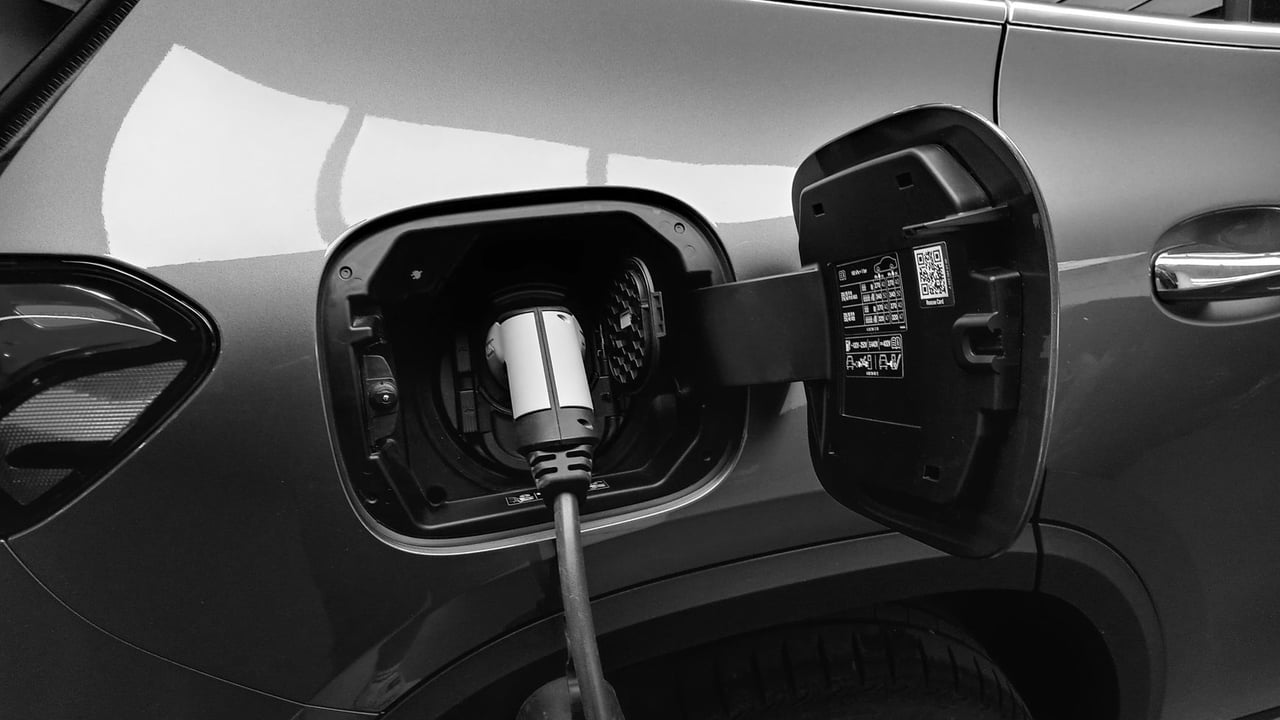
Photo by César Baciero on Pexels
The Brief
China's electric vehicle charging infrastructure expanded to 23.683 million units by the end of July, marking a 41.9 percent year-on-year increase, according to data from the National Energy Administration and the national monitoring service platform. Private residential charging facilities accounted for the bulk of the expansion, reaching 18.584 million units, while the public charging network grew to 5.099 million units with an aggregate rated power of 255 million kilowatts.
Why it matters
Sustaining an annual growth rate above 40 percent in charging installations is essential for supporting China's rapid electric vehicle adoption and alleviating consumer range anxiety. The swift buildout of residential and public infrastructure provides the baseline capacity needed for ongoing fleet electrification, while the growing electrical load requires heightened coordination with regional power grids.
China context
The National Energy Administration and state grid operators continue to manage the surging demand on distribution networks as installed EV capacity grows. With private charging installations demanding 160 million kilovolt-amperes of registered capacity, energy regulators are increasingly prioritizing grid upgrades, smart load management, and standardized charging protocols.
Editor's View
EDITOR'S VIEW — Analysis and inference, not factual reporting.
The data reflects a distinct structural shift in China's charging network: private charging points now outnumber public facilities by more than three to one, expanding at nearly 49 percent annually. While the public network's average power rating of approximately 50 kilowatts per unit indicates steady technical consolidation, the massive growth in residential connections places the primary infrastructure burden on residential power distribution and smart charging management.
What to watch
- Policy support and deployment timelines for higher-power public fast chargers and ultra-fast charging corridors.
- Grid management initiatives, including vehicle-to-grid (V2G) pilots and peak-load shifting strategies during seasonal high-demand periods.
- Infrastructure expansion into lower-tier cities and rural regions to match decentralized vehicle sales growth.
Key Takeaways
- 1Total EV charging infrastructure in China reached 23.683 million units by the end of July, up 41.9% year-on-year.
- 2Private charging units grew 48.8% to 18.584 million units, accounting for 160 million kVA in registered capacity.
- 3Public charging units totaled 5.099 million, rising 21.3% with an aggregate rated power of 255 million kW.
- 4The average power per public charging unit stood at approximately 49.97 kW.
China had installed a total of 23.683 million electric vehicle charging units across the country by the end of July, representing a 41.9 percent increase compared to the same period the previous year, according to figures released by the National Energy Administration citing the national charging infrastructure monitoring and service platform.
The deployment was led primarily by private residential charging facilities, which expanded by 48.8 percent year-on-year to reach 18.584 million units. Together, these private charging points represent an aggregate installed power capacity of 160 million kilovolt-amperes (kVA), reflecting the ongoing shift among vehicle owners toward home-based overnight charging solutions.
Public charging infrastructure also continued its upward trajectory, reaching 5.099 million units nationwide by the end of July, an increase of 21.3 percent year-on-year. The total rated power of the country's public charging network reached 255 million kilowatts (kW), yielding an average power output of approximately 49.97 kW per individual charging unit.
The rapid expansion of charging facilities is a key operational component of China's transition toward new energy vehicles. As adoption rates rise, energy authorities and municipal grid operators have focused on ensuring that distribution infrastructure can absorb the growing peak electricity demand associated with large-scale vehicle charging.
The steady rise in both public power capacity and private installation volume underscores broader government efforts to maintain a supportive infrastructure ecosystem as automotive electrification scales across domestic metropolitan areas and transit corridors.
Sources
- Gov — State Council of China · 8/25/2026
- 截至7月底电动汽车充电基础设施超2300万个 --经济·科技--人民网 — People's Daily · 8/25/2026