
Policy & RegulationAnalysis
China Pledges to Expand Advanced Manufacturing as Industrial Backbone
Beijing convenes a national conference and outlines high-level directives prioritizing the real economy and new industrialization.
Share
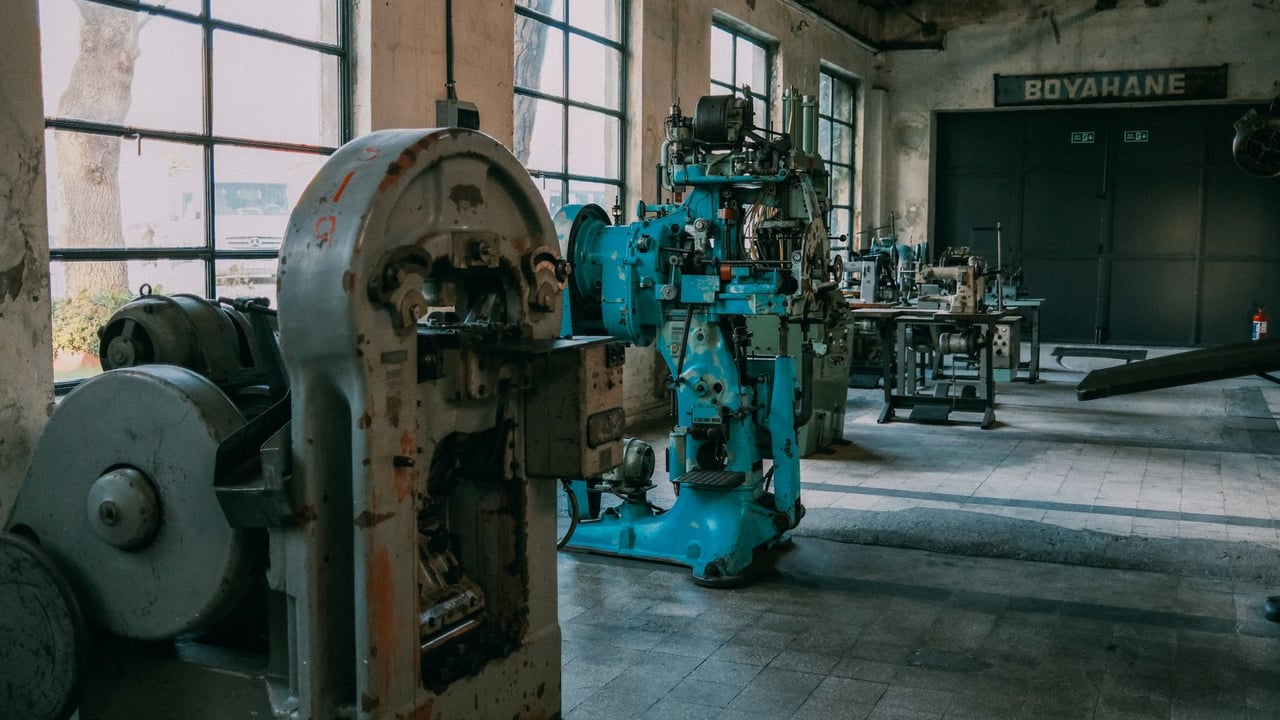
Photo by Sami TÜRK on Pexels
The Brief
Chinese leadership has reaffirmed advanced manufacturing as the core pillar of the country's modern industrial system following a national conference held in Beijing. Official directives from General Secretary Xi Jinping emphasized consolidating the real economy, balancing high-quality development with industrial security, and leveraging technological innovation. According to state media coverage, the strategy focuses on upgrading traditional industries, expanding emerging sectors, and establishing future industries while reinforcing China's standing as a global manufacturing powerhouse.
Why it matters
The high-level emphasis on advanced manufacturing indicates where state resources, regulatory support, and industrial financing are likely to concentrate in coming policy cycles. For domestic manufacturers, multinational supply chain partners, and technology investors, the clear focus on industrial modernization signals sustained policy backing for core components, equipment manufacturing, and technological self-reliance.
China context
As China navigates external trade tensions, tech restrictions, and domestic economic restructuring, maintaining a robust manufacturing foundation is viewed as essential for both economic resilience and national security. Top policymakers have consistently cautioned against the risks of industrial hollowing-out, emphasizing that a complete and technologically advanced industrial base provides strategic leverage and underpins long-term development.
Editor's View
EDITOR'S VIEW — Analysis and inference, not factual reporting.
The convening of the National Advanced Manufacturing Conference highlights Beijing's ongoing commitment to manufacturing over a purely service-led economic pivot. By framing advanced manufacturing as the backbone of the economy, official messaging seeks to align regional industrial planning and capital allocation with national security imperatives. However, the true test lies in execution: local authorities must navigate the dual challenges of reducing excess capacity in mature sectors while avoiding redundant, debt-fueled capital deployment in targeted strategic technologies.
What to watch
- Implementation guidelines and specific industrial support measures released by the Ministry of Industry and Information Technology and the National Development and Reform Commission.
- Targeted policy incentives focusing on smart manufacturing, green production, and supply chain security across major industrial provinces.
- Follow-up reporting and regional case studies highlighting breakthroughs in precision manufacturing and critical industrial components.
Key Takeaways
- 1The National Advanced Manufacturing Conference was held in Beijing on September 16–17.
- 2Xi Jinping issued instructions designating advanced manufacturing as the backbone of China's modern industrial system and calling for the consolidation of the real economy.
- 3Policy priorities emphasize technology-driven upgrading of traditional industries, growth of emerging sectors, and cultivation of future industries.
- 4State media highlighted that China's manufacturing added value has ranked first globally for 16 consecutive years, alongside significant growth in new energy vehicles.
China has reaffirmed the central role of advanced manufacturing in its economic blueprint, framing the sector as the strategic backbone of a modernized industrial system. The renewed focus follows the National Advanced Manufacturing Conference held in Beijing on September 16 and 17, alongside recent high-level directives from General Secretary Xi Jinping, as reported by state media outlet People's Daily.
According to official reports, the leadership called for the complete and accurate implementation of China's new development philosophy, urging authorities to coordinate high-quality growth with high-level security. The guidance explicitly prioritized consolidating the real economy and advancing new industrialization, directing economic planners to rely on science and technological innovation to simultaneously modernize traditional industries, expand emerging sectors, and foster future industries.
State media coverage underlined the scale of the domestic manufacturing sector to demonstrate recent progress. Reports noted that China's manufacturing added value has maintained the top ranking globally for 16 consecutive years. The accounts also pointed to the automotive sector as an illustrative success, stating that one out of every three cars sold worldwide is manufactured in China. Official figures further highlighted that domestic sales of new energy vehicles have expanded more than 930-fold since 2013, with market penetration rising over 590-fold, transforming clean mobility into a multi-trillion-yuan strategic industry.
The emphasis on physical manufacturing highlights Beijing's consistent defense against premature de-industrialization. Central policymakers have repeatedly warned against letting the real economy atrophy, treating an integrated and sophisticated industrial ecosystem as a critical safeguard against external economic shocks and international technology controls.
While state coverage highlighted macro-level achievements and overarching principles, the directives also call for intensified, practical efforts across government bodies to translate top-level guidance into operational industrial upgrades and stronger supply chain resilience.
Sources
- 持续做大做强先进制造业 — State Council of China · 9/19/2026
- 学习卡|制造业争“先”,习近平指明前进方向 — China News Service · 9/19/2026