
Business & IndustryAnalysis
China Foreign Direct Investment Shifts Toward High-Tech and R&D Sectors in H1 2026
Actual utilized FDI in high-tech industries rose 33.2% year-on-year in the first half of 2026, driven by artificial intelligence, R&D services, and advanced manufacturing.
Share
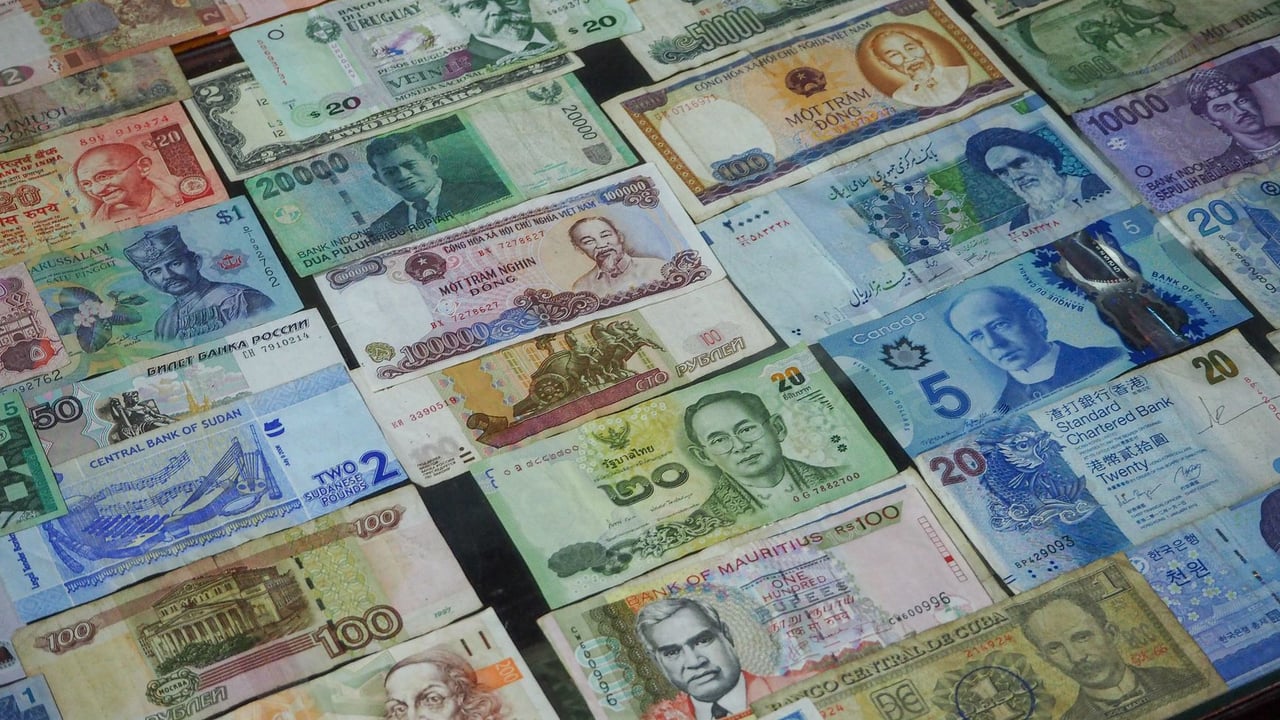
Photo by Ryutaro Tsukata on Pexels
The Brief
China’s foreign direct investment structure continued to shift toward high-tech and innovation-driven sectors in the first half of 2026. Actual utilized foreign direct investment (FDI) nationwide achieved consecutive year-on-year positive growth in May and June. During the first half of the year, FDI in high-tech industries rose 33.2% year-on-year, representing 42.4% of China's total foreign capital inflows. Investment in R&D and design services expanded by 82%, while tech achievement transformation services grew 57.1%. Officials at the Ministry of Commerce indicated future policies will further channel foreign capital into advanced manufacturing and modern service industries.
Why it matters
The growth of high-tech and R&D foreign investment reflects how multinational corporations are leveraging China's comprehensive industrial ecosystem and vast market for cutting-edge technologies like artificial intelligence and biotechnology, despite broader global economic headwinds.
China context
The Ministry of Commerce’s plans to steer foreign capital into advanced manufacturing and modern services align closely with Beijing’s broader policy agenda of fostering 'new quality productive forces' and driving high-quality economic development through digital transformation and specialized producer services.
Editor's View
EDITOR'S VIEW — Analysis and inference, not factual reporting.
The sharp acceleration in R&D and high-tech foreign direct investment underscores that multinational corporations increasingly view China not merely as a high-volume manufacturing hub, but as an essential center for research, design, and market-driven innovation. However, maintaining this momentum will depend on the concrete rollout of upcoming Ministry of Commerce directives, particularly regarding support for digital intelligence and market access in high-end service sectors.
What to watch
- Detailed policy measures from the Ministry of Commerce regarding foreign investment incentives in advanced manufacturing and modern services.
- Trends in monthly actual utilized FDI growth rates and high-tech capital share in the second half of 2026.
- The expansion of multinational research and development centers and biotechnology projects across key industrial clusters like the Greater Bay Area.
Key Takeaways
- 1China's nationwide actual utilized FDI achieved positive year-on-year growth in both May and June 2026.
- 2FDI in high-tech industries grew 33.2% year-on-year in H1 2026, accounting for 42.4% of total foreign inflows.
- 3Foreign capital into R&D and design services increased by 82% year-on-year in H1 2026, while technology transformation services rose 57.1%.
- 4The Ministry of Commerce plans to further guide foreign capital toward advanced manufacturing, modern services, and digital transformation.
Foreign direct investment into China showed strong structural rebalancing toward high-technology sectors and innovation services during the first half of 2026, according to a report from state broadcaster CCTV published on the official government portal.
Nationwide actual utilized foreign capital registered positive year-on-year growth for two consecutive months in May and June. Over the first six months of 2026, FDI in high-tech industries jumped 33.2% compared to the prior-year period, expanding its proportion to 42.4% of total foreign capital inflows into the country.
The influx of foreign capital was particularly pronounced in technology services and research initiatives. In the first half of the year, foreign investment flowing into technology achievement transformation services surged by 57.1% year-on-year, while investment in research and design services rose by 82%. Multinational firms are increasingly establishing research hubs in China to tap into its localized industrial clusters and market demand. For example, a foreign healthcare firm recently launched the Guangdong-Hong Kong-Macao Greater Bay Area Innovation and Cooperation Center in Shenzhen, focusing on innovative drugs and biotechnology research.
Emerging digital sectors, including artificial intelligence, are also driving reinvestment by foreign entities already operating in the country. A foreign manufacturer of printed circuit board lamination systems reinvested over 30 million yuan (approx. $4.2 million) from its retained earnings to upgrade production lines at its Chinese facility, catering to expanding demand for AI servers and data center infrastructure.
Looking ahead, China's Ministry of Commerce stated that official policy will further direct foreign investment into advanced manufacturing and modern services. Plans include encouraging service sector foreign investments to undergo digital and intelligent transformation, while elevating producer services toward greater specialization and high-end capabilities to build new advantages in attracting global investment.
Sources
- 我国吸引外资结构进一步向新向好 — State Council of China · 8/6/2026