
Business & IndustryAnalysis
China's Solar Power Capacity Surpasses Coal for the First Time
Solar power reaches 1.286 billion kilowatts to become China's largest generation source by installed capacity, though grid integration and corporate pressures persist.
Share
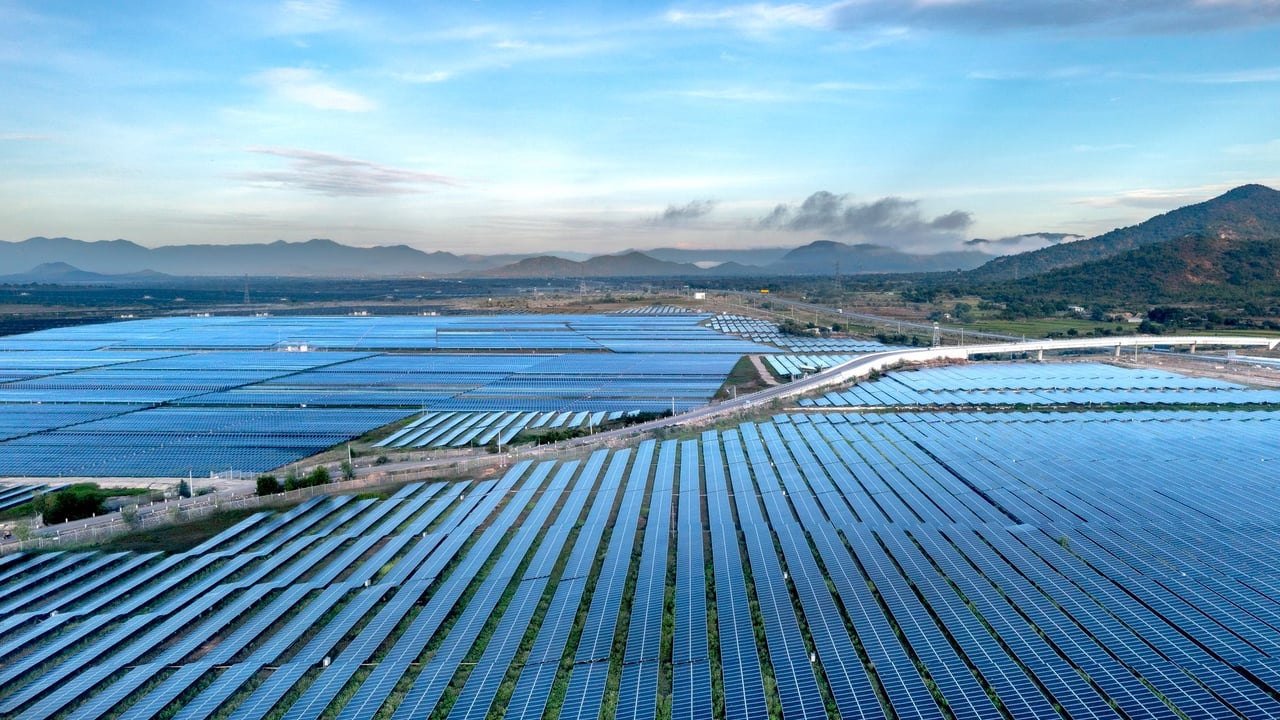
Photo by Quang Nguyen Vinh on Pexels
The Brief
China's installed solar power capacity reached 1.286 billion kilowatts at the end of July, surpassing coal-fired power capacity of 1.285 billion kilowatts to become the country's single largest power source category by capacity, according to National Energy Administration data. Solar now accounts for 31.5% of China's 4.08 billion kilowatts of total generation capacity. However, lower utilization hours, grid stability demands, and corporate margin compression continue to pose structural challenges for the sector.
Why it matters
The milestone marks a structural turning point in China's energy transition, establishing solar as the primary driver of generation capacity expansion. While accelerating decarbonization goals, this shift places unprecedented operational demands on grid flexibility, storage deployment, and market pricing mechanisms as coal rapidly pivots to a peak-shaving and security backup role.
China context
China's domestic photovoltaic supply chain and manufacturing scale have driven levelized costs down significantly, enabling massive capacity additions. However, top-line capacity growth masks operational hurdles, including daytime curtailment risks, inter-regional transmission bottlenecks, and fierce price competition that continues to squeeze corporate profitability across upstream manufacturers.
Editor's View
EDITOR'S VIEW — Analysis and inference, not factual reporting.
Reaching parity in installed capacity is a significant structural milestone, but installed gigawatts do not equate to delivered kilowatt-hours. Because solar utilization hours are much lower than baseload coal, thermal power remains indispensable for system reliability. The key challenge moving forward shifts from hardware manufacturing and deployment to reforming power markets, setting capacity compensation mechanisms, and scaling flexible grid infrastructure to accommodate intermittent generation.
What to watch
- Policy rollouts by the National Energy Administration on renewable consumption mandates, ultra-high-voltage transmission corridors, and energy storage targets.
- Progress on provincial capacity payment mechanisms, ancillary service markets, and peak-valley time-of-use pricing reforms.
- Consolidation, capacity discipline, and financial performance across major Chinese photovoltaic equipment manufacturers.
Key Takeaways
- 1Installed solar capacity reached 1.286 billion kW by July, exceeding coal (1.285 billion kW) for the first time.
- 2Solar accounts for 31.5% of China's 4.08 billion kW total generation capacity, comprising 704 million kW centralized and 582 million kW distributed solar.
- 3Solar power generation reached 802.4 billion kWh in the first seven months, representing a 15.5% year-on-year increase.
- 4Coal power is shifting rapidly from baseload supply to flexible peak-shaving and baseline security balancing.
- 5Operational hurdles persist around renewable power consumption, grid flexibility, and compressed corporate margins in the solar supply chain.
China's installed solar power capacity reached 1.286 billion kilowatts by the end of July, surpassing coal-fired power capacity of 1.285 billion kilowatts for the first time, according to data released by the National Energy Administration. Solar power has now become China's single largest power source by installed capacity, accounting for 31.5% of the country's 4.08 billion kilowatts of total generation capacity.
The capacity breakdown includes 704 million kilowatts of centralized solar power stations and 582 million kilowatts of distributed rooftop installations, state media reported. In the first seven months of the year, nationwide solar electricity generation reached 802.4 billion kilowatt-hours, up 15.5% year-on-year and outpacing overall electricity demand growth by approximately 10 percentage points. Domestic reports noted that approximately one out of every eight kilowatt-hours of electricity consumed nationally during this period originated from solar installations.
As solar capacity scales, the operational role of coal-fired power is accelerating its transition from traditional baseload supply to flexible system balancing and backup security. According to officials from the China Electricity Council, coal-fired power plants are no longer pursuing continuous generation growth. Instead, thermal units are performing deep peak-shaving by lowering generation during peak solar hours around midday to clear grid space for renewables, while rapidly ramping up output during evening and overcast periods to stabilize supply.
Despite the milestone, sector analysts emphasize that installed capacity does not equate directly to delivered electricity. Solar power remains intermittent and weather-dependent, with annual utilization hours significantly below those of coal. Consequently, coal will remain the primary stabilizing pillar for grid security in the near term. At the same time, upstream photovoltaic manufacturers continue to face compressed profit margins and cyclical adjustment pressures driven by severe domestic competition. Power sector experts emphasize that converting capacity leadership into reliable power supply will require accelerated construction of pumped-storage hydro, battery storage, and reformed power market mechanisms, including capacity payments and dynamic time-of-use pricing.
Sources
- 12.86亿千瓦 我国光伏发电装机历史性超过煤电--经济·科技--人民网 — People's Daily · 9/1/2026
- 12.86亿千瓦!光伏发电历史性超越煤电成我国装机规模第一大电源,产能扩张背后如何破局行业“内卷”? — National Business Daily · 9/1/2026