
Business & IndustryAnalysis
China's Social Logistics Volume Rises 5.0% to 214.5 Trillion Yuan Through July
Steady expansion in nationwide goods circulation underscores underlying supply chain activity amid ongoing structural adjustments.
Share
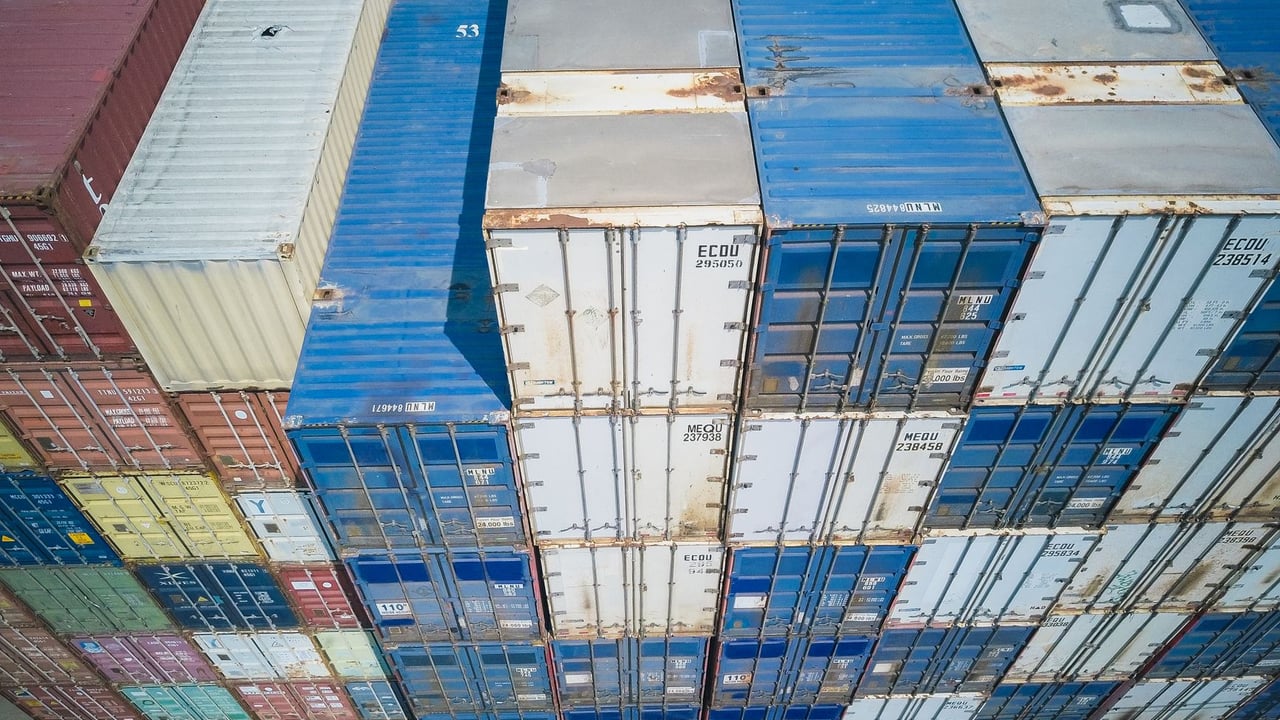
Photo by Kindel Media on Pexels
The Brief
China's total social logistics volume reached 214.5 trillion yuan (approximately $30 trillion) from January to July, marking a 5.0% year-on-year increase, according to state media reports. The figure reflects consistent movement of physical goods, industrial raw materials, and consumer products across domestic distribution networks. The expansion highlights the resilience of the country's physical supply chains, even as domestic industries continue to navigate macroeconomic rebalancing and uneven demand across key economic sectors.
Why it matters
Logistics functions as the circulatory system of China's real economy. A 5.0% expansion in total social logistics volume signals steady movement of raw materials, manufactured goods, and consumer products, underpinning supply chain stability across major manufacturing hubs.
China context
In recent years, Chinese policymakers have focused heavily on lowering overall logistics costs relative to GDP. The sector is undergoing a shift from sheer volume expansion toward efficiency improvements, multi-modal transport, and integrated supply chain management amid domestic structural rebalancing.
Editor's View
EDITOR'S VIEW — Analysis and inference, not factual reporting.
While the headline 5.0% expansion confirms ongoing momentum in the physical movement of goods, top-line logistics value often masks underlying margin pressures. Freight operators and courier networks have faced intense price competition in recent quarters. Observers should track whether this volume growth is driven primarily by low-margin industrial bulk transport or higher-value advanced manufacturing and consumer deliveries.
What to watch
- Sub-index breakdowns detailing the relative performance of industrial goods, imported goods, and retail consumer parcels
- Operating margins and unit freight rates across major highway, rail, and port logistics operators
- Progress on national policy directives aimed at reducing total logistics costs as a proportion of GDP
Key Takeaways
- 1Nationwide social logistics volume totaled 214.5 trillion yuan from January to July.
- 2The figure represents a 5.0% year-on-year increase, signaling steady physical circulation.
- 3Logistics data serves as a core indicator of physical commodity flows across manufacturing and commercial networks.
China's total social logistics volume reached 214.5 trillion yuan during the first seven months of the year, representing a 5.0% increase compared to the corresponding period last year, according to state media dispatches citing official data.
The steady expansion reflects sustained circulation of physical commodities, industrial components, and commercial merchandise across the world's second-largest economy. As a comprehensive macroeconomic indicator, social logistics captures the aggregate economic value of physical goods entering the commercial distribution system. This includes inputs for industrial manufacturing, agricultural products, imported materials, and goods destined for end-user consumer retail.
The 5.0% growth rate points to consistent physical throughput across national supply chains, even as broader economic indicators reflect a mixed macroeconomic landscape. Physical freight volumes have maintained positive momentum, supported by foundational manufacturing activity and steady parcel movement across inter-regional commerce channels.
In recent years, Chinese economic planners have prioritized the optimization of the logistics network, focusing on lowering total logistics expenditures relative to gross domestic product. Official initiatives have encouraged the development of multi-modal transportation systems, expanded automated warehousing facilities, and the dismantling of local market barriers to form an integrated, unified national logistics infrastructure.
While the expansion in total volume confirms the continued functioning of production and trade networks, industry analysts continue to evaluate the structural composition underpinning the headline data. Volume growth does not necessarily guarantee improved operating profitability for transport enterprises, as price competition across road freight and express delivery sectors has remained pronounced.
Over the remainder of the year, market participants will closely monitor whether the pace of logistics expansion can be sustained. Critical factors will include the balance between domestic industrial production and consumer market uptake, as well as the potential impact of external trade conditions on international freight flows.
Sources
- 今年1至7月全国社会物流总额214.5万亿元 同比增长5.0% — China News Service · 8/28/2026