
Business & IndustryAnalysis
China's Lower-Tier Markets Count Over Twice as Many Sole Proprietors as Enterprises
Official data shows more than 78 million self-employed businesses across smaller cities and rural areas, heavily concentrated in services.
Share
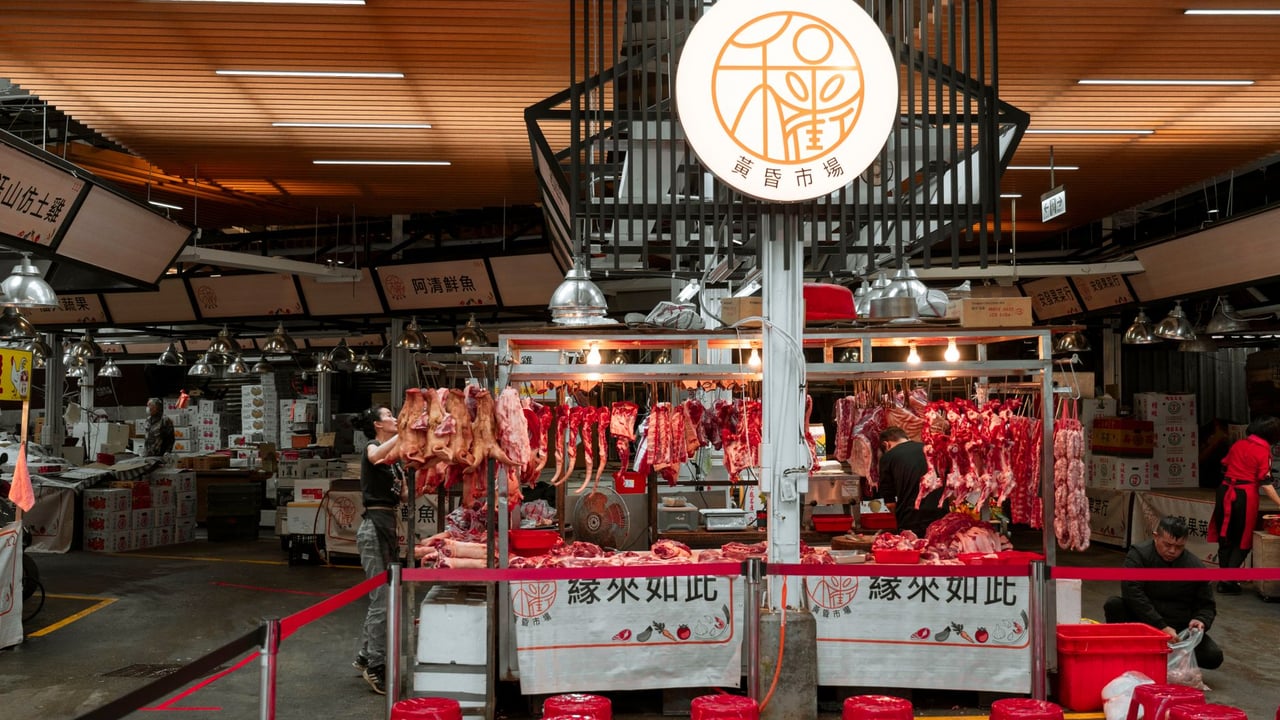
Photo by Jimmy Liao on Pexels
The Brief
Self-employed individuals and sole proprietorships outnumber standard enterprises by more than two to one across China's lower-tier markets, official regulatory data showed on Monday. According to the State Administration for Market Regulation, there were 209 registered individual businesses for every 100 corporate enterprises in smaller cities and rural regions as of late July, totaling over 78 million entities, with 86% operating in the services sector.
Why it matters
The data underscores the structural divide between China's megacities and its broader grassroots economy. Lower-tier commerce relies overwhelmingly on micro-merchants and service-oriented sole proprietorships rather than corporate entities, making them essential for local employment and consumption stability.
China context
Individual industrial and commercial households form the micro-foundation of China's domestic economy. Spanning county seats, townships, and lower-tier cities, these 78 million small operators act as economic capillaries, absorbing surplus labor and meeting everyday neighborhood demand.
Editor's View
EDITOR'S VIEW — Analysis and inference, not factual reporting.
The pronounced disparity in business structure—209 sole proprietors per 100 enterprises in lower-tier areas versus 85 per 100 in top-tier cities—illustrates that county-level economic vitality depends heavily on informal and micro-scale commerce. Policymakers seeking to stimulate domestic consumption will need targeted support tailored to sole proprietors, who operate under different regulatory, tax, and financing realities than formal corporations.
What to watch
- Targeted regulatory and financial relief policies tailored specifically for micro-merchants in county-level and rural areas.
- Local government initiatives encouraging sole proprietors to transition into incorporated enterprises.
- Consumer spending and service sector performance across tier-3 and lower markets over the coming quarters.
Key Takeaways
- 1Lower-tier markets registered 209 individual businesses for every 100 enterprises as of late July.
- 2The total number of individual businesses in lower-tier regions exceeded 78 million.
- 3Approximately 86% of these lower-tier sole proprietorships operate in service-related sectors.
- 4In first- and second-tier cities, the ratio of individual businesses to enterprises stood at 85 to 100.
Registered self-employed businesses outnumber corporations by more than two to one in China's lower-tier markets, reflecting the grassroots structure of local commerce across smaller cities and rural regions, an official from the State Administration for Market Regulation (SAMR) said on Monday.
Speaking at a State Council Information Office briefing in Beijing, Du Linya, head of SAMR's Registration Bureau, reported that the ratio of registered individual industrial and commercial households to standard corporate enterprises stood at 209 to 100 in lower-tier markets as of the end of July. In contrast, first- and second-tier metropolises recorded a ratio of 85 individual businesses per 100 enterprises.
Lower-tier regions now host more than 78 million registered individual businesses, Du noted, with roughly 86% operating in service-related sectors such as retail, catering, and personal maintenance.
Individual businesses represent the single largest category of market participants in China, playing a critical role in stabilizing employment and delivering essential consumer services. While larger corporations dominate economic output in top-tier cities, smaller municipalities and county seats remain heavily reliant on micro-merchants to anchor everyday commercial life.
Sources
- 下沉市场个体工商户数量是企业数量2倍多--经济·科技--人民网 — People's Daily · 8/18/2026