
Policy & RegulationAnalysis
Chinese State Media Emphasizes Stability Ahead of Xi Jinping's US Visit
Ahead of a planned September meeting with Donald Trump, Beijing highlights voices from US business and policy circles calling for constructive ties.
Share
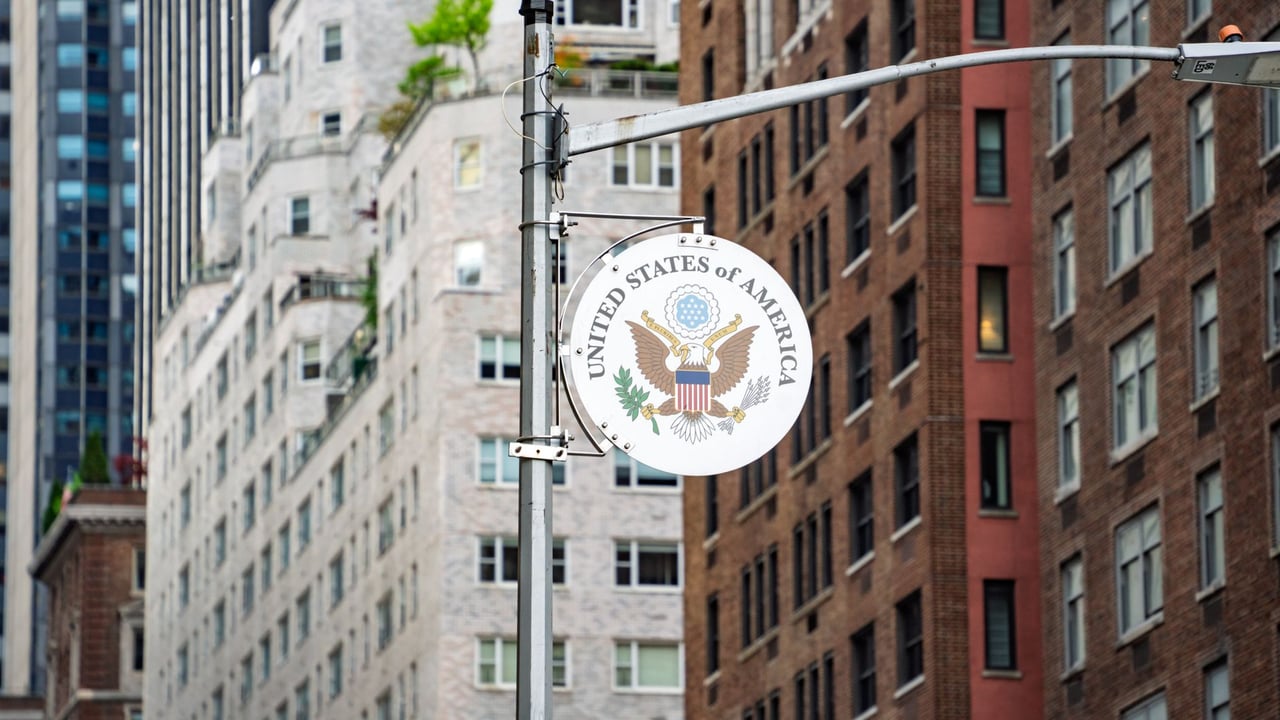
Photo by Andres Figueroa on Pexels
The Brief
Chinese state media has previewed Chinese President Xi Jinping’s state visit to the United States scheduled for September 23 to 25, following an invitation from US President Donald Trump. Coordinated reports across official platforms emphasized remarks from US business executives, former state-level politicians, and think tank representatives to project a constructive atmosphere. The state press highlighted the importance of head-of-state diplomacy and recalled a bilateral meeting in May that framed ties around "constructive strategic stability," signaling Beijing's effort to set a measured, cooperative tone ahead of direct talks.
Why it matters
As the world's two largest economies navigate long-standing geopolitical, trade, and technological disputes, direct head-of-state engagement serves as the highest-level mechanism for managing risk and setting bilateral expectations. Beijing's public emphasis on strategic stability highlights its priority in maintaining predictable commercial and diplomatic channels.
China context
Beijing frequently deploys curated statements from foreign business leaders, former local officials, and think tank analysts to support its diplomatic posture. By featuring voices from companies like US chipmaker onsemi alongside former US regional officials, Chinese official media seeks to demonstrate that pragmatic economic cooperation and stable ties maintain substantial support within the United States.
Editor's View
EDITOR'S VIEW — Analysis and inference, not factual reporting.
The synchronized rollout across central government and defense outlets indicates a deliberate effort by Beijing to define the summit's narrative around continuity and stability before negotiations begin. By centering the concept of 'constructive strategic stability' and highlighting cooperation in sectors like automotive technology and semiconductors, Chinese policymakers are attempting to direct bilateral discourse toward mutually beneficial trade and risk management rather than strategic confrontation.
What to watch
- Specific bilateral deliverables or joint statements issued during the September 23–25 meetings.
- Policy signals regarding cross-border trade, investment, and high-tech supply chains, including semiconductors.
- Congressional and political responses in Washington to the bilateral discussions.
Key Takeaways
- 1Chinese President Xi Jinping is scheduled to conduct a state visit to the United States from September 23 to 25 at the invitation of President Donald Trump.
- 2According to Chinese official reports, the summit represents the third face-to-face meeting between the two leaders since Trump returned to office in 2025.
- 3State media coverage emphasized "constructive strategic stability," referencing a bilateral consensus reached during a May meeting in Beijing.
- 4Official reports highlighted remarks from US business figures, including onsemi CEO Hassane El-Khoury, to underline commercial engagement and supply-chain continuity.
Chinese state media outlets, including Xinhua News Agency, the State Council's official web portal, and defense publications, have initiated coordinated coverage previewing Chinese President Xi Jinping’s upcoming state visit to the United States from September 23 to 25. The trip takes place at the invitation of US President Donald Trump.
According to the official reports, the scheduled summit will mark the third in-person meeting between Xi and Trump since Trump returned to the White House in 2025, supplemented by multiple telephone discussions and formal correspondences. Chinese state outlets framed direct communication between the two heads of state as an essential stabilizing factor for broader bilateral ties.
The coverage prominently cited American observers and industry representatives to project support for bilateral dialogue. Robert Lawrence Kuhn, chairman of the Kuhn Foundation, was quoted describing the anticipated face-to-face meeting as an important juncture that could bolster international confidence. Former Iowa state representative Greg Cusack was also cited emphasizing the role of leader-to-leader interactions in sustaining stable and constructive relations.
The reports also revisited an in-person meeting held between the two leaders in Beijing in May, noting that both sides had agreed to treat "constructive strategic stability" as a guiding concept for bilateral ties. Former White House correspondent William Jones told state media that this framework provides strategic direction for bilateral management, expressing hope that the September visit will translate those mutual understandings into policy steps.
Commercial engagement formed another central component of the state media narrative. Reports referenced remarks from Hassane El-Khoury, chief executive of US semiconductor firm onsemi, pointing to ongoing industry ties and joint technological interest seen at the Beijing auto show earlier this year. Tom Watkins, a former advisor to the Michigan-China Innovation Center, was also quoted noting the visit's potential to help both countries manage differences.
While official Chinese media maintained an optimistic tone focused on dialogue and economic mutual interest, formal policy agendas and concrete deliverables for the three-day visit have not yet been made public.
Sources
- 推动中美关系迈向更美好未来——美国各界对习近平主席国事访问充满期待 — State Council of China · 9/22/2026
- 推动中美关系迈向更美好未来——美国各界对习近平主席国事访问充满期待 - 中国军网 — China Military Online · 9/22/2026
- 推动中美关系迈向更美好未来——美国各界对习近平主席国事访问充满期待 — Ministry of National Defense · 9/22/2026