
Policy & RegulationAnalysis
Xi Jinping Begins State Visit to United States for Talks With Trump
Chinese state media highlight reciprocal head-of-state visits within six months as Beijing promotes constructive strategic stability.
Share
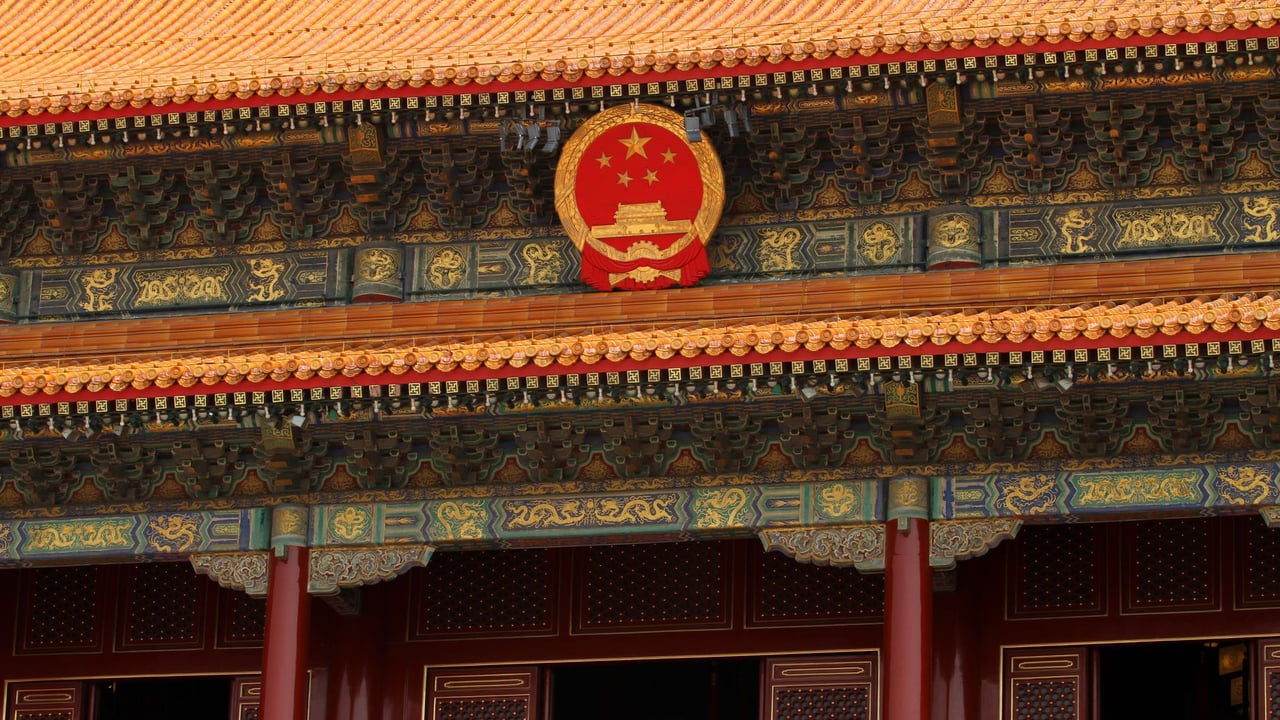
Photo by Ramaz Bluashvili on Pexels
The Brief
Chinese President Xi Jinping is conducting a state visit to the United States from September 23 to 25 at the invitation of U.S. President Donald Trump, according to Chinese state media. The trip follows Trump's state visit to China in May, marking reciprocal leader visits within a six-month window. Chinese coverage framed the summit as an opportunity to reinforce bilateral stability, manage strategic friction, and coordinate on global challenges under Beijing's framework of mutual respect, peaceful coexistence, and win-win cooperation.
Why it matters
Reciprocal head-of-state visits within six months reflect an intensive rhythm of top-level strategic communication between Beijing and Washington. For global markets and international governance, whether the world's two largest economies can manage structural tensions and sustain functional dialogue directly shapes cross-border investment, supply chain security, and multilateral stability.
China context
Chinese official media coverage heavily emphasizes top-level head-of-state diplomacy as the ultimate anchor for bilateral ties. By reiterating the framework of mutual respect, peaceful coexistence, and win-win cooperation, alongside the objective of building a "constructive strategic stable relationship," Beijing is positioning itself as a responsible power seeking to guide relations onto a stable track while urging Washington to match high-level dialogue with pragmatic policy actions.
Editor's View
EDITOR'S VIEW — Analysis and inference, not factual reporting.
While state media reports highlight international commentary praising top-level engagement, the dense schedule of reciprocal summits underscores mutual recognition that head-of-state steering is essential to prevent competitive dynamics from deteriorating. Beijing's framing focuses heavily on strategic stability and global public goods, yet the durability of this diplomatic stabilization will hinge on whether working-level negotiations can produce enforceable understandings on core trade, investment, and geopolitical differences rather than merely symbolic rapport.
What to watch
- Key policy statements and joint understandings emerging from closed-door leader discussions during the September 23-25 visit.
- Progress on bilateral cooperation tracks discussed at the August Track 1.5 dialogue, including two-way trade rules, healthcare, and food security.
- Reactions from regional allies and global financial markets regarding the durability of constructive engagement between Washington and Beijing.
Key Takeaways
- 1President Xi Jinping is conducting a state visit to the U.S. from September 23 to 25 at the invitation of President Donald Trump.
- 2The summit completes reciprocal head-of-state visits within a six-month span, following Trump's May visit to Beijing.
- 3The two leaders have held two meetings and exchanged multiple calls and letters since Trump took office in 2025.
- 4Preparatory discussions in August at the third China-U.S. Track 1.5 dialogue focused on trade, investment, healthcare, and food security.
Chinese President Xi Jinping arrived in the United States on September 23 for a three-day state visit at the invitation of U.S. President Donald Trump, state media reported, marking the latest direct engagement between the leaders of the world's two largest economies.
The trip reciprocates Trump's state visit to China in May, concluding a cycle in which the two heads of state conducted mutual visits within a six-month span. According to official reports carried by Xinhua and defense outlets, the two leaders have held two in-person meetings alongside multiple telephone conversations and letters since Trump assumed office in 2025, establishing an active channel of top-level strategic communication.
Chinese coverage framed the visit around Beijing's long-standing diplomatic formula of mutual respect, peaceful coexistence, and win-win cooperation, describing the current objective as building a "constructive strategic stable relationship." Chinese state media cited several foreign observers—including former diplomatic envoys and international scholars—who argued that direct, institutionalized communication between Beijing and Washington serves as a critical stabilizing factor for the broader international system by helping avoid miscalculation and managing disputes.
The high-level diplomacy follows preparatory bilateral exchanges earlier in the year. In August, the third round of the China-U.S. Track 1.5 dialogue took place in Beijing. Discussions at that meeting focused on cultivating a reciprocal trade and investment environment, exploring potential cooperation in healthcare and food security, and expanding cultural and educational exchanges.
Beijing's reporting emphasized that the trajectory of China-U.S. relations extends beyond bilateral affairs, directly affecting developing nations across the Global South as well as global economic governance. Commentators cited in official coverage stressed that while structural disagreements remain, maintaining frequent dialogue at the highest level provides an essential foundation for stabilizing expectations and addressing shared global challenges.
Sources
- 特稿|中美走出正确相处之道是世界所盼——国际社会瞩目习近平主席对美进行国事访问 - 中国军网 — China Military Online · 9/23/2026
- 特稿|中美走出正确相处之道是世界所盼——国际社会瞩目习近平主席对美进行国事访问 — Ministry of National Defense · 9/23/2026