
Defense & StrategyAnalysis
Chinese Military to Join ADMM-Plus Trident Resolve Disaster Drill in Indonesia
A Chinese detachment will participate in multinational disaster relief and medical exercises under the ASEAN-led framework.
Share
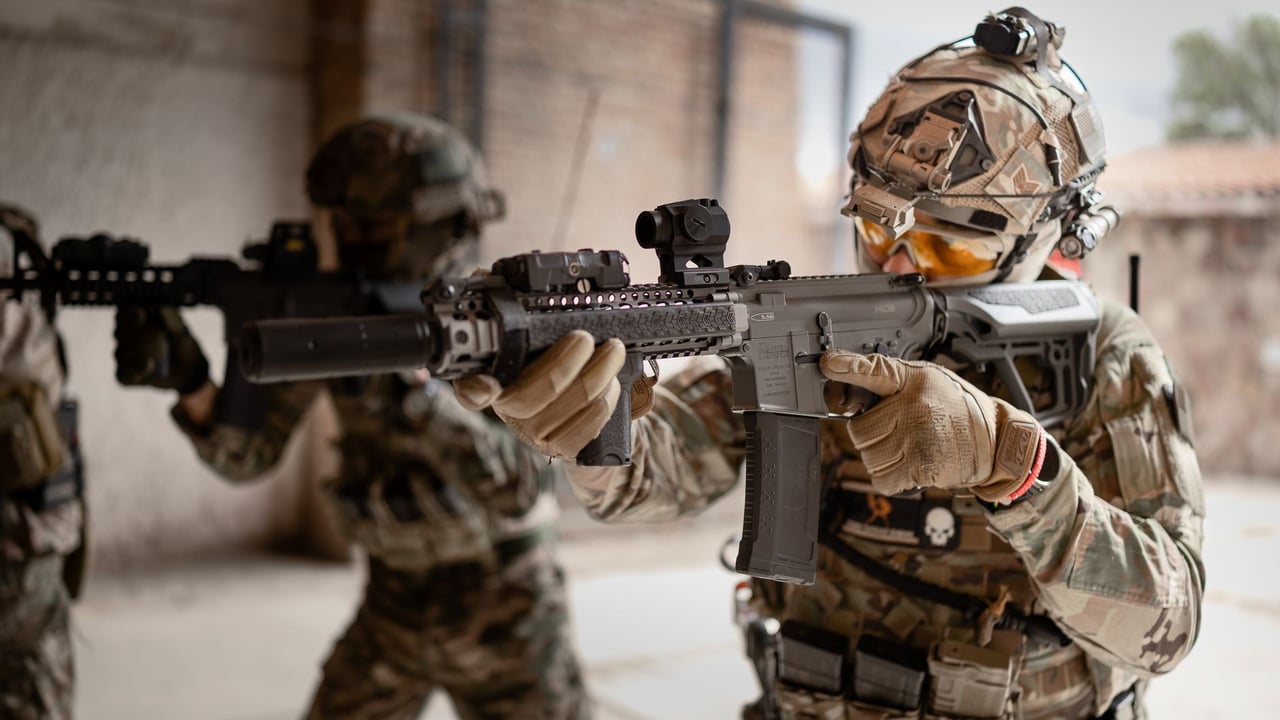
Photo by Amar Preciado on Pexels
The Brief
The Chinese military announced it will deploy a detachment to Indonesia from September 22 to 25 to participate in the 'Trident Resolve' live-force exercise under the ASEAN Defence Ministers' Meeting-Plus (ADMM-Plus) framework. The drill centers on responding to earthquakes and secondary compounding disasters through tabletop exercises and field maneuvers, including search and rescue, joint field medical treatment, epidemic prevention, and emergency disaster communications.
Why it matters
The multinational drill tests regional military coordination and civil-military readiness in response to major natural disasters, providing an operational benchmark for multilateral humanitarian assistance and disaster relief mechanisms across the Asia-Pacific.
China context
Participating in ADMM-Plus activities allows China's armed forces to deepen pragmatic defense ties with Southeast Asian nations in non-traditional security domains, aiming to build regional security confidence and present the military as a reliable humanitarian partner.
Editor's View
EDITOR'S VIEW — Analysis and inference, not factual reporting.
While non-traditional security cooperation such as humanitarian assistance and disaster relief remains one of the least contentious avenues for multilateral military engagement, exercises like Trident Resolve offer valuable operational insights into command interoperability and regional communications protocols among participating armed forces.
What to watch
- Joint command interoperability and field-level coordination efficiency among participating detachments during live-action drills.
- Potential formalization of regional disaster response protocols or standard operating procedures following the exercise.
Key Takeaways
- 1A Chinese military detachment will participate in the ADMM-Plus 'Trident Resolve' drill in Indonesia from September 22 to 25.
- 2The drill focuses on earthquake and compound disaster response, including search and rescue, field medicine, disinfection, and emergency communications.
- 3The exercise combines tabletop exercises with live-force maneuvers to enhance multinational humanitarian assistance capabilities.
The Chinese military will send a detachment to Indonesia to participate in the 'Trident Resolve' live-force exercise organized under the ASEAN Defence Ministers' Meeting-Plus (ADMM-Plus) framework, according to an announcement published by China's Ministry of National Defense.
The exercise, scheduled to run from September 22 to 25, is framed around the operational scenario of a major earthquake and its accompanying secondary compound disasters. Participating military units will engage in both tabletop simulations and live-force field training exercises designed to replicate complex post-disaster environments.
According to official statements, core operational subjects of the drill include urban search and rescue in structural rubble, multinational joint field medical care and casualty treatment, epidemic prevention and disinfection, and the emergency restoration and handling of disaster communications networks.
Chinese defense authorities stated that the exercise aims to enhance practical multinational coordination in humanitarian assistance and disaster relief operations. The drill is also intended to refine regional disaster emergency response frameworks and contribute collectively to maintaining regional stability and peace.
ADMM-Plus serves as a key multilateral security dialogue and practical defense cooperation platform comprising the ten ASEAN member states and eight dialogue partners, including China, the United States, Russia, and Japan. Humanitarian assistance and disaster relief (HADR) exercises conducted within this framework provide opportunities for cross-national military elements to build familiarity, standardize emergency response communication lines, and practice interoperability during complex crisis scenarios.
Sources
- 中国军队将参加东盟防长扩大会“三叉戟决心”实兵演习 — China Military Online · 9/21/2026
- 中国将参加东盟防长扩大会“三叉戟决心”实兵演习 — iFeng · 9/22/2026