
Business & IndustryAnalysis
China Expands Mineral Reserves and Output Across Strategic Sectors
The Ministry of Natural Resources reports world-leading reserves in 14 minerals alongside rising energy and raw material production.
Share
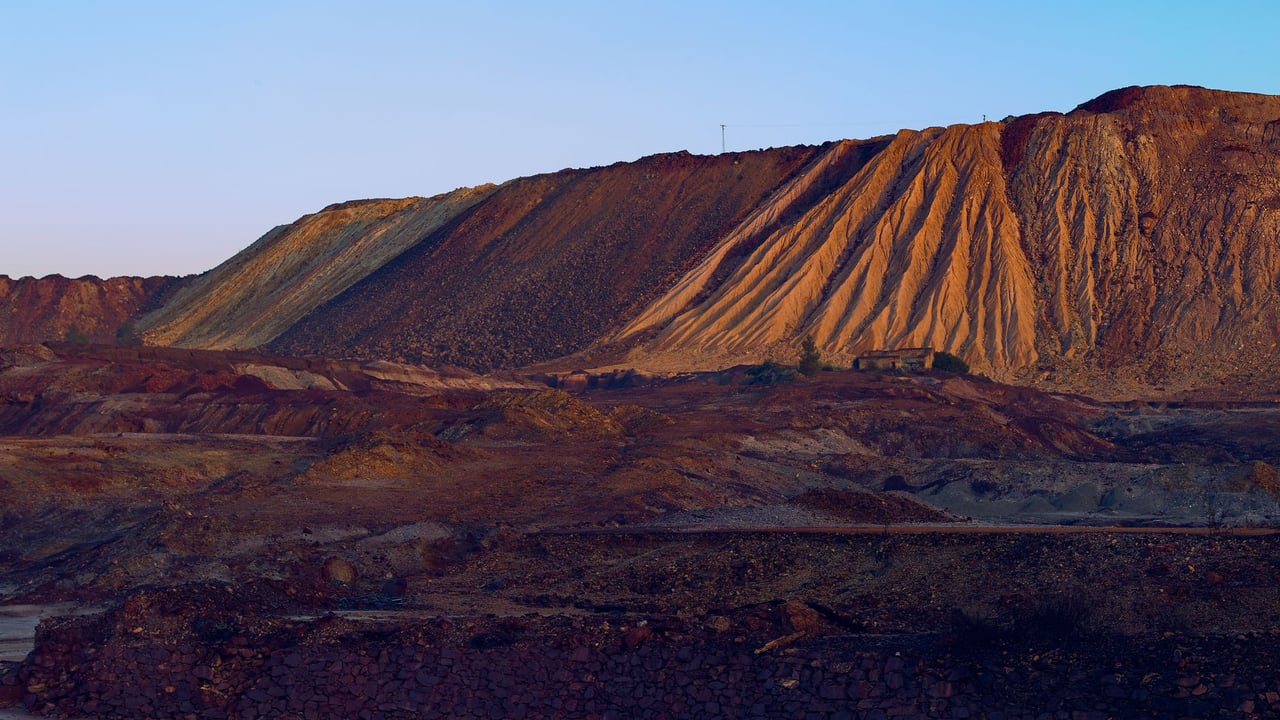
Photo by Jose E. Caceres Erbina on Pexels
The Brief
China's Ministry of Natural Resources released its 2026 mineral resources report at the China International Mining Conference in Tianjin, highlighting steady gains in resource security and domestic exploration. By the close of the 14th Five-Year Plan period, the country held the world's largest reserves in 14 minerals, including rare earths, tungsten, and molybdenum, and ranked in the top four globally for nine others, such as coal and iron. Underpinned by five consecutive years of rising exploration investment, 2025 production grew across energy minerals, non-ferrous metals, and phosphate rock.
Why it matters
The report provides a comprehensive accounting of China's mineral supply at the end of the 14th Five-Year Plan, demonstrating robust domestic reserves across strategic minerals and primary energy sources. These figures have significant implications for global supply chain dynamics in critical raw materials and underscore Beijing's emphasis on domestic resource self-sufficiency.
China context
Beijing is actively balancing industrial resource security with strict ecological goals. Alongside a nationwide prospecting drive, authorities have tightened environmental standards through green exploration initiatives, mine remediation mandates, and an updated legal framework centered on the newly revised Mineral Resources Law and its implementation regulations.
Editor's View
EDITOR'S VIEW — Analysis and inference, not factual reporting.
China's mineral strategy reflects a sustained effort to insulate industrial supply chains against external geopolitical risks while restructuring domestic operations under tighter environmental scrutiny. While discoveries of new mineral sites—such as lithium, gold, and manganese—bolster paper reserves, the critical challenge remains the economic and ecological feasibility of bringing these sites into commercial production. The continuous growth in upstream capital expenditure confirms that Chinese policymakers consider mining investment an indispensable pillar of long-term economic stability.
What to watch
- The rollout and strategic priorities of the mineral prospecting campaign under the upcoming 15th Five-Year Plan.
- The pace at which newly discovered deposits, particularly lithium, gold, and iron ore, secure permits and transition to active production.
- The enforcement of the newly enacted Mineral Resources Law implementation regulations across provincial mining administrations.
Key Takeaways
- 1China ranks first globally in reserves for 14 minerals (including rare earths, tungsten, and molybdenum) and in the top four for nine others (including coal and iron).
- 2Geological exploration investment and mining fixed-asset investment both registered their fifth consecutive year of positive growth in 2025.
- 3Exploration teams identified 200 new mineral deposits in 2025, led by gold, iron, coal, manganese, and lithium.
- 4Energy production expanded, with coal reaching 4.85 billion tonnes, crude oil reaching 216 million tonnes, and natural gas totaling 262.06 billion cubic meters.
- 5China rehabilitated 223,000 hectares of abandoned mines over the 14th Five-Year Plan, exceeding its target by nearly 20%.
China has strengthened its domestic mineral resource base while maintaining stable output across major energy and industrial commodities, according to the China Mineral Resources Report (2026) released by the Ministry of Natural Resources at the 2026 China International Mining Conference in Tianjin.
According to the report, China fulfilled its exploration targets under the 14th Five-Year Plan, reinforcing its position across several global supply chains. By the end of the planning period, China held the world's largest reserves of 14 minerals, including rare earths, tungsten, tin, and molybdenum. It ranked among the top four globally for nine additional minerals, including coal, iron ore, manganese, and titanium.
Upstream exploration activity expanded throughout 2025, marking the fifth consecutive year of positive growth in national geological exploration investment. Prospecting teams identified 200 new non-oil and non-gas mineral sites during the year, comprising 63 large, 57 medium, and 80 small deposits. The most frequent discoveries involved gold (16 sites), iron (11 sites), coal (nine sites), manganese (eight sites), and lithium (eight sites).
Domestic extraction and production of primary resources also trended upward, supported by a fifth consecutive year of rising fixed-asset investment in the mining sector. Energy commodities registered steady gains: coal production reached 4.85 billion tonnes in 2025, up 1.4% year on year; crude oil output rose 1.5% to 216 million tonnes, marking seven straight years of expansion; and natural gas output grew 6.3% to 262.06 billion cubic meters, sustaining an annual increase of over 10 billion cubic meters for the ninth consecutive year.
Industrial and agricultural mineral outputs also grew. Production of ten major non-ferrous metals rose 3.9% to 81.75 million tonnes, while phosphate rock extraction increased 11.5% to 120 million tonnes.
Alongside extraction gains, the ministry reported progress in establishing a standardized legal and environmental framework. A legal system centered on the revised Mineral Resources Law and its accompanying implementation regulations has been largely put in place. On the environmental front, authorities rehabilitated 223,000 hectares of abandoned historical mines during the 14th Five-Year Plan, surpassing the original target by 19.6%, supported in 2025 by 5.15 billion yuan in central fiscal funding for ecological restoration projects.
Sources
- 中国矿产资源家底更加厚实 --经济·科技--人民网 — People's Daily · 9/12/2026