
Business & IndustryAnalysis
First Pinglu Canal River Container Ship Completes Loading at Qinzhou Port
The Huihai 5688 loaded 200 TEUs of fertilizer in the Beibu Gulf before heading upstream to Nanning, testing inland-seaport connectivity.
Share
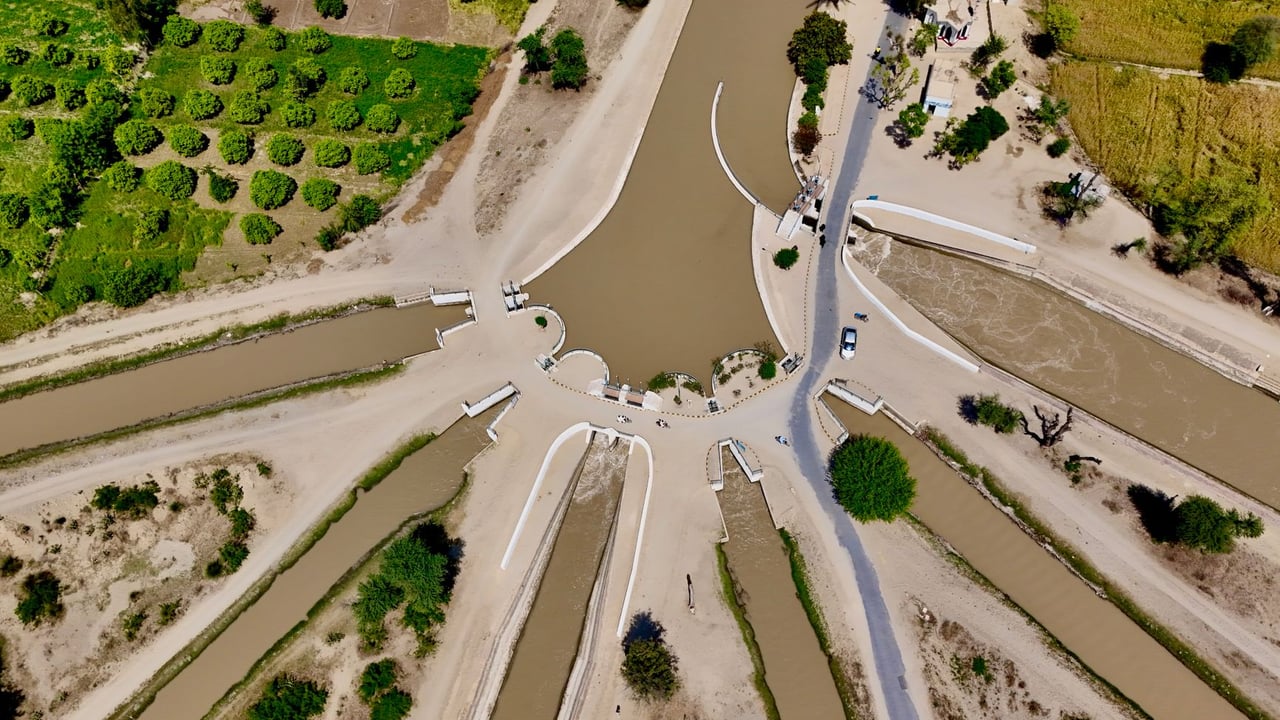
Photo by Kashif Shah on Pexels
The Brief
The container vessel Huihai 5688 completed cargo operations at Qinzhou Port in Guangxi on September 10, marking the first time an inland river container ship arriving via the Pinglu Canal handled cargo at a Beibu Gulf seaport, according to China News Service. Loaded with 200 twenty-foot equivalent units (TEUs) of potash fertilizer and other goods, the vessel departed for Nanning Port's Liujing operational area, testing direct waterborne connections between the inland Xijiang river system and coastal shipping terminals.
Why it matters
The successful berthing, loading, and departure of the first inland river container vessel at Qinzhou Port confirms the practical feasibility of direct river-to-seaport cargo operations via the Pinglu Canal, testing logistical integration between inland Guangxi and maritime sea routes.
China context
The Pinglu Canal is a core infrastructure initiative within the New International Land-Sea Trade Corridor. By creating a direct southern maritime outlet for Nanning and southwestern hinterlands, Beijing seeks to reduce shipping distances, lower logistics costs, and diversify export routes that traditionally traveled eastward through Guangdong along the Pearl River system.
Editor's View
EDITOR'S VIEW — Analysis and inference, not factual reporting.
The maiden trial of the Huihai 5688 demonstrates technical interoperability between river vessels and ocean terminal berths, but questions remain regarding economic efficiency. Observers should track turnaround times at locks, lock-chamber draft constraints, and the cost differential compared to existing rail and barge routes along the Pearl River to determine whether shipping lines will transition to regular commercial schedules.
What to watch
- Total transit time and unloading status of the Huihai 5688 upon arrival at Nanning Port's Liujing operational area
- Schedules for routine commercial sailings between inland river ports and Beibu Gulf coastal terminals
- Infrastructure testing and lock clearance timelines leading to full-scale formal opening of the Pinglu Canal
Key Takeaways
- 1The container vessel Huihai 5688 completed loading operations at Qinzhou Port on September 10 after arriving via the Pinglu Canal.
- 2The ship loaded 200 TEUs of cargo, including potash fertilizer, before departing upstream toward Nanning Port's Liujing operational area.
- 3This was the first time a Beibu Gulf seaport handled an inland container vessel from the Xijiang River basin via the newly built canal.
On September 10, the inland container vessel Huihai 5688 completed cargo loading operations at Berth No. 1 of the Dalanping South operational area at Qinzhou Port, part of Guangxi's Beibu Gulf Port network, before setting sail. According to a report by China News Service citing Beibu Gulf Port Co., Ltd., this marks the first time that a Beibu Gulf seaport has serviced a container vessel originating from the inland Xijiang River basin via the Pinglu Canal.
The vessel took on 200 twenty-foot equivalent units (TEUs) of cargo, including potash fertilizer, at Qinzhou Port. Following the completion of stevedoring, the ship began its northbound journey upstream, traveling back through the Pinglu Canal directly toward the Liujing operational area of Nanning Port.
Chinese state media described the operation as a key milestone linking river and ocean freight, characterizing it as the start of an interconnected transport network between the Beibu Gulf and the Xijiang river basin. The canal is intended to provide landlocked western provinces with a direct, shortened maritime gateway to Southeast Asia and international sea routes, bypassing longer transit routes through the Pearl River Delta in Guangdong.
The voyage serves as an operational test for cargo handling procedures, berth adaptability, and waterborne transit between inland waterways and deep-water coastal terminals. Moving containerized bulk agricultural inputs like potash fertilizer directly from maritime terminals to inland agricultural processing centers highlights the industrial logistics use case envisioned by regional planners.
While the trial run demonstrates the feasibility of inland-coastal ship movement through the canal infrastructure, broader commercial adoption will depend on operational efficiency. Key variables include transit speeds through navigation locks, water depth management along the canal route, and freight rate competitiveness compared to established rail and river-sea transshipment corridors.
Sources
- 首艘经平陆运河集装箱江船在钦州港顺利完成作业-中新网视频 — China News Service · 9/11/2026