
Defense & StrategyAnalysis
China Expands Integrated Defense Framework Across Land and Maritime Borders
Military and local authorities integrate armed forces, law enforcement, and civilian militias to modernize perimeter control and border governance.
Share
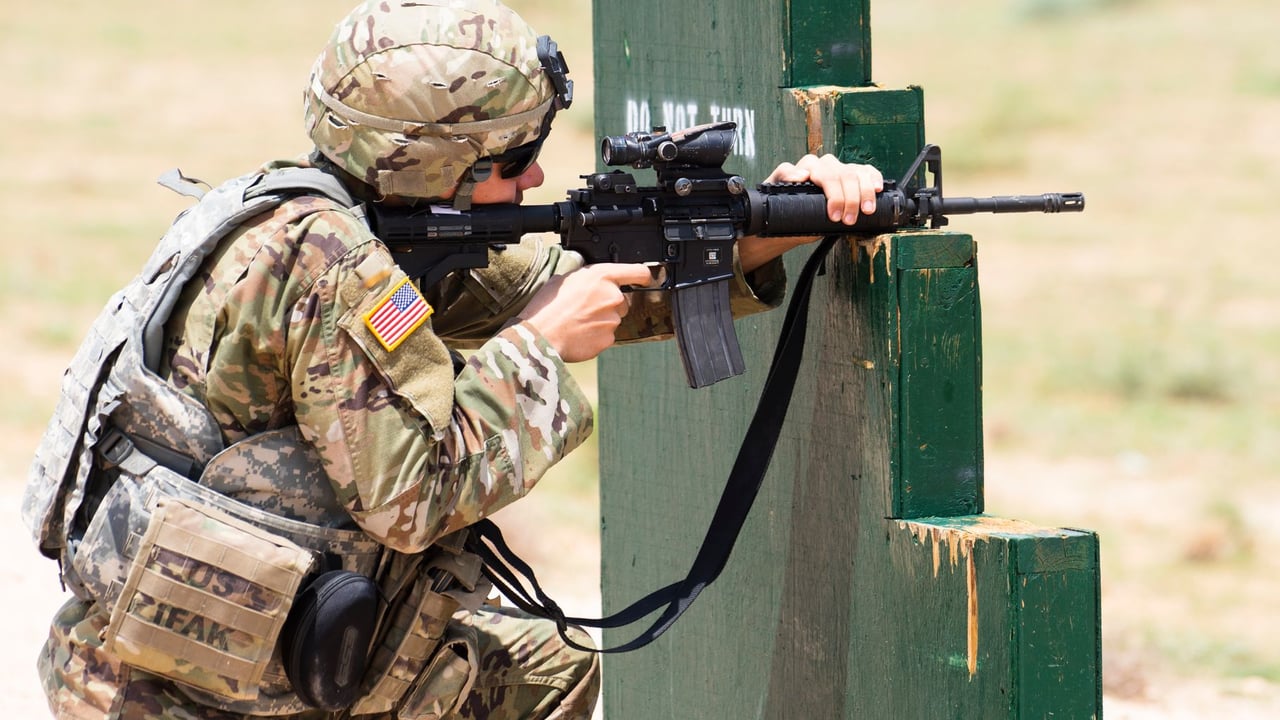
Photo by Matthew Hintz on Pexels
The Brief
China is accelerating the restructuring and modernization of its border and coastal defense systems, emphasizing an integrated civil-military approach across its 22,000 kilometers of land frontiers and 18,000 kilometers of coastline. According to reports from the People's Liberation Army Daily, the framework combines standing military units, armed police, immigration authorities, and civilian border defense patrols under unified local and regional coordination mechanisms. The initiative pairs security hardening with regional development, seeking to replace fragmented physical barriers with institutionalized joint operations and community-based surveillance.
Why it matters
Border and coastal defense serves as the operational baseline for territorial integrity and sovereign control. Beijing's shift from standalone military outposts toward an institutionalized, multi-agency apparatus reflects an evolving national security doctrine that links frontier security directly to domestic stability, regional economic integration, and cross-border governance.
China context
Under top-level directives, Chinese military planners view modern border, coastal, and air defense as a necessary component of comprehensive armed forces modernization. By implementing the 'Party-government-military-police-civilian' joint defense mechanism, Beijing integrates frontier security with rural poverty alleviation, local infrastructure expansion, and border trade corridors.
Editor's View
EDITOR'S VIEW — Analysis and inference, not factual reporting.
The operational core of China's contemporary border defense strategy is structural coordination rather than sheer troop numbers. By formalizing the division of labor among provincial military commands, immigration police, and specialized civilian militias, Beijing reduces the operational burden on regular frontline military units while maintaining pervasive local surveillance. The model relies heavily on tying border populations economically to state security tasks, effectively turning frontier communities into permanent monitoring networks.
What to watch
- Follow-up reporting from official military media on border modernization in southwestern transit hubs and northwestern trade gateways.
- The operational integration of specialized militia units handling reconnaissance and digital surveillance along frontier corridors.
- Infrastructure developments, such as patrol stations and utility networks, supporting sustained deployments in remote border regions.
Key Takeaways
- 1State media outlines an integrated defense framework covering more than 22,000 km of land frontiers and 18,000 km of coastline.
- 2Frontier defense has been reorganized into joint operational mechanisms combining military forces, armed police, immigration authorities, and local civilian leadership.
- 3Regional models, such as Yunnan's 'five-in-one' system and Inner Mongolia's three-tier command network, institutionalize inter-agency coordination.
- 4Specialized civilian militias and local patrol personnel are increasingly tasked with targeted roles, including reconnaissance, rapid repair, and perimeter surveillance.
China is reinforcing and reorganizing its national border and coastal defense apparatus, transitioning from isolated frontier outposts toward a multi-tiered, civil-military control network across its periphery. According to official coverage published by the People's Liberation Army Daily, the modern border architecture spans China's more than 22,000 kilometers of land borders and 18,000 kilometers of mainland coastline, focusing on integrated coordination between military commands, government authorities, and local populations.
The structural reforms stem from high-level leadership directives emphasizing that modern border, coastal, and air defense are vital components of military modernization and broader national security. Rather than relying solely on traditional static barriers and regular ground forces, authorities have overhauled force structures to establish joint command and response mechanisms between the military, the People's Armed Police, national immigration authorities, and civilian administrations.
In regional implementations, frontier authorities have established formalized governance frameworks tailored to local terrain. In Yunnan Province's Dehong Dai and Jingpo Autonomous Prefecture, military and civilian authorities have adopted a 'five-in-one' border governance model in which Party committees provide strategic direction, local governments coordinate logistics, military units provide core defense capabilities, police handle enforcement, and local communities form the monitoring foundation. In Inner Mongolia, administrative bodies across the regional, league, and banner levels operate unified command platforms that link provincial military commands with armed police and border inspection stations.
Auxiliary and reserve forces are also seeing revised operational mandates. Defense authorities have restructured civilian militia formations to focus on specialized roles, including frontier reconnaissance, perimeter sealing, and rapid infrastructure repair. In regions like Xinjiang, logistical investments such as border police substations and dedicated patrol posts equipped with independent power and water systems have improved operational sustainability for frontier patrol personnel.
State media notes that this posture links security enforcement directly with local economic stability and infrastructure expansion. By framing frontier management around coordinated multi-agency command structures and sustained community presence, Beijing aims to solidify long-term control over its extensive perimeter.
Sources
- 万里边疆展新颜——新时代边海防建设高质量发展综述 - 中国军网 — China Military Online · 8/15/2026