
Policy & RegulationAnalysis
China Names Second Batch of 32 Pilot Cities for Retail Innovation
Four central government agencies designate cities across multiple provinces to trial digital empowerment, supply chain upgrades, and store-level revamps.
Share
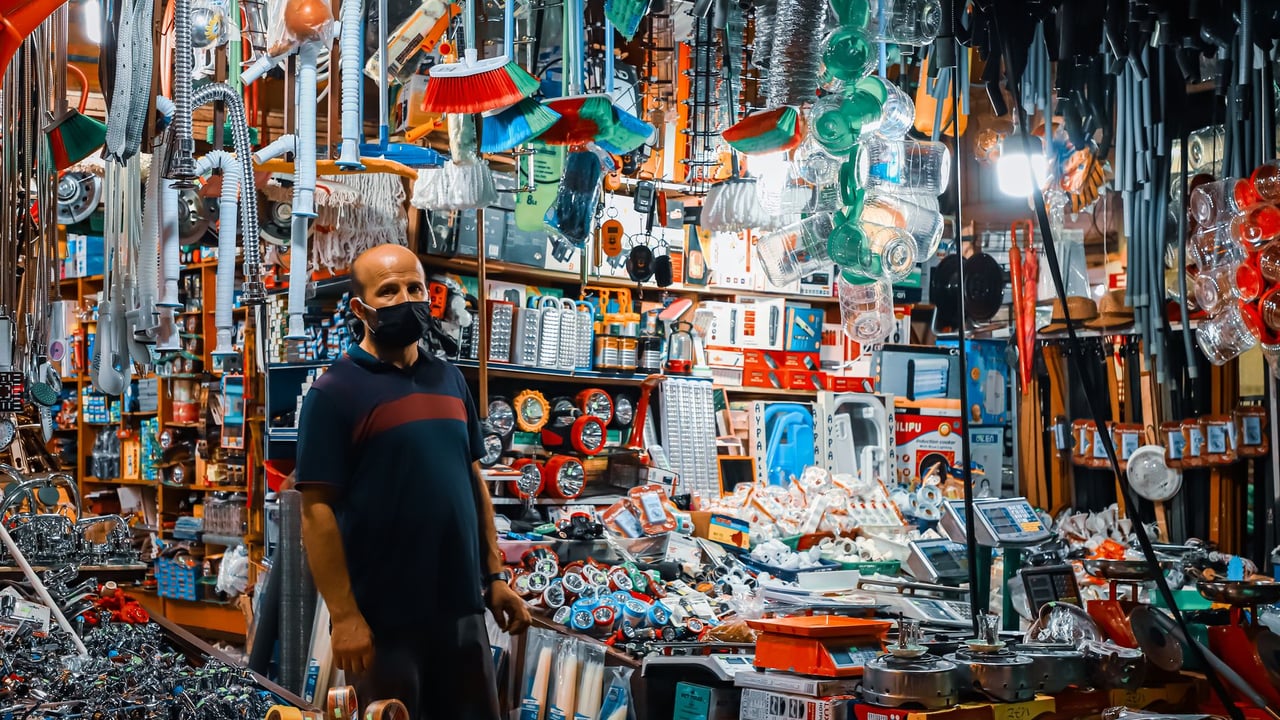
Photo by Emrah Yazıcıoğlu on Pexels
The Brief
China's Ministry of Commerce and three other ministerial bodies have released the second batch of 32 national pilot cities tasked with spearheading retail innovation and modernization. Selected localities—spanning municipal centers such as Ningbo, Wuxi, Baoding, and Yichang—are instructed to pursue tailored store revamps, digital integration, supply chain improvements, and diversified business formats. The initiative aims to build a modern retail network featuring balanced layout, high-quality services, and green operations as part of Beijing's broader push to foster sustainable consumption.
Why it matters
Retail serves as a vital conduit for domestic consumption and household living standards. Expanding the national innovation pilot to 32 additional cities provides localized testing grounds to modernize commodity circulation, upgrade traditional physical storefronts, and advance digital and low-carbon commercial ecosystems across various tiers of urban economies.
China context
Beijing has placed domestic demand and consumption expansion at the core of its economic agenda. Upgrading retail infrastructure and operational efficiency in secondary and tertiary cities helps remove logistics bottlenecks, revitalize brick-and-mortar storefronts facing e-commerce headwinds, and foster scalable commercial modernization models.
Editor's View
EDITOR'S VIEW — Analysis and inference, not factual reporting.
The selection of cities reflects a clear geographical and tiered distribution, leaning heavily into regional commercial hubs such as Wuxi, Ningbo, Xiangyang, and Wuhu rather than just first-tier megacities. By advising a focus on customized store-by-store retrofits and supply chain resilience, central authorities appear focused on practical improvements to everyday consumption environments rather than top-down generic mandates.
What to watch
- Official publication of the complete list of all 32 pilot cities and their municipal implementation agendas
- Concrete rollout of store-level retrofits and digital infrastructure initiatives following the Changchun work conference
- Potential fiscal, municipal, or financial support mechanisms introduced to assist local retail operators during the transformation
Key Takeaways
- 1The Ministry of Commerce and three partner departments designated 32 cities for national retail innovation pilots.
- 2Named cities include regional commercial hubs such as Ningbo, Wuxi, Wenzhou, Baoding, and Yichang.
- 3Key focus areas encompass store-by-store tailored retrofits, supply chain enhancements, digital upgrades, and diversified retail models.
- 4A national implementation conference was convened in Changchun on September 2-3 to exchange best practices.
China's Ministry of Commerce, together with three other government departments, has released a roster of 32 cities designated as the country's second batch of pilot locations for national retail innovation and upgrading, state media outlet Xinhua reported.
The initiative is designed to accelerate structural improvements across physical and omnichannel commerce. Selected localities include Qinhuangdao and Baoding in Hebei province; Jinzhong in Shanxi province; Wuxi and Yangzhou in Jiangsu province; Ningbo and Wenzhou in Zhejiang province; Wuhu and Anqing in Anhui province; Jiujiang in Jiangxi province; Kaifeng and Xuchang in Henan province; and Xiangyang and Yichang in Hubei province, among others.
According to an official notice issued by the general offices of the four ministries, the pilot cities are encouraged to focus on customized, store-by-store scenario transformations—often referred to as 'one store, one strategy' revamps—alongside supply chain optimization, digital empowerment, and diversified commercial formats.
Authorities directed local governments in the pilot jurisdictions to boldly explore innovations across regulatory policy, administrative oversight, and operational business models. The overarching objective is to establish a modern retail system characterized by abundant product supply, balanced spatial distribution, diversified retail channels, high-quality consumer service, intelligent and convenient access, and green, low-carbon operations.
To coordinate implementation, the Department of Circulation Development under the Ministry of Commerce convened a national work conference in Changchun, Jilin province, on September 2 and 3. The meeting focused on reviewing initial experiences, sharing effective localized practices, and outlining next steps to drive high-quality development across the broader commercial circulation sector.
Sources
- 第二批32个全国零售业创新提升试点城市名单公布--经济·科技--人民网 — People's Daily · 9/3/2026