
Policy & RegulationAnalysis
China and Nepal Coordinate Emergency Response After Border Glacial Disaster
Foreign Minister Wang Yi speaks with Nepali counterpart Shishir following a deadly cross-border debris flow triggered by glacial collapse.
Share
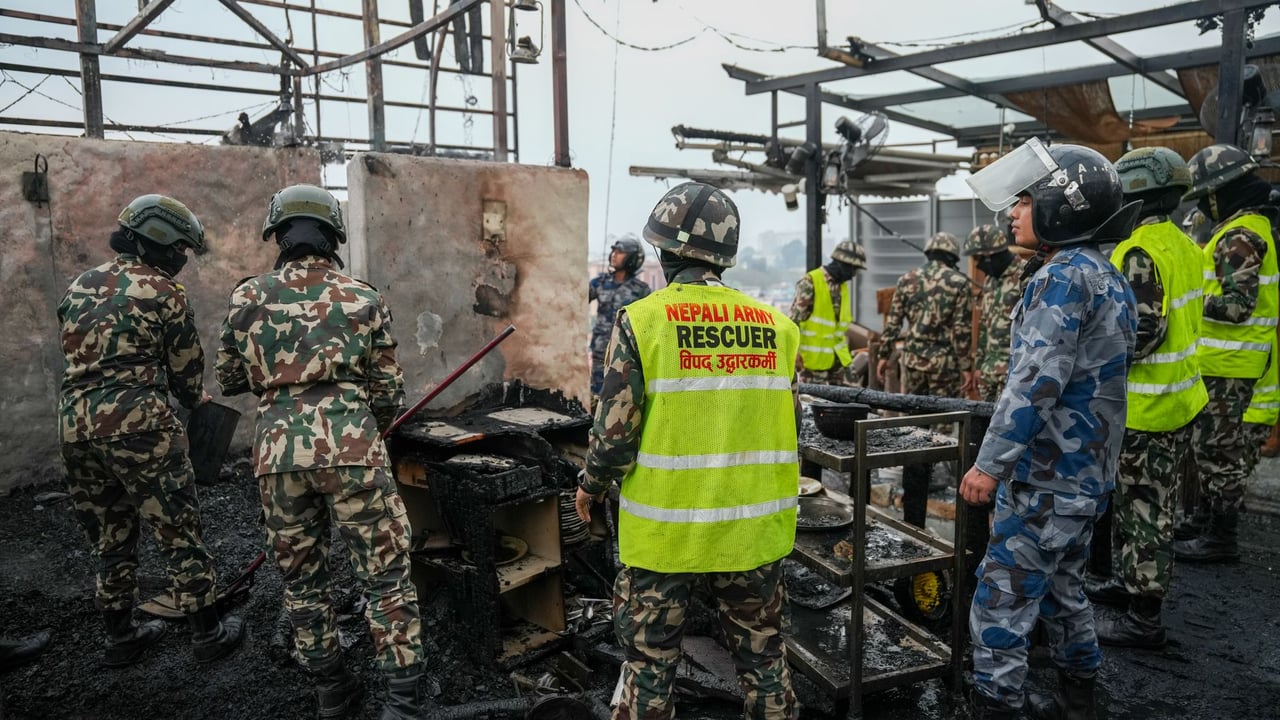
Photo by Bijen Amatya on Pexels
The Brief
Chinese Foreign Minister Wang Yi held a phone call with Nepali Foreign Minister Shishir on August 29 following a severe glacial collapse and debris flow along their shared border. Wang described the event as the most serious cross-border disaster between the two countries in recent years, which caused significant casualties and left individuals missing on both sides. Beijing announced an emergency assistance package including cash aid, humanitarian relief supplies, satellite and hydrological data sharing, and the deployment of tunnel rescue specialists to Nepal.
Why it matters
The cross-border disaster underscores the shared climate and geological vulnerabilities along the Himalayan frontier. Rapid bilateral coordination—involving satellite imagery, hydrological alerts, and specialized technical teams—demonstrates operational disaster-management mechanisms between Beijing and Kathmandu during high-stakes regional emergencies.
China context
The response was elevated to the highest levels of the Chinese leadership. The Politburo of the Communist Party of China Central Committee held a meeting directing international disaster relief cooperation with Nepal, while Premier Li Qiang visited affected domestic areas to oversee operations. Top leadership also sent formal messages of condolence to Nepali President Ram Chandra Poudel and Prime Minister Pushpa Kamal Dahal.
Editor's View
EDITOR'S VIEW — Analysis and inference, not factual reporting.
The swift diplomatic and technical mobilization highlights China's focus on maintaining stable ties and proactive humanitarian engagement with its Himalayan neighbor. By sharing upstream barrier lake warnings and deploying specialized tunnel rescue personnel, Beijing is positioning its technical infrastructure capabilities as critical cross-border public goods. For Nepal, reciprocated search and rescue efforts for stranded Chinese nationals demonstrate mutual operational reliance during transboundary crises.
What to watch
- Deployment and progress of Chinese rescue teams operating in Kathmandu and impacted disaster zones
- Hydrological monitoring and mitigation efforts regarding upstream barrier lakes along the border
- Search, rescue, and repatriation operations for affected Chinese and Nepali nationals
Key Takeaways
- 1Glacial collapse along the China-Nepal border triggered severe debris flows, causing major casualties and missing persons on both sides.
- 2China's leadership approved emergency cash assistance, humanitarian supplies, and specialized tunnel rescue personnel for Nepal.
- 3Bilateral authorities are sharing satellite imagery and hydrological data, including early warnings on upstream barrier lakes.
- 4Both nations agreed to cooperate on searching for missing persons and facilitating the return of stranded citizens.
Chinese Foreign Minister Wang Yi spoke by phone with Nepali Foreign Minister Shishir on August 29 to coordinate emergency responses following a catastrophic glacial collapse and debris flow along the China-Nepal border, according to state media reports.
Wang characterized the incident as the most severe cross-border disaster between the two nations in recent years, noting that it caused substantial casualties and left numerous people missing on both sides of the frontier. He stated that the complexity and difficulty of the rescue operations were unprecedented.
China's senior leadership has treated the disaster as a top priority. President Xi Jinping issued directives on rescue and emergency handling, while Premier Li Qiang traveled to the disaster scene to guide operations domestically. The Politburo of the Central Committee of the Communist Party of China decided during a meeting to provide emergency assistance to affected areas in Nepal and carry out international rescue cooperation, Wang noted.
Beijing is rolling out an aid package consisting of emergency cash assistance and humanitarian materials, with relief supplies scheduled to arrive in Kathmandu. In addition, Chinese tunnel rescue experts have deployed along two routes toward the disaster zones and the Nepali capital. Chinese authorities have also shared disaster-zone imagery, satellite feeds, and hydrological data—including early-warning information on an upstream barrier lake—with Nepal.
Wang added that China has made arrangements for Nepali citizens stranded on the Chinese side of the border to return home soon and requested that Nepal continue its efforts to locate and evacuate Chinese nationals caught in the disaster.
Foreign Minister Shishir conveyed condolences from Nepal's leadership to the Chinese government and families of the victims. He thanked China for providing prompt emergency aid despite dealing with damage within its own borders, stating that Kathmandu remains committed to working closely with Chinese teams to locate trapped and missing personnel, as well as foreign citizens in the area. Shishir added that Nepal aims to deepen bilateral cooperation in post-disaster reconstruction, disaster risk reduction, and climate change response.
Sources
- 王毅同尼泊尔外长希西尔通电话 — National Business Daily · 8/30/2026
- 王毅同尼泊尔外长通电话:面对灾情,两国要坚定站在一起 — China News Service · 8/30/2026