
Policy & RegulationAnalysis
China Optimizes Departure Tax Refunds to Boost Inbound Tourist Spending
Streamlined rebate procedures and diverse retail offerings support foreign traveler consumption at major transit hubs.
Share
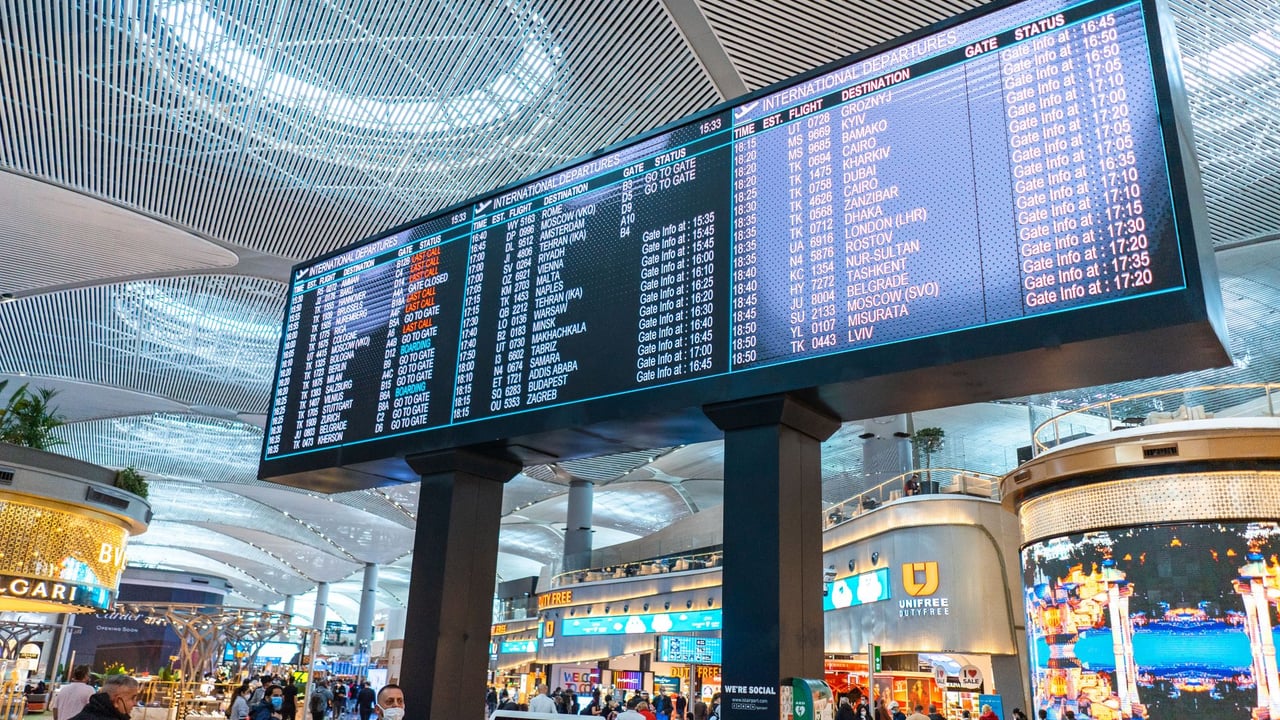
Photo by Atlantic Ambience on Pexels
The Brief
Chinese authorities are advancing departure tax refund optimizations to stimulate inbound tourism and international retail spending, state media reported. As foreign visitors add a broader range of domestic consumer goods to their shopping itineraries, customs and tax departments are refining verification workflows at key aviation hubs. The push complements wider national initiatives—including expanded visa exemptions and enhanced foreign payment facilitation—aimed at driving retail revenue and establishing prominent metropolitan centers as international consumption hubs.
Why it matters
The steady rise in departure tax refund processing and claimed rebate values highlights the resurgence of inbound travel and demonstrates how streamlined port clearance measures directly stimulate international retail spending in China.
China context
Over the past year, China has steadily broadened its list of visa-exempt partner nations while actively lowering friction in foreign electronic payments and airport tax clearance. Major entry points, including Beijing's dual aviation hubs, are central to testing faster tax rebate verification mechanisms designed to support international consumption.
Editor's View
EDITOR'S VIEW — Analysis and inference, not factual reporting.
Attracting foreign visitors is only the initial phase of inbound tourism recovery; capturing value depends on minimizing administrative friction at the point of sale and exit. By upgrading departure tax refund workflows and diversifying eligible product categories, Chinese authorities are aligning customs and tax infrastructure with broader macroeconomic goals to stimulate domestic consumption.
What to watch
- Whether customs and taxation authorities broaden digital departure tax refund mechanisms and instant 'buy-now-refund-now' services nationwide.
- Comparative growth in departure tax rebate claim volumes across other primary port cities, including Shanghai, Guangzhou, and Shenzhen.
Key Takeaways
- 1Chinese authorities are refining departure tax refund processes to support increased spending by foreign travelers.
- 2Inbound visitors are diversifying shopping selections, leading customs and tax departments to streamline port clearance and verification workflows.
- 3The tax refund enhancements complement ongoing nationwide policies, including visa-free travel expansions and modernized foreign payment infrastructure.
- 4Major transportation hubs, including Beijing's international airports, are prioritizing faster rebate verification to bolster international retail consumption.
Chinese regulatory authorities and customs hubs are refining departure tax refund mechanisms to accommodate an expanding variety of consumer goods purchased by foreign visitors, according to coverage by state media outlets including CCTV and China News Service.
The initiative comes as inbound travelers diversify their shopping lists beyond traditional souvenirs, purchasing broader categories of domestic retail products, electronics, and lifestyle goods. To support this demand, customs and tax departments at major transit gateways are accelerating verification procedures and simplifying documentation requirements for exiting foreign tourists.
The optimization of tax refund processing operates in tandem with nationwide efforts to lower logistical barriers for international travelers. Over recent months, Chinese authorities have implemented targeted policy adjustments, such as broadening unilateral and bilateral visa-free entry arrangements, upgrading cross-border payment acceptance across retail outlets, and reducing processing bottlenecks at key aviation and maritime ports.
Major international transit centers, such as Beijing's dual-airport gateway, serve as critical focal points for the implementation of streamlined rebate verification services. By improving operational efficiency at exit inspection counters, authorities aim to encourage higher per-capita spending during foreign visitors' stays and establish key urban centers as competitive international consumption hubs.
As regulatory bodies monitor the implementation of updated rebate workflows, industry observers are tracking whether expedited mechanisms, such as digitized claim submissions and immediate retail-level refund systems, will see broader standardized rollout across major commercial entry ports nationwide.
Sources
- 外国游客购物清单上“新成员”增多 离境退税措施再优化推高入境消费热力 — China News Service · 8/7/2026