
Policy & RegulationAnalysis
China Revokes 40,000 Power Bank Certificates in Certification Crackdown
Market regulators cancelled credentials for 18 certification agencies as scrutiny over lithium-battery safety intensifies.
Share
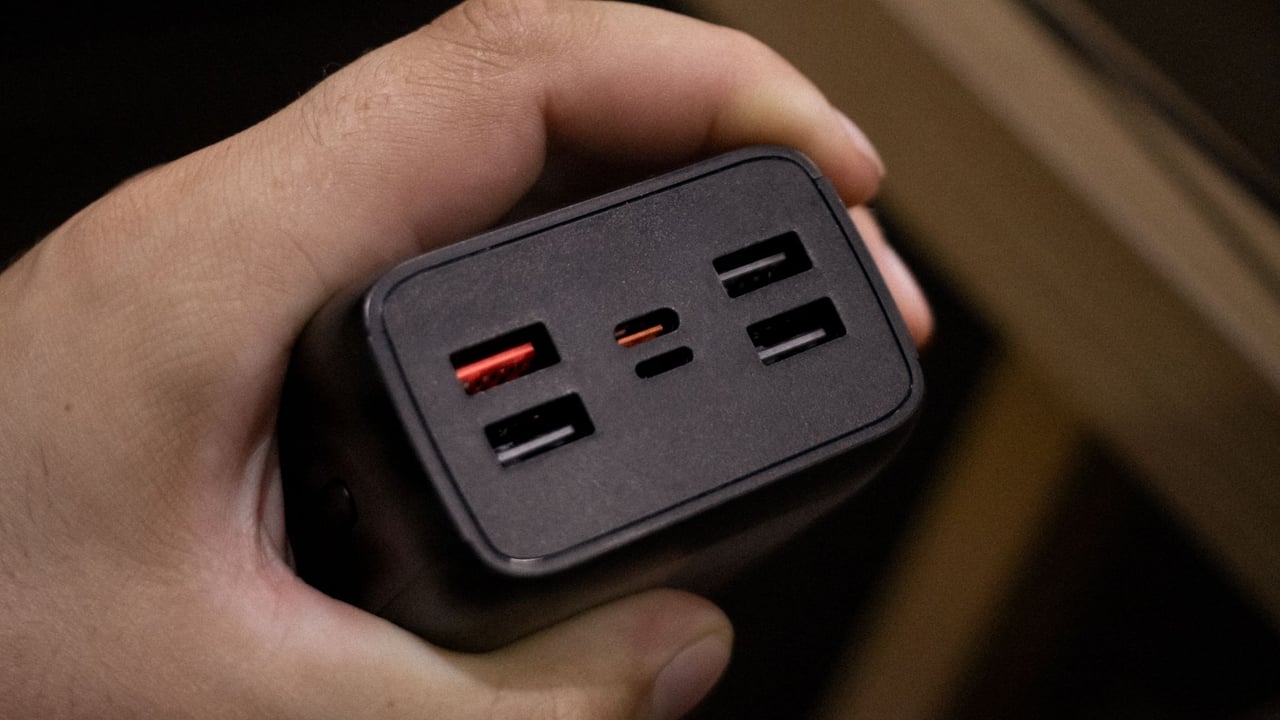
Photo by Pedro Paiva on Pexels
The Brief
China's market regulators have revoked more than 40,000 China Compulsory Certification (3C) certificates for portable power banks and cancelled the operating qualifications of 18 certification bodies, according to state and financial media reports. At a September 18 briefing on quality certification oversight, the State Administration for Market Regulation cautioned consumers about the physical and chemical hazards of lithium-battery products, urging vigilance against overcharging and abnormal heat as authorities tighten scrutiny over manufacturing standards and third-party inspection agencies.
Why it matters
Portable power banks are ubiquitous consumer electronics, but lithium-battery defects pose acute personal and public safety risks, including fires and explosions. The large-scale revocation of 3C certificates and disqualification of certification agencies signal that Chinese authorities are actively targeting lax vetting and irregular testing at the certification source, forcing the consumer hardware supply chain to comply with mandatory technical baselines.
China context
China incorporated lithium-ion batteries and power banks into its mandatory CCC (China Compulsory Certification) framework to impose binding safety thresholds. The latest enforcement actions indicate a transition from initial regulatory rollouts toward active policing of accredited inspection entities, highlighting Beijing's broader emphasis on product liability, supply-chain quality control, and the elimination of substandard electronic goods from major commerce channels.
Editor's View
EDITOR'S VIEW — Analysis and inference, not factual reporting.
The enforcement drive highlights a crucial bottleneck in China's product safety apparatus: the integrity of third-party conformity assessment bodies. By stripping 18 testing organizations of their qualifications, regulators acknowledge that market non-compliance often stems from compromised gatekeepers rather than regulatory absence alone. For hardware brands and component suppliers, this cleanup marks an end to superficial compliance exercises and indicates that downstream platforms may soon face stricter liability for carrying invalidated inventory.
What to watch
- Whether SAMR publishes a formal registry naming the 18 disqualified certification bodies and detailing specific violations
- Delisting and recall actions across major Chinese e-commerce platforms targeting power banks whose 3C certifications were revoked
- Subsequent regulatory inspections targeting battery suppliers, assembly plants, and independent technical auditing firms
Key Takeaways
- 1Over 40,000 3C certificates for power banks have been revoked, alongside qualification cancellations for 18 certification bodies, according to Yicai.
- 2SAMR hosted a dedicated press conference on quality certification supervision, highlighting hazards associated with lithium-ion consumer hardware.
- 3Regulatory officials cautioned against overcharging, structural damage, and thermal risks, warning that internal dendrites and compromised separators cause severe battery fires.
- 4The regulatory campaign indicates heightened administrative scrutiny over testing and certification agencies tasked with verifying national safety standards.
Chinese market regulators have revoked more than 40,000 China Compulsory Certification (3C) certificates for portable power banks and cancelled the qualifications of 18 certification bodies, according to domestic media reports covering a targeted regulatory clean-up.
The figures, reported by financial news outlet Yicai, coincide with a press conference held by the State Administration for Market Regulation (SAMR) focused on strengthening oversight of quality certification systems across consumer products.
At the briefing, Yang Dong, deputy director of SAMR's Certification Supervision Department, outlined the inherent safety hazards associated with lithium-ion power banks. Yang explained that the lithium batteries used in these devices rely on flammable liquid electrolytes with highly active chemical characteristics. Severe physical impact, compression, or the internal growth of lithium dendrites over extended usage can rupture the internal separator, triggering short circuits, thermal runaway, smoke, or open flames.
Yang cautioned consumers against prolonged or continuous overcharging, advising users to disconnect devices immediately once fully powered. SAMR also urged users to avoid exposing portable batteries to high temperatures or low-pressure environments, to maintain unused units at approximately half charge for long-term storage, and to immediately cease using any device showing signs of swelling, abnormal heat, or casing deformation.
The wave of certificate cancellations reflects a growing push by regulatory authorities to police conformity assessment bodies. Under Chinese law, power banks and lithium-ion battery packs require mandatory 3C certification before they can be legally manufactured, sold, imported, or utilized in commercial operations.
While SAMR's briefing detailed consumer precautions and safety guidelines, the revocation of tens of thousands of product certificates points to structural clean-ups within the broader consumer electronics market. As regulatory enforcement moves from initial policy implementation to auditing historical approvals, both testing agencies and electronics manufacturers face heightened pressure to ensure documented safety compliance aligns with physical product performance.
Sources
- 18家认证机构注销资质,充电宝3C证书撤销超4万张 — Yicai · 9/18/2026
- 市场监管总局提醒:充电宝切勿久充过充!-中新网视频 — China News Service · 9/18/2026