
Policy & RegulationAnalysis
China, Russia Deepen Energy Ties at 8th Business Forum in Vladivostok
Vice Premier Ding Xuexiang read a message from Xi Jinping, hailing 30 years of evolving energy ties from crude trade to full industrial chains.
Share
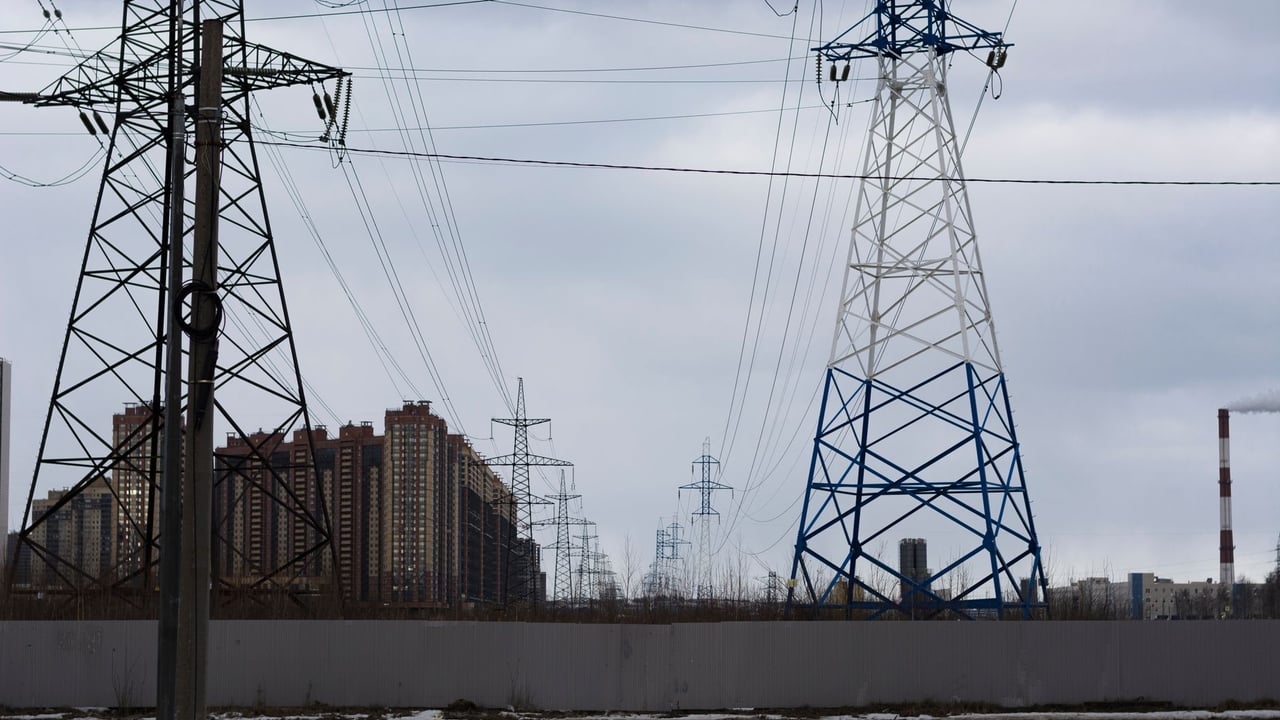
Photo by Vitali Adutskevich on Pexels
The Brief
Chinese Vice Premier Ding Xuexiang attended the opening ceremony of the 8th China-Russia Energy Business Forum in Vladivostok on September 4, reading a congratulatory letter from President Xi Jinping and delivering remarks. Ding highlighted energy cooperation as a cornerstone of China-Russia practical cooperation, emphasizing that bilateral energy trade has grown steadily this year alongside on-schedule project delivery. Marking 30 years of bilateral strategic partnership, Ding noted energy ties have broadened from simple crude oil purchases into comprehensive full-chain cooperation.
Why it matters
Energy trade remains the economic backbone of Beijing-Moscow relations. As global energy markets face persistent geopolitical friction and sanctions, the forum provides a top-level coordination platform to secure China's hydrocarbon imports and support Russia's eastward energy pivot.
China context
China prioritizes energy security and supply diversification. By dispatching Politburo Standing Committee member Ding Xuexiang to deliver Xi's message, Beijing signaled its sustained political commitment to high-level strategic cooperation with Moscow across both traditional resources and emerging technologies.
Editor's View
EDITOR'S VIEW — Analysis and inference, not factual reporting.
Ding's remarks emphasize continuity and top-level leadership guidance as the decisive engine of China-Russia energy collaboration. While public statements stressed the transition from basic crude oil shipments to full-chain supply integration, Beijing continues to balance deep economic coordination with Moscow against broader international risk exposure. Observers should note whether concrete project agreements emerge beyond established hydrocarbon frameworks.
What to watch
- Full text or specific commitments detailed in the presidential letters from Xi Jinping and Vladimir Putin.
- Announcements of new contracts or milestone progress on cross-border pipelines and liquefied natural gas projects.
- Expansion into non-fossil energy sectors, including renewables, nuclear power, and green equipment manufacturing.
Key Takeaways
- 1Vice Premier Ding Xuexiang attended the 8th China-Russia Energy Business Forum in Vladivostok, reading a congratulatory message from President Xi Jinping.
- 2Ding characterized energy cooperation as an essential cornerstone of bilateral relations, noting steady trade growth and on-schedule project development.
- 3Commemorating 30 years of strategic partnership, Ding highlighted the evolution of bilateral ties from basic crude oil trade into comprehensive supply-chain collaboration.
- 4Ding underscored top-level head-of-state guidance and mutual economic benefit as the foundational drivers for ongoing energy partnership.
Chinese Vice Premier Ding Xuexiang attended the opening ceremony of the 8th China-Russia Energy Business Forum in Vladivostok on September 4, where he read a congratulatory letter from President Xi Jinping and delivered an official address, according to Xinhua.
Ding, who sits on the Politburo Standing Committee of the Chinese Communist Party, stated that energy cooperation serves as an essential cornerstone of practical cooperation between China and Russia. He noted that under the strategic guidance of President Xi and Russian President Vladimir Putin, the comprehensive energy partnership between the two nations has maintained high-level development. According to the readout, bilateral energy trade has continued steady growth this year, with major bilateral projects proceeding firmly on schedule and cooperative initiatives expanding into new practical areas.
Highlighting the diplomatic context, Ding pointed out that this year marks the 30th anniversary of the establishment of the China-Russia strategic cooperative partnership and the 25th anniversary of the signing of the Treaty of Good-Neighborliness and Friendly Cooperation. Over the past three decades, Ding said, energy collaboration between Beijing and Moscow has evolved from a single focus on crude oil trade into comprehensive coordination across the entire industrial value chain, representing the most substantial, productive, and expansive sector within bilateral pragmatic cooperation.
Ding outlined several core perspectives drawn from the history of bilateral energy ties. He underscored that strategic guidance by the two heads of state represents the greatest institutional advantage in advancing energy ties, providing sustained top-level design and political stability. Ding also emphasized that mutual benefit and win-win outcomes remain the fundamental driving force of cooperation, noting that collaborative models balanced mutual interests across both resource extraction and technological innovation.
Sources
- 第八届中俄能源商务论坛开幕 丁薛祥宣读习近平主席贺信并致辞 — State Council of China · 9/4/2026