
Business & IndustryAnalysis
China's Social Logistics Volume Expands 5% in First Seven Months
High-tech manufacturing and county-level markets drove steady expansion across supply chains.
Share
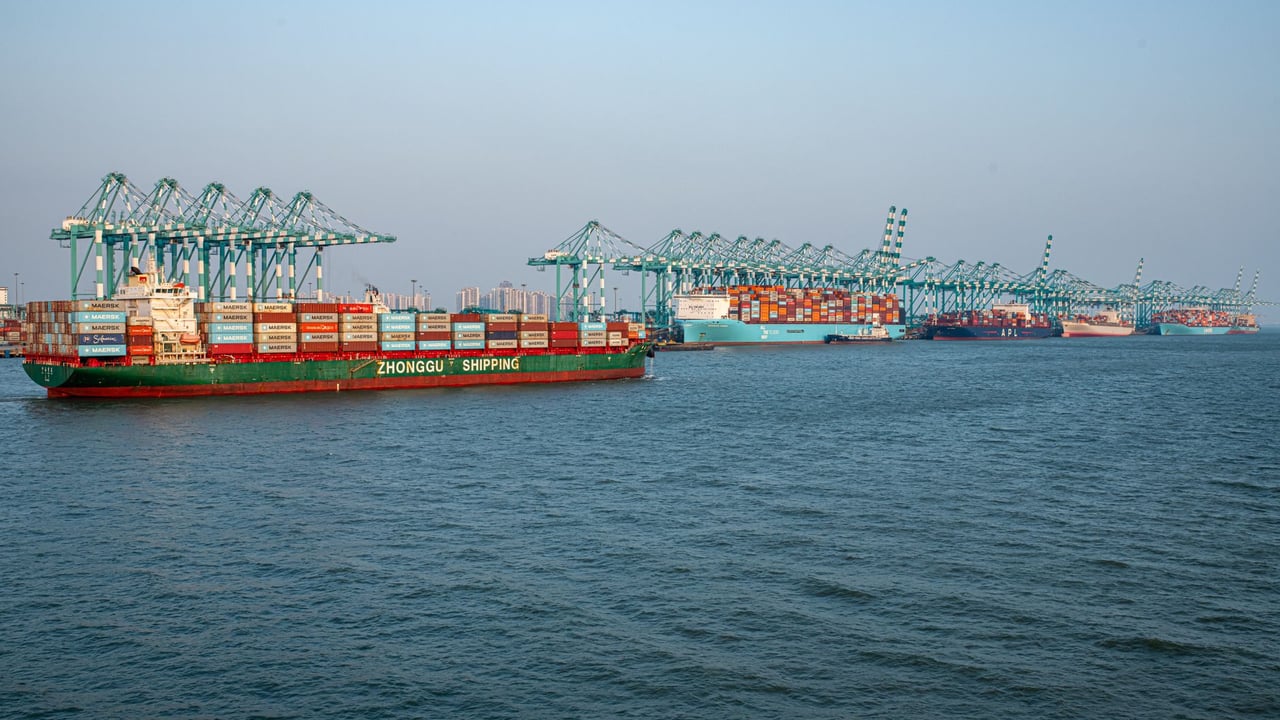
Photo by Oleksiy Yeshtokyn,🌻🇺🇦🌻 on Pexels
The Brief
China's total social logistics reached 214.5 trillion yuan in the first seven months of the year, up 5.0% year-on-year, according to data from the China Federation of Logistics and Purchasing reported by CCTV. Manufacturing logistics served as the primary growth engine, with demand tied to equipment manufacturing and high-tech manufacturing jumping 12.3% and 16.9% respectively in July. Meanwhile, personal and residential consumption logistics rose 3.7% across the seven-month period, supported by targeted domestic consumption policies and accelerating commercial activity in county-level markets.
Why it matters
Sustained 5% growth in overall logistics volume underscores resilience in China's real economy and foundational demand. High double-digit expansion in equipment and high-tech manufacturing logistics highlights that industrial upgrading is translating into tangible freight activity, while county-level logistics momentum indicates deeper market penetration beyond top-tier cities.
China context
Logistics functions as the central nervous system connecting production and consumption across China. Against Beijing's broader policy agenda of boosting domestic demand and advancing "new industrialization," the outsized growth in advanced manufacturing freight and decentralized retail fulfillment aligns closely with national structural priorities.
Editor's View
EDITOR'S VIEW — Analysis and inference, not factual reporting.
The data demonstrates a distinct divergence between conventional consumer logistics and high-end industrial activity. While residential and unit logistics grew at a modest 3.7%, advanced manufacturing logistics posted double-digit growth. This pattern confirms that industrial modernization and capital equipment investments are currently providing stronger momentum to supply chain volumes than household retail consumption alone.
What to watch
- Whether manufacturing purchasing managers' index (PMI) readings track the strong logistics growth in advanced manufacturing
- The degree to which policy measures aimed at spurring domestic consumption bolster second-half household freight demand
- Import freight trends for high-end electronics, automated machinery, and precision manufacturing inputs
Key Takeaways
- 1Total social logistics volume reached 214.5 trillion yuan in the first seven months, representing a 5.0% year-on-year increase.
- 2In July, logistics demand for equipment manufacturing rose 12.3%, while high-tech manufacturing logistics jumped 16.9%.
- 3Logistics volume for units and residential goods increased 3.7% year-on-year over the seven-month period.
- 4County-level markets saw accelerated logistics expansion as commercial trade channels broadened.
- 5Import freight remained supported by input demand in electronics, intelligent hardware, and automated manufacturing equipment.
China's nationwide social logistics volume grew 5.0 percent year-on-year in the first seven months of the year, totaling 214.5 trillion yuan, according to official data released by the China Federation of Logistics and Purchasing and reported by state broadcaster CCTV.
The figures point to continued steady expansion and structural optimization across domestic supply networks, with industrial goods logistics serving as the primary foundation and manufacturing functioning as the core growth engine. In July, manufacturing-related logistics demand rose 5.5 percent from a year earlier. Within the sector, specialized segments expanded at a substantially faster pace: logistics demand for equipment manufacturing increased by 12.3 percent, while high-tech manufacturing logistics climbed 16.9 percent, illustrating an increasing role for advanced industry in sustaining transport volumes.
Consumer-facing logistics also maintained moderate growth. From January to July, the total logistics volume for units and residential items increased by 3.7 percent compared to the same period last year. Official reports attributed the steady performance to the gradual rollout of domestic policies aimed at expanding internal demand and encouraging consumer spending. Trade and distribution channels continued to evolve, with logistics demand expanding particularly rapidly across county-level markets as commercial networks extended deeper into regional areas.
On the international trade side, import logistics reflected ongoing factory floor modernization. Sustained production requirements in computer, communications, consumer electronics, intelligent equipment, and automated manufacturing supported consistent demand for industrial inputs, driving steady import volumes in related cargo categories across the seven-month period.
Sources
- 前七个月我国物流运行稳中有进 — State Council of China · 8/29/2026