
Daily BriefAnalysis
College Applicants Favor Stable Employment Over Elite University Prestige
Discussions surrounding recent college admissions suggest growing risk-aversion among Chinese families prioritizing post-graduation job security.
Share
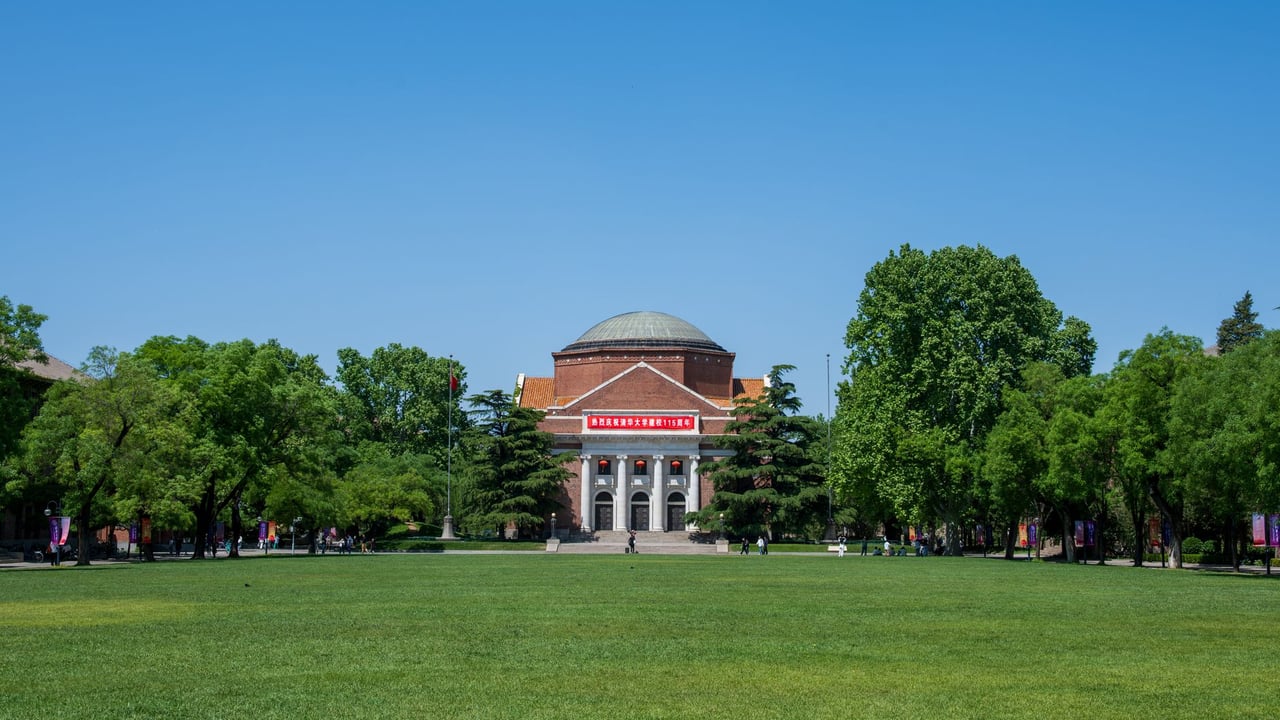
Photo by Kaca Pic on Pexels
The Brief
Recent commentary on Chinese college entrance examination choices highlights a notable shift in applicant priorities, with stable, state-backed career pathways—traditionally referred to as 'iron rice bowls'—gaining traction relative to prestigious Project 985 universities. As broader economic uncertainties weigh on private sector employment, Chinese families appear increasingly inclined to choose specialized tracks, such as police or civil service institutes, that offer clearer routes to post-graduation stability rather than relying solely on traditional academic prestige.
Why it matters
The shift in college applicant choices highlights growing economic risk-aversion among Chinese families, prioritizing post-graduation employment stability over traditional academic prestige.
China context
'985' refers to China's elite group of research universities established under Project 985, while 'iron rice bowl' (铁饭碗) refers to stable, state-backed employment such as civil service or police positions.
Editor's View
EDITOR'S VIEW — Analysis and inference, not factual reporting.
The growing preference for state-affiliated and civil service educational tracks reflects a structural change in youth expectations in China. Rather than pursuing general academic prestige at elite institutions without guaranteed job placements, students are optimizing for predictability. This trend underscores broader economic anxieties and could reshape talent distribution across the private and public sectors in the coming years.
What to watch
- Official publication of full Gaokao admission cutoffs across various provinces for police academies, political-legal institutes, and 985 universities.
- Trends in graduate employment rates between general research universities and specialized state-backed academies.
- Policy responses or curriculum shifts from top-tier universities seeking to improve graduate career outcomes.
Key Takeaways
- 1Recent reports and public discussions point to Chinese college applicants favoring stable 'iron rice bowl' career tracks over elite Project 985 research universities.
- 2Specialized institutions, such as police academies and political-legal colleges, offer clearer pathways to civil service and state-backed employment.
- 3The shift reflects growing economic risk aversion among Chinese families prioritizing post-graduation stability.
Discussions around China’s annual college admissions landscape highlight a shifting dynamic in student choices, where traditional academic prestige is increasingly weighed against long-term job security. Commentary surrounding recent higher education applications indicates that options guaranteeing stable, state-backed employment—commonly described as the 'iron rice bowl'—are competing heavily against elite research institutions established under China's Project 985.
Project 985 institutions have long represented the highest tier of Chinese higher education, historically providing graduates with significant advantages in the graduate job market. However, shifting economic expectations and intense competition in corporate sectors have prompted many students and their families to reevaluate the practical outcomes of general university degrees. In response, specialized educational tracks tied directly to public sector appointments, such as police academies and political-legal institutions, have experienced elevated popularity due to their reliable pathways into public service.
This preference points to a broader trend of economic risk aversion among Chinese households. Rather than prioritizing institutional reputation alone, applicants and parents are placing greater value on immediate post-graduation stability. Positions within state institutions or civil service frameworks offer predictable employment, healthcare, and protection against labor market fluctuations, making them increasingly desirable options during uncertain economic periods.
While specific admission cutoffs and statistics continue to be compiled across different provincial jurisdictions, ongoing public discussions underscore how deeply job security concerns are influencing student decision-making. Observers note that if comprehensive elite universities do not offer explicit guarantees regarding graduate employment outcomes, specialized public-sector tracks will likely retain their strong appeal in upcoming academic cycles. As full provincial admission results are published, the detailed cutoffs for police academies, specialized institutes, and Project 985 universities will provide clearer confirmation regarding the magnitude of this shift toward state-backed career stability.
Sources
- 今年,985输给了“铁饭碗” — NetEase · 7/22/2026
- China Daily — China Daily
- South China Morning Post — South China Morning Post
- Caixinglobal — Caixinglobal