
Business & IndustryAnalysis
Geely Xingrui L Plus Becomes First Domestic ICE Model to Feature Lidar
The integration of high-end autonomous driving hardware into a traditional fuel vehicle marks a shift in China's automotive technology landscape.
Share
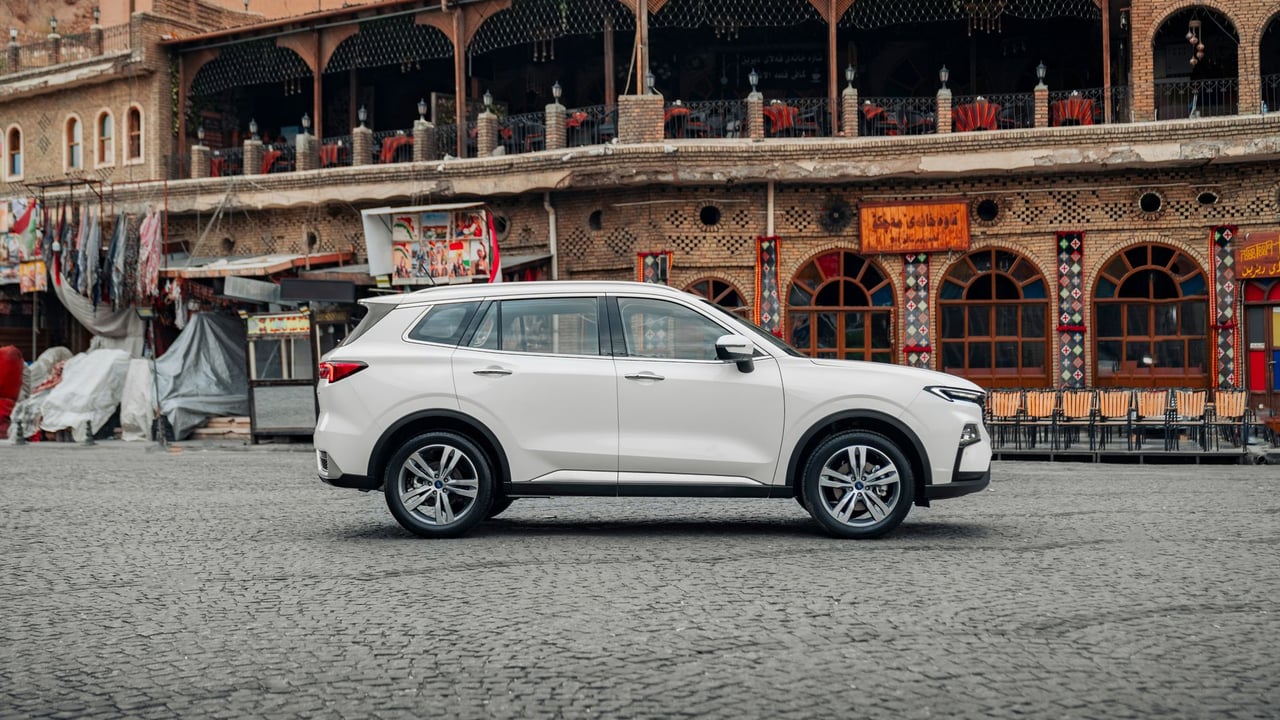
Photo by Dextar Studio ™ on Pexels
The Brief
Geely has introduced the Xingrui L Plus, a new model that distinguishes itself by being the first domestic Chinese internal combustion engine (ICE) vehicle to feature lidar technology. Traditionally reserved for new energy vehicles (NEVs), the inclusion of lidar in a fuel-powered sedan suggests a strategic move to bring advanced driver-assistance systems (ADAS) to the traditional market. Beyond its technological upgrades, the vehicle also emphasizes spaciousness, aiming to maintain competitiveness as the industry pivots toward electrification.
Why it matters
This development signals that high-level autonomous driving hardware is no longer exclusive to electric vehicles. It could trigger a technological race in the ICE segment, forcing other manufacturers to upgrade their traditional models to compete with the perceived intelligence of NEVs.
China context
As China's automotive market rapidly transitions to NEVs, traditional fuel vehicles face pressure to remain relevant. Geely's strategy involves 'intelligentizing' its ICE lineup to retain consumers who prefer traditional powertrains but desire modern tech features.
Editor's View
EDITOR'S VIEW — Analysis and inference, not factual reporting.
Geely is leveraging its supply chain and R&D scale to bridge the gap between ICE and NEV feature sets. While lidar is a significant hardware addition, the true test will be whether the software integration can match the seamless experience found in high-end EVs. This move also reflects a broader trend where 'intelligence' is becoming a baseline requirement across all propulsion types in the Chinese market.
What to watch
- The performance of the lidar-supported driving features compared to similarly priced electric vehicles.
- Consumer willingness to pay a potential premium for high-end sensors in a fuel vehicle.
- Whether other domestic brands like Changan or Chery follow suit with lidar-equipped ICE models.
Key Takeaways
- 1Geely's Xingrui L Plus is the first domestic ICE vehicle in China to feature lidar.
- 2The model emphasizes both advanced technology and significant interior space.
- 3The move brings high-end autonomous driving hardware to the traditional fuel vehicle market.
Geely has unveiled the Xingrui L Plus, marking a significant milestone in the Chinese automotive industry as the first domestic internal combustion engine (ICE) model to be equipped with lidar technology. This move challenges the prevailing industry trend where advanced perception hardware is typically reserved for high-end electric vehicles (EVs) and plug-in hybrids.
The Xingrui L Plus is positioned not only as a technologically advanced sedan but also as one that prioritizes interior space. By integrating lidar, Geely aims to provide a level of intelligent driving assistance that has historically been absent from the traditional fuel-powered segment in China. This hardware is expected to support more robust advanced driver-assistance systems (ADAS), potentially offering better performance in complex urban environments and adverse weather conditions compared to camera-only systems.
The introduction of lidar into the ICE market comes at a time when traditional fuel vehicles are under intense pressure from the rapid adoption of new energy vehicles (NEVs). In China, 'intelligence' has become a primary selling point, often synonymous with the latest EV models. By equipping a fuel-powered car with lidar, Geely is attempting to decouple high-tech features from the powertrain, offering a 'smart' alternative to consumers who may still have range anxiety or lack convenient charging infrastructure.
This development may signal the beginning of a new competitive phase for domestic manufacturers. If the Xingrui L Plus succeeds in attracting buyers, other major players in the Chinese market may be forced to upgrade the sensor suites of their own ICE lineups to maintain market share. However, the cost of lidar remains a factor, and it remains to be seen how Geely will balance the pricing of the Xingrui L Plus against its tech-heavy EV counterparts.