
Daily BriefAnalysis
Hebei Hosts Fourth Great Wall Rendezvous to Promote Cultural Heritage
The event in Qian'an brings together scholars and cultural tourism officials to discuss preservation, route development, and international engagement.
Share
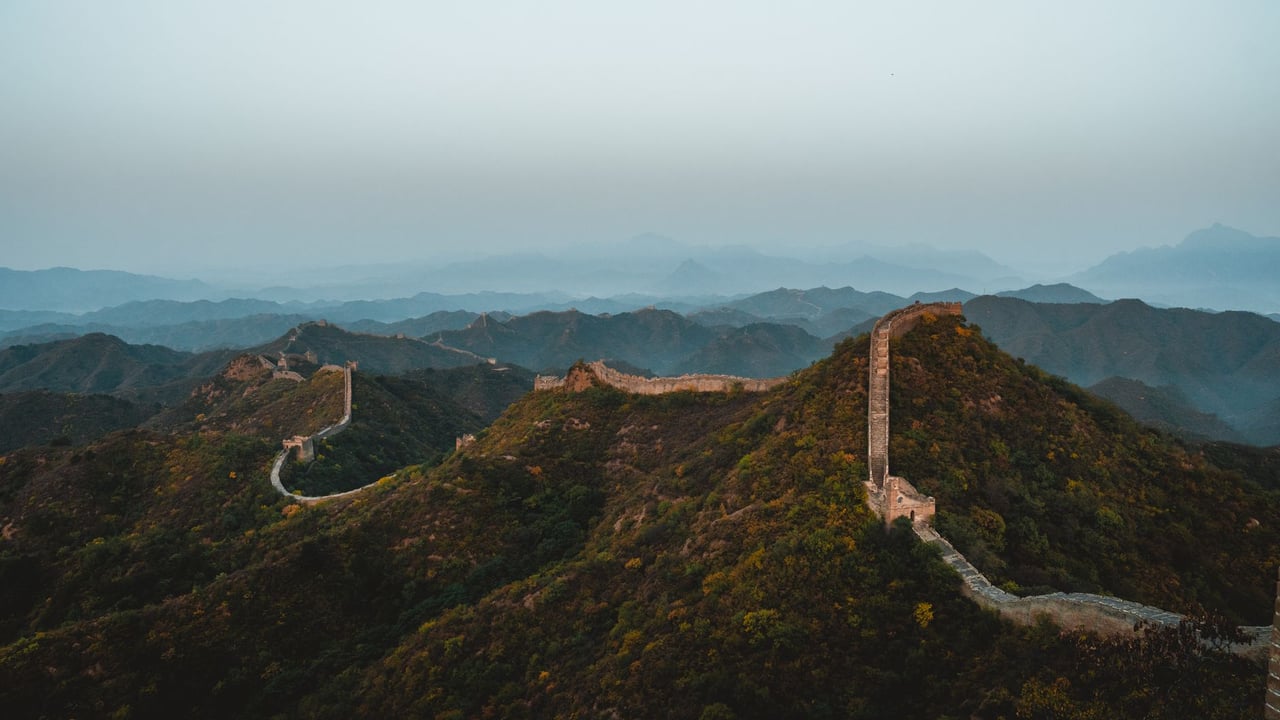
Photo by Stijn Dijkstra on Pexels
The Brief
The fourth "Great Wall Rendezvous" global promotion campaign and World Cultural Heritage dialogue opened on September 27 in Qian'an, Hebei Province. Jointly organized by provincial and municipal tourism authorities alongside China News Service units, the event gathered domestic and international scholars and photographers to examine heritage conservation, unveil curated travel itineraries, and conduct field dialogues along regional fortifications.
Why it matters
The gathering reflects local and regional efforts in northern China to integrate physical cultural preservation with tourism development and international cultural communication, aligning with ongoing national cultural park initiatives.
China context
The Great Wall is one of China's most prominent UNESCO World Heritage sites and serves as a primary focus for the country's national cultural park development framework. Local authorities across northern provinces are tasked with balancing structural conservation with cultural tourism, public education, and outbound heritage promotion.
Editor's View
EDITOR'S VIEW — Analysis and inference, not factual reporting.
Events like the Qian'an dialogue illustrate how municipal and provincial authorities in China package historic fortifications into integrated regional brands. By pairing academic panels with folk performances and curated travel routes, organizers seek to convert historical preservation work into tangible tourism drivers while maintaining state-aligned cultural heritage narratives.
What to watch
- Academic recommendations emerging from the 'Great Wall Night Talks' and expert symposiums regarding long-term conservation.
- Tourism adoption and consumer response to the newly released regional Great Wall itineraries.
- Subsequent outcomes from the Qian'an walking events and field study tours in promoting local heritage tourism.
Key Takeaways
- 1The fourth 'Great Wall Rendezvous' event opened on September 27 in Qian'an, Hebei Province.
- 2Activities include academic dialogues, theatrical performances, the release of curated travel routes, and guided field surveys.
- 3The initiative is organized by Hebei provincial and Tangshan municipal authorities alongside tourism and media groups.
The fourth "Great Wall Rendezvous" global promotion campaign and World Cultural Heritage dialogue opened on September 27 in Qian'an, a county-level city administered by Tangshan in Hebei Province, according to state-run China News Service.
The event gathered domestic and international scholars, researchers, and photographers to examine Great Wall cultural preservation and promote cross-cultural exchange. Co-organized by the Hebei Provincial Department of Culture and Tourism, the Tangshan Municipal People's Government, and the China Great Wall Tourism Marketing Promotion Alliance, the conference is being managed by entities including the Hebei bureau of China News Service, China News Service Guoshi Zhitongche, the publicity department of the Tangshan municipal Party committee, the Tangshan municipal culture, radio, television, and tourism bureau, and the Qian'an municipal government.
Organizers stated that the initiative aims to utilize the Great Wall as a cultural connective bond, supporting the protection, inheritance, and practical utilization of world cultural heritage while expanding public awareness and international outreach.
During the thematic presentation portion of the opening, organizers staged a theatrical production titled "Great Wall Echoes: Long Scroll of Mountains and Rivers." The performance chronicled the historical lineage of the site, beginning with Ming dynasty commander Qi Jiguang's border defense efforts, and incorporated multiple art forms, including traditional Leting dagu (Leting drum ballad). The dramatization traced the fortification's history through its initial construction, garrison duty, wartime defense, and contemporary artifact restoration.
Alongside the stage production, conference organizers officially released a collection of curated Great Wall travel itineraries designed to make local historical resources accessible to tourists. Keynote addresses delivered by participating specialists examined contemporary approaches to preserving the monument across cultural and operational dimensions.
The broader program features an interview series titled "Great Wall Night Talks," a 2026 Qian'an walking activity, an expert panel examining the Great Wall's historical and contemporary significance, and an on-site field study tour along regional heritage sections.
Sources
- 第四届“长城之约”全球推广活动暨世界文化遗产对话在河北迁安举行-中新网视频 — China News Service · 9/27/2026
- 第四届“长城之约”全球推广活动暨世界文化遗产对话在河北迁安举行 — China News Service · 9/27/2026