
Business & IndustryAnalysis
High-Tech Sectors Drive Half of China's Industrial Growth in Early 2026
Emerging manufacturing and digital industries underpin production and export delivery gains as automotive shipments surge.
Share
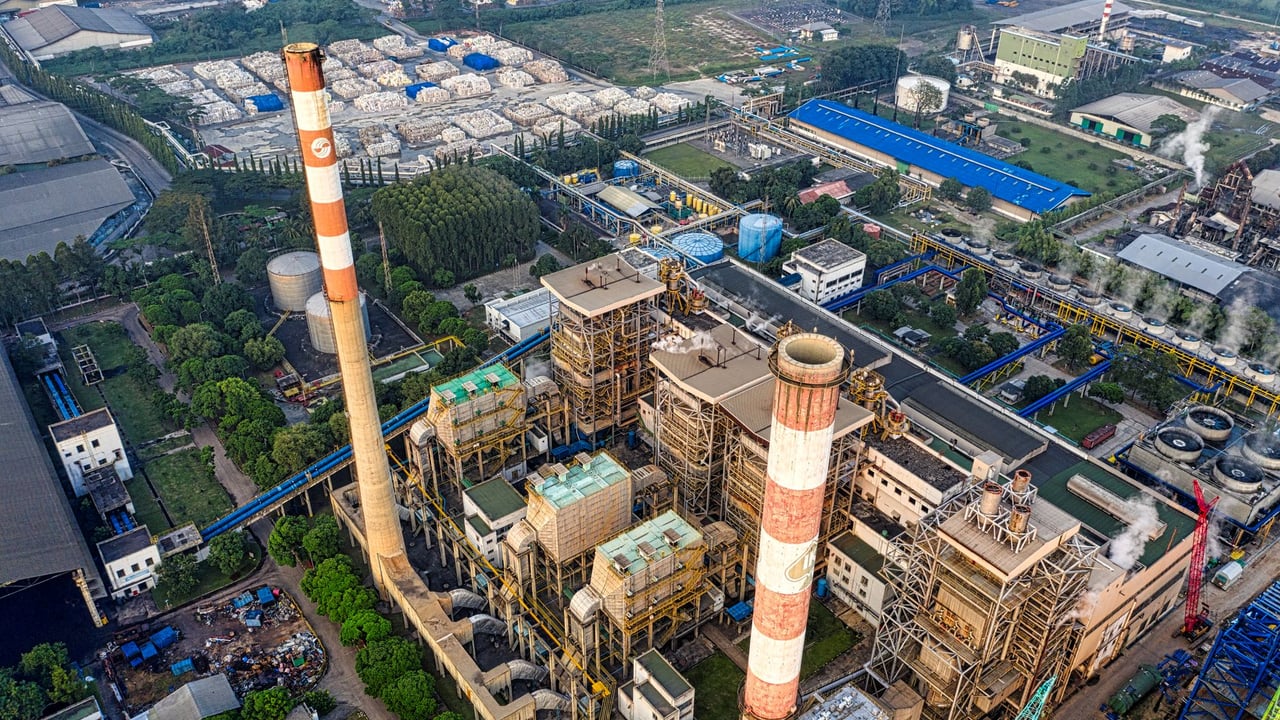
Photo by Tom Fisk on Pexels
The Brief
High-tech and digital product manufacturing accounted for approximately 50 percent of the growth in China's value-added industrial output from January through July, according to state media reports published by the central government. This represented an increase of about three percentage points compared with the first half of the year. The acceleration was supported by artificial intelligence supply chains, integrated circuits, and aerospace manufacturing. Outbound shipments also mirrored this shift, with automotive and electronics export delivery values registering robust expansions in July.
Why it matters
The figures indicate that advanced manufacturing and digital hardware are becoming the primary engines of China's industrial expansion, offsetting sluggishness in older industrial sectors. Strong export delivery numbers in automotive and electronics demonstrate that international demand for China's higher-value goods remains an important counterweight to domestic structural adjustments.
China context
Faced with persistent headwinds in traditional growth engines such as property, Chinese policymakers have focused state resources on fostering 'new productive forces.' Sub-national hubs are beginning to see production yields from multi-year industrial capital investments, particularly in semiconductor fabrication and specialized transport manufacturing.
Editor's View
EDITOR'S VIEW — Analysis and inference, not factual reporting.
The headline figure showing that high-tech sectors contributed half of all industrial output growth through July confirms that industrial upgrading is materially shaping national output. However, the heavy reliance on export delivery value—especially in the automotive segment—highlights exposure to external market conditions and potential foreign trade measures. Long-term sustainability will require domestic downstream demand to absorb expanding capacity alongside foreign sales.
What to watch
- Whether the roughly 50 percent contribution rate of high-tech manufacturing is sustained through the second half of the year.
- Export delivery value durability in the automotive and electronics sectors amid shifting overseas trade policies.
- Project completion and commercial performance in regional strategic manufacturing clusters such as Anhui.
Key Takeaways
- 1High-tech and digital manufacturing contributed roughly 50 percent of China's industrial value-added growth from January through July, up about three percentage points from the first half.
- 2AI adoption fueled rapid production growth for critical components such as sensors, memory chips, and optical fibers.
- 3Industrial export delivery values sustained double-digit growth in July, led by 41.2 percent growth in automotive and 8.4 percent in electronics.
- 4Automotive and electronics sectors together accounted for over 56 percent of the expansion in industrial export delivery value in July.
- 5In Anhui province, integrated circuit manufacturing output rose more than threefold year-on-year.
Emerging manufacturing sectors and digital product industries accounted for approximately 50 percent of China's above-scale value-added industrial output growth during the first seven months of the year, according to data published by official state media. The figure reflects an increase of roughly three percentage points compared with the contribution rate recorded in the first half of the year.
The expansion has been heavily supported by rapid development in advanced manufacturing segments. Rising demand related to artificial intelligence applications helped accelerate the domestic production of sensors, memory chips, and optical fibers. Concurrently, sectors including integrated circuit manufacturing, aircraft production, and intelligent equipment fabrication recorded noticeable accelerations in output.
Regional industrial clusters contributed to this growth trajectory. In Anhui province, the local integrated circuit sector expanded by more than threefold year-on-year over the first seven months, reflecting the ramp-up of multiple project pipelines established over previous years.
Advanced manufacturing also bolstered outbound industrial shipments. Official figures indicate that China's total industrial export delivery value sustained double-digit growth in July. Sectoral gains were led by the automotive and electronics segments, which saw export delivery values increase by 41.2 percent and 8.4 percent, respectively.
Together, automotive and electronics manufacturing constituted the bulk of export expansion during the month. Automotive output accounted for 25.8 percent of the total increase in export delivery value among above-scale industrial enterprises in July, while electronics contributed 30.7 percent, representing a combined contribution exceeding 56 percent of the overall gain.
Sources
- 我国工业经济新动能贡献持续增强 — State Council of China · 8/21/2026