
Technology & AIAnalysis
China-Led Solid-State Battery Standard Project Approved by IEC
The International Electrotechnical Commission approves a proposal establishing global testing benchmarks for electric vehicle solid-state batteries.
Share
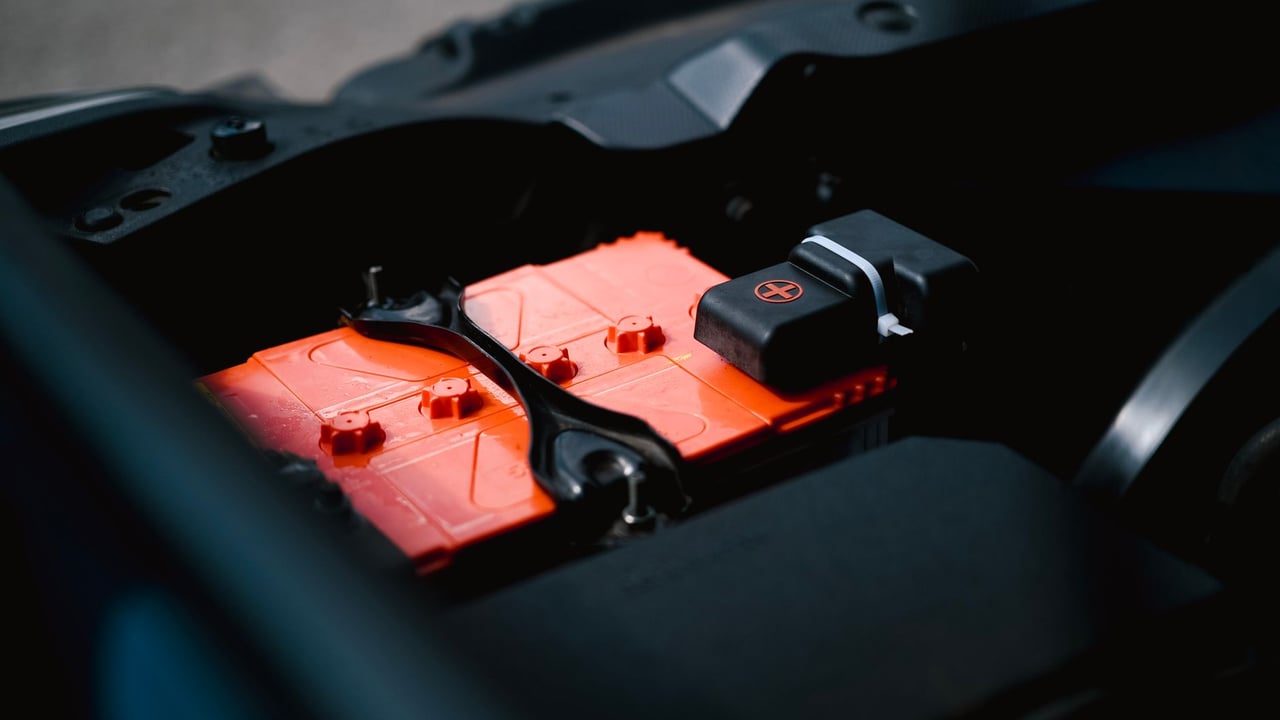
Photo by Ayyeee Ayyeee on Pexels
The Brief
The International Electrotechnical Commission (IEC) has formally initiated a project to establish the first international standard for electric vehicle solid-state batteries, according to China's State Administration for Market Regulation. Proposed by China with participation from technical experts in France, South Korea, and Japan, the standard outlines application guidelines, test items, and operating conditions. The initiative aims to provide unified testing benchmarks across the global automotive supply chain as manufacturers develop next-generation battery technology.
Why it matters
Solid-state batteries are viewed across the automotive sector as a critical next-generation technology offering higher energy density and improved safety over traditional liquid-electrolyte batteries. However, commercialization and international integration have faced hurdles due to the absence of standardized testing benchmarks. An internationally recognized standard approved through the IEC creates a common baseline for safety and performance evaluations, which can facilitate cross-border component integration, testing mutual recognition, and commercial deployment.
China context
China already maintains an extensive manufacturing base and supply chain in conventional liquid-electrolyte lithium-ion batteries. By leading the IEC proposal alongside participants from established automotive and battery manufacturing hubs including Japan, South Korea, and France, Beijing is seeking to shape technical specifications for next-generation battery architectures early, reinforcing its role in international standard-setting bodies.
Editor's View
EDITOR'S VIEW — Analysis and inference, not factual reporting.
While project approval at the IEC marks an important procedural step toward standardized testing, formulating and ratifying a full international standard typically involves prolonged technical negotiations among national committees. Automakers and battery producers worldwide are pursuing diverse chemical systems and structural designs, ranging from semi-solid to all-solid-state approaches. The principal challenge will be whether the finalized IEC guidelines can accommodate different technical pathways without favoring specific national industrial configurations.
What to watch
- Timeline for the IEC working group to publish the initial draft of the test conditions and guidelines.
- Participation and consensus-building among competing battery manufacturers and automakers from Japan, South Korea, and Europe.
- How closely the proposed metrics align with emerging commercial mass-production targets for solid-state batteries.
Key Takeaways
- 1The IEC approved a project to establish the first international standard for electric vehicle solid-state batteries.
- 2The proposal was led by China and developed with participation from experts in France, South Korea, and Japan.
- 3The standard focuses on application guidelines, test items, and operational conditions for solid-state cells.
- 4The initiative aims to create a unified global benchmark for R&D and production as automakers move toward next-generation battery architectures.
The International Electrotechnical Commission (IEC) has formally approved a project to establish the world’s first international standard for solid-state batteries used in electric vehicles, according to a report by People's Daily citing China's State Administration for Market Regulation (SAMR).
The proposal, titled "Secondary lithium-ion cells for the propulsion of electric road vehicles – Application guidelines, test items and conditions for solid-state cells," was initiated by China. Experts from several countries with major automotive and battery sectors, including France, South Korea, and Japan, participated in the project's development and submission.
Solid-state batteries are widely regarded across the electric vehicle sector as a key evolutionary path beyond conventional cells that utilize liquid electrolytes. By employing solid electrolytes, the cells are designed to achieve higher energy densities, longer driving ranges, and significantly reduced thermal runaway risks, leading to improved operational safety and stability.
According to the regulatory announcement, the forthcoming standard is intended to establish clear technical definitions and standardized test procedures for solid-state battery cells. Automotive manufacturers and battery producers currently operate under fragmented internal methodologies or varying regional testing frameworks. Establishing an internationally recognized benchmark under the IEC is intended to provide a unified reference point for research, development, and mass manufacturing across the global supply chain.
Chinese regulatory authorities emphasized that the initiative draws on domestic research and development in solid-state battery technology. Officials stated that establishing the standard will support international technology exchange and contribute to broader industrial upgrades across the global clean-energy transition.
The project's approval at the IEC represents the initiation phase of the standard-setting process. Moving from an approved project proposal to a published international standard will require drafting, technical reviews, and formal voting rounds among IEC member national committees before final adoption.
Sources
- 固态电池领域全球首个国际标准立项 --经济·科技--人民网 — People's Daily · 8/22/2026