
Defense & StrategyAnalysis
PLA 72nd Group Army Brigade Adopts Closed-Loop Support System
A brigade introduces life-cycle tracking to resolve grassroots logistics bottlenecks and eliminate administrative oversights.
Share
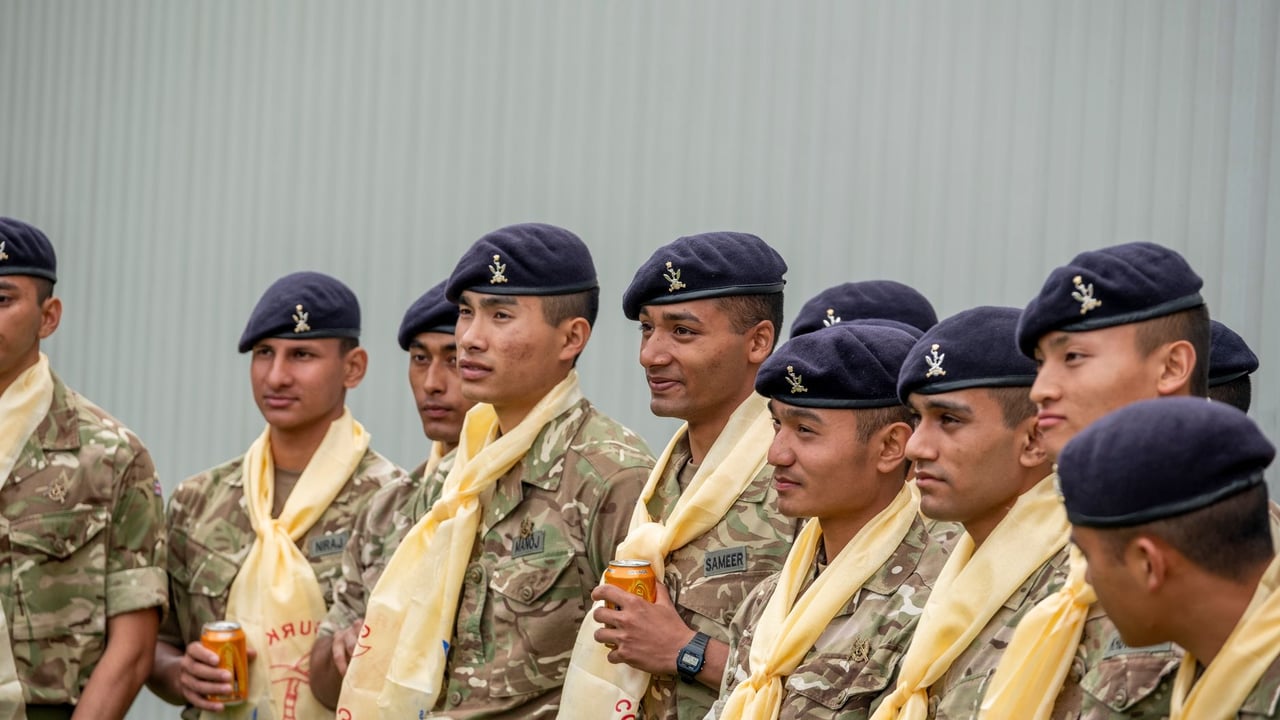
Photo by Mick Latter on Pexels
The Brief
A brigade under the People's Liberation Army 72nd Group Army has instituted a five-step closed-loop management process to ensure administrative support initiatives are maintained over the long term, according to reports in the PLA Daily and People's Daily. Prompted by recurring breakdowns in basic company equipment like drinking water dispensers, brigade headquarters overhauled its approach from merely completing procurement tasks to tracking full life-cycle effectiveness. The mechanism links demand screening, on-site assessment, preventive planning, time-bound execution, and follow-up reviews across logistics, cultural equipment, and personnel benefits.
Why it matters
Support initiatives across military units frequently suffer from post-procurement neglect, where headquarters deliver equipment but fail to manage recurring maintenance. By establishing an institutionalized closed-loop mechanism, this brigade aims to eliminate bureaucratic indifference and ensure military investments genuinely sustain troop welfare and day-to-day operational readiness.
China context
Under broader People's Liberation Army reforms emphasizing the strengthening of primary-level units, central military authorities have pushed staff organs to overhaul formalistic work styles. Headquarters are increasingly evaluated not on superficial output checklists, but on tangible, lasting improvements to grassroots service members' living and training conditions.
Editor's View
EDITOR'S VIEW — Analysis and inference, not factual reporting.
The brigade's shift from task checkoffs to lifecycle maintenance illustrates the persistent friction between administrative headquarters and frontline service members in the Chinese military. By spotlighting small-scale domestic issues like water dispensers, electrical box capacity, and welfare paperwork, official media signal that modern military capability hinges as much on mundane logistical governance as on advanced hardware.
What to watch
- Whether the brigade's five-step closed-loop framework is standardized across other units in the 72nd Group Army.
- Subsequent military press commentary evaluating whether administrative reforms successfully curb bureaucratic formalism at the regiment and brigade levels.
Key Takeaways
- 1A 72nd Group Army brigade established a five-stage closed-loop mechanism to track administrative support through full operational life cycles.
- 2The initiative followed reports of broken water dispensers and sluggish maintenance workflows across company barracks.
- 3Headquarters expanded the model to electrical upgrades for air conditioning, audio-visual gear upkeep, and simplified benefits processing.
- 4Military leadership stressed shifting metrics away from task-completion checklists toward eliminating unresolved administrative issues.
A brigade under the People's Liberation Army 72nd Group Army has overhauled its administrative support framework by instituting a closed-loop system to track outcomes after delivering welfare initiatives, according to reports published by the PLA Daily and People's Daily.
The reform originated from mundane logistics bottlenecks at the primary level. Brigade headquarters had previously procured and installed direct-drinking water dispensers across subordinate companies to ensure ready access to hot water. Over time, however, increased usage led to widespread malfunctions in heating elements and water spouts. Units faced lengthy procurement and maintenance cycles when reporting issues up the chain of command, prompting some service members to buy spare parts out of pocket with unsatisfactory results.
The issue surfaced when the head of the brigade's propaganda section observed disabled equipment while embedded with frontline squads. The brigade quartermaster and barracks section dispatched repair teams the same day, cataloged broken parts, contracted technicians, and established regular maintenance patrols across the entire formation to restore service.
Brigade leaders acknowledged that the episode highlighted a systemic administrative shortfall: staff organs historically prioritized checking off completed tasks while failing to track subsequent operational effectiveness. In response, the brigade party committee instituted a five-phase working mechanism encompassing demand assessment, on-site verification, risk anticipation, resolution within fixed timeframes, and outcome feedback.
The new protocol has been expanded to other service areas. Ahead of installing new barracks air conditioners, the quartermaster section coordinated with utility managers to preemptively upgrade electrical distribution boxes, preventing circuit overloads. Similarly, the propaganda section arranged manufacturer service agreements for newly issued audiovisual equipment, while the human resources section published simplified guidance cards to help soldiers complete welfare and benefit applications without procedural delays. Brigade leadership emphasized that support initiatives are now evaluated by their lasting functionality rather than the sheer volume of completed administrative items.
Sources
- 第72集团军某旅党委机关加强跟踪问效形成工作闭环——事前想周全 事后管到底 — China Military Online · 9/9/2026
- 事前想周全 事后管到底--军事--人民网 — People's Daily · 9/9/2026