
Defense & StrategyAnalysis
PLA Air Force Integrates Live Aircraft and Networked Simulators in Combat Drills
A frontline aviation unit deployed virtual aircraft operated from remote simulators to conduct day-and-night tactical dogfights against live fighters.
Share
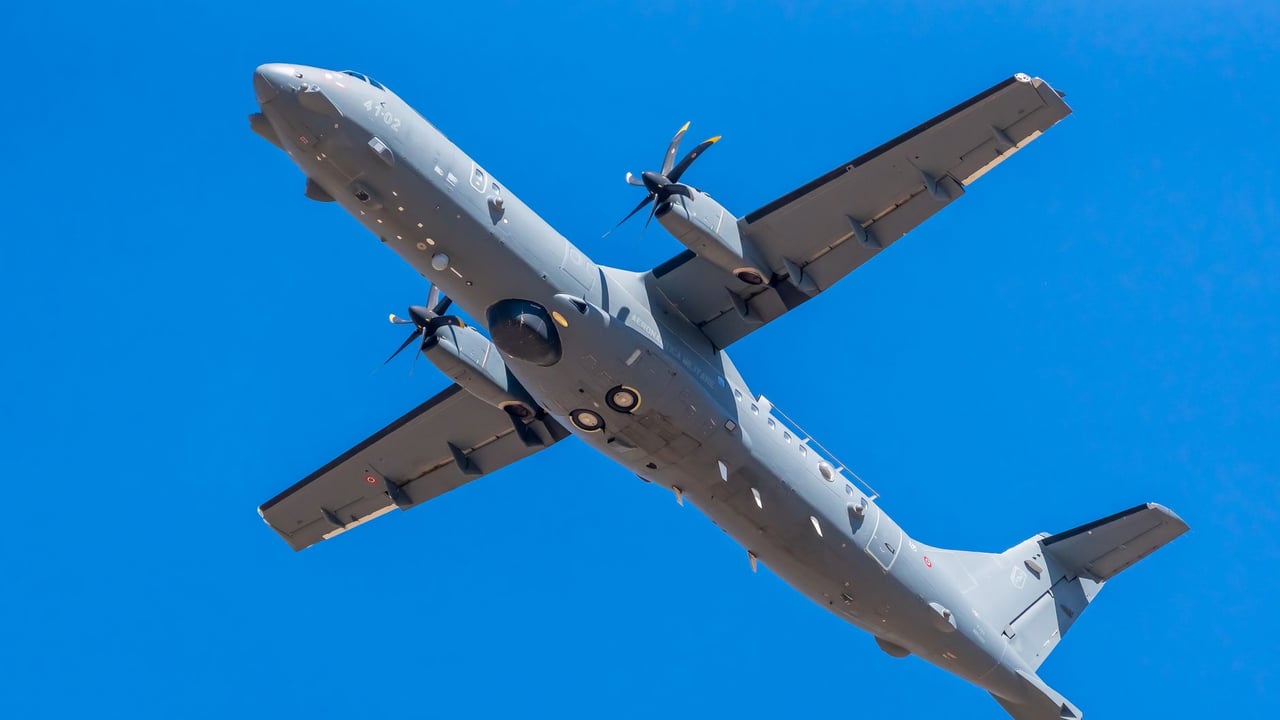
Photo by Rafael Minguet Delgado on Pexels
The Brief
A People's Liberation Army Air Force aviation unit recently conducted day-and-night aerial combat exercises combining live aircraft with ground-based simulator systems. According to state military media reports, the confrontation pitted four real fighter aircraft against four simulated 'digital fighters,' two of which were controlled remotely by pilots from partner units. The exercise reflects the Chinese military's ongoing efforts to leverage networked digital simulation to expand tactical training, lower operating costs, and capture granular telemetry for post-mission debriefing.
Why it matters
Integrating live aircraft with remote simulator networks allows air forces to scale tactical complexity, test high-risk edge flight regimes, and practice contested intercepts without the logistical strain, airspace limitations, and airframe wear of large-scale live-fly exercises.
China context
The drill aligns with the PLA's broader modernization push toward 'digital and intelligent' (数智化) training methodologies. As China seeks to accelerate pilot training pipelines and foster joint combat awareness across geographically dispersed units, cross-regional simulation networks offer a cost-effective way to refine operational doctrines before live execution.
Editor's View
EDITOR'S VIEW — Analysis and inference, not factual reporting.
While live-virtual-constructive (LVC) training is already a staple in leading Western air forces, these reports highlight the PLA's deliberate integration of remote cross-base networking and data-driven mission debriefing into routine squadron training. By having external units pilot virtual aggressor aircraft, the PLA Air Force aims to expose its pilots to unfamiliar tactics and high-stress threat environments while systematically accumulating training data for doctrinal innovation.
What to watch
- Expansion of live-virtual networking to include multi-type aircraft combinations, early warning platforms, and air defense systems.
- Further integration of automated after-action data analytics into PLA tactical evaluation and doctrine development.
Key Takeaways
- 1A PLAAF aviation unit conducted day-and-night combat drills pitting four live fighter jets against four ground-simulated 'digital fighters.'
- 2Two of the virtual aircraft were operated remotely by pilots from external units via networked ground flight simulators.
- 3Data packets exported from the simulation pods were directly utilized for post-flight mission reconstruction and tactical debriefs.
- 4Unit commanders stated that the combination of virtual adversaries and live flight aims to reduce equipment wear while accelerating tactical innovation.
A People's Liberation Army Air Force (PLAAF) aviation unit has conducted day-and-night aerial combat exercises integrating airborne fighters with networked ground-based simulators, according to official reports published by the PLA Daily and People's Daily.
The exercise featured a confrontation between a 'Red' team flying actual aircraft at high altitudes and a 'Blue' team operating four 'digital fighters' generated inside ground simulator cockpits. To enhance operational realism and inter-unit coordination, two of the simulated adversary aircraft were operated remotely by pilots located at partner units hundreds of kilometers away.
According to unit leadership cited in state media, combining live flight with simulated adversaries improves training cost-effectiveness, reduces airframe wear, and lowers safety risks while allowing pilots to hone situational awareness in complex tactical scenarios. During the drill, participating pilots engaged in dynamic maneuvering, with the Red force successfully scoring a simulated hit on a virtual adversary to break a tactical stalemate.
The ground simulators generated visual and tactile cues, including extreme attitude changes and simulated missile-approach warnings, enabling newer pilots to practice emergency procedures and explore aircraft performance limits under combat-like stress. Ground technicians subsequently exported detailed telemetry data packets from the simulator bays back to the flight squadron to support quantitative after-action reviews.
PLAAF unit commanders stated that expanding cross-regional simulator networking has facilitated the development of new tactical concepts, several of which have subsequently been validated in live-fire exercises. The unit plans to further expand multi-type aircraft networking across wider operational domains.
Sources
- 空中对抗,飞来“数字战机”--军事--人民网 — People's Daily · 8/18/2026
- 模拟飞行训练有了实装飞行体验!空军航空兵某部运用数智手段提升训练效益 — China Military Online · 8/18/2026