
Defense & StrategyAnalysis
PLA Navy Submarine Flotilla Pushes Complex Deep-Sea Combat Drills
An Eastern Theater Command Navy unit targets training formalism and risk aversion among commanders to advance realistic tactical development.
Share
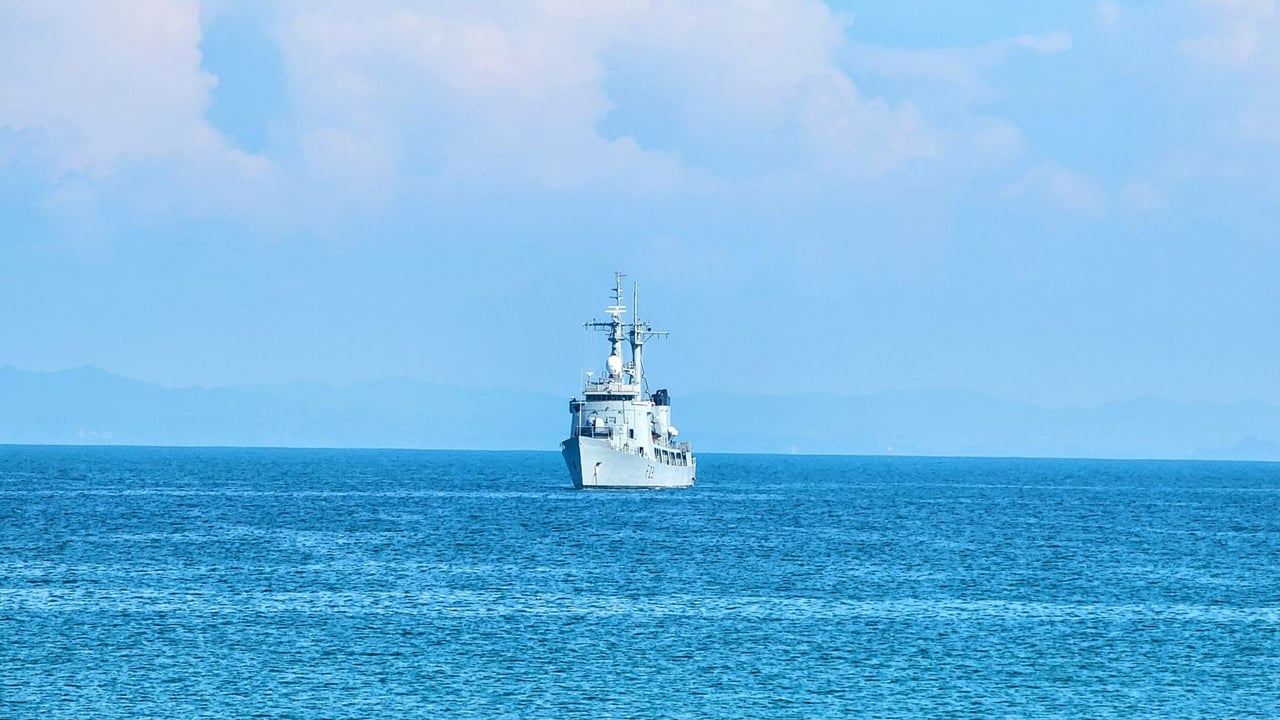
Photo by Ariful Islam on Pexels
The Brief
A submarine detachment under the Chinese People's Liberation Army Eastern Theater Command has pushed forward realistic tactical training in complex ocean environments after addressing risk aversion among officers, according to official military media. The unit's party committee rectified tendencies where cadres prioritized routine drills over difficult research topics out of fear of failure or accountability. Party leaders were ordered to lead frontline tactical studies aboard vessels, resulting in recent breakthrough exercises in contested waters and complex acoustic conditions.
Why it matters
The report highlights ongoing efforts across the PLA Navy to eliminate peacetime formalism and the avoidance of high-risk training scenarios, reflecting a broader military drive to test operational doctrine under demanding conditions.
China context
Under the PLA's political work and realistic combat training directives, state and military outlets frequently publicize case studies of units correcting 'paper-only implementation' and training avoidance to reinforce accountability and alignment with combat readiness mandates.
Editor's View
EDITOR'S VIEW — Analysis and inference, not factual reporting.
Official accounts highlighting internal criticism of officer risk aversion illustrate the persistent institutional friction between safety maintenance and combat realism in the PLA. By documenting specific command interventions to force officers into complex tactical experimentation—such as navigating tight maritime chokepoints and acoustically hostile environments—the report signals that the Eastern Theater Command continues to prioritize submarine combat viability over administrative risk management.
What to watch
- Subsequent reports detailing Eastern Theater Command submarine maneuvers in unfamiliar and contested maritime zones
- Further PLA-wide political and organizational campaigns addressing training style and tactical research accountability
Key Takeaways
- 1An Eastern Theater Command Navy submarine detachment conducted deep-sea confrontation drills to test new tactical maneuvers.
- 2Internal reviews uncovered previous delays in tactical development caused by cadre risk aversion and reluctance to engage in high-risk training scenarios.
- 3Party committee leaders embedded with submarine crews during sea trials to oversee tactical research directly.
- 4Subsequent training validated submarine evasion and strike capabilities in acoustically complex and confined waters.
A submarine detachment operating under the People's Liberation Army Eastern Theater Command recently completed deep-sea confrontation exercises that tested tactical breakthroughs against multi-layered opposing barriers, according to reports published in the PLA Daily and People's Daily.
During the drills, a submarine crew executed maneuvers in a contested maritime environment to bypass simulated blockades and execute mock strikes. Following the exercise, the unit conducted step-by-step reviews against an operational research plan designed to systematically assess combat effectiveness.
Unit leadership noted that the structured research roadmap had previously encountered implementation obstacles. An internal review by the detachment's party committee revealed uneven progress across subordinate units, with several initiatives stalled at the planning stage. Inquiries identified risk aversion among some cadre members who preferred routine basic training over complex tactical problems due to concerns over failure, operational errors, and administrative accountability.
In response, the detachment leadership addressed organizational shortcomings and warned against superficial reporting, paper-based compliance, and avoiding rigorous training due to potential risks. Party committee members were directed to personally take charge of difficult tactical subjects, joining submarine crews at sea to evaluate operational solutions alongside frontline personnel.
The push led to updated tactical procedures across multiple elements of the detachment. In subsequent operations within a confined sea area, a submarine commander utilized the region's complex acoustic environment to conceal the vessel before penetrating opposing defensive lines and establishing an attack position. Parallel efforts also targeted night-time torpedo and mine handling efficiencies to strengthen operational support capabilities.
Sources
- 向难攻坚研战法 带头冲锋谋打赢--军事--人民网 — People's Daily · 8/19/2026
- 海军某支队:向难攻坚研战法 带头冲锋谋打赢 — China Military Online · 8/19/2026